 |
Columbus & Greenville Railway Columbus, Mississippi |
 Located along the Tombigbee River, just miles from the Alabama state line, the town of Columbus, Mississippi has known active rail service since the early 1880s. The seat of Lowndes County, Columbus is home to playwright Tennessee Williams, Columbus Air Force Base, the world's largest manufacturer of toilet seats, and the venerable Columbus & Greenville Railway. In point of fact, the true origin of the C&G should be traced to the other side of the state — in Greenville, along the mighty Mississippi — where a narrow-gauge operation proposed to build eastward from the Delta toward the hills. That little line's right of way would become the Delta Route's oldest segment.
But it would be Columbus in the east that would develop as the railroad's more active terminus, providing the shortline with shops, company offices, and the most mainline interchange points along its entire mainline. But long before an independent C&G was even an idea in the minds of local businessmen, the town of Columbus was a key waypoint in the plans of the Georgia Pacific Railway Company to link Atlanta and Alabama coalfields with points beyond the Mississippi River — a mainline finally completed through Columbus and on to the Delta region by 1890. The Georgia Pacific was quickly absorbed into the growing Richmond & Danville company, itself a key component in what would become the sprawling Southern Railway system.
By 1894, rails into Columbus from the east were those of the mighty Southern Railway, but rails westward out of Columbus were the Southern Railway Company in Mississippi — parent to what would become the Columbus & Greenville. By the turn of the century, aided by the Frisco and the Mobile & Ohio, Columbus had tracks coming and going in almost every direction of the compass.
INSPECTION PHOTOS
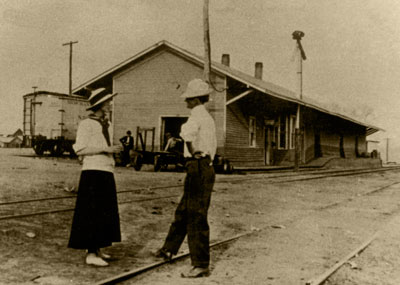
In the spring of 1917, agents of the Interstate Commerce Commission travelled the Southern Railway in Mississippi (precursor to the C&G) from end to end. Going town to town on nothing more than a small 2-axle gasoline motorcar, the agents took pictures of almost every structure along the line. This Mississippi tour was part of a larger ICC effort of the time to evaluate the state of the nation's railroads. These inspection images are indicated below by the notation "1917 inspection," and we are grateful to be able to have in our C&G collection copies of these historic prints.
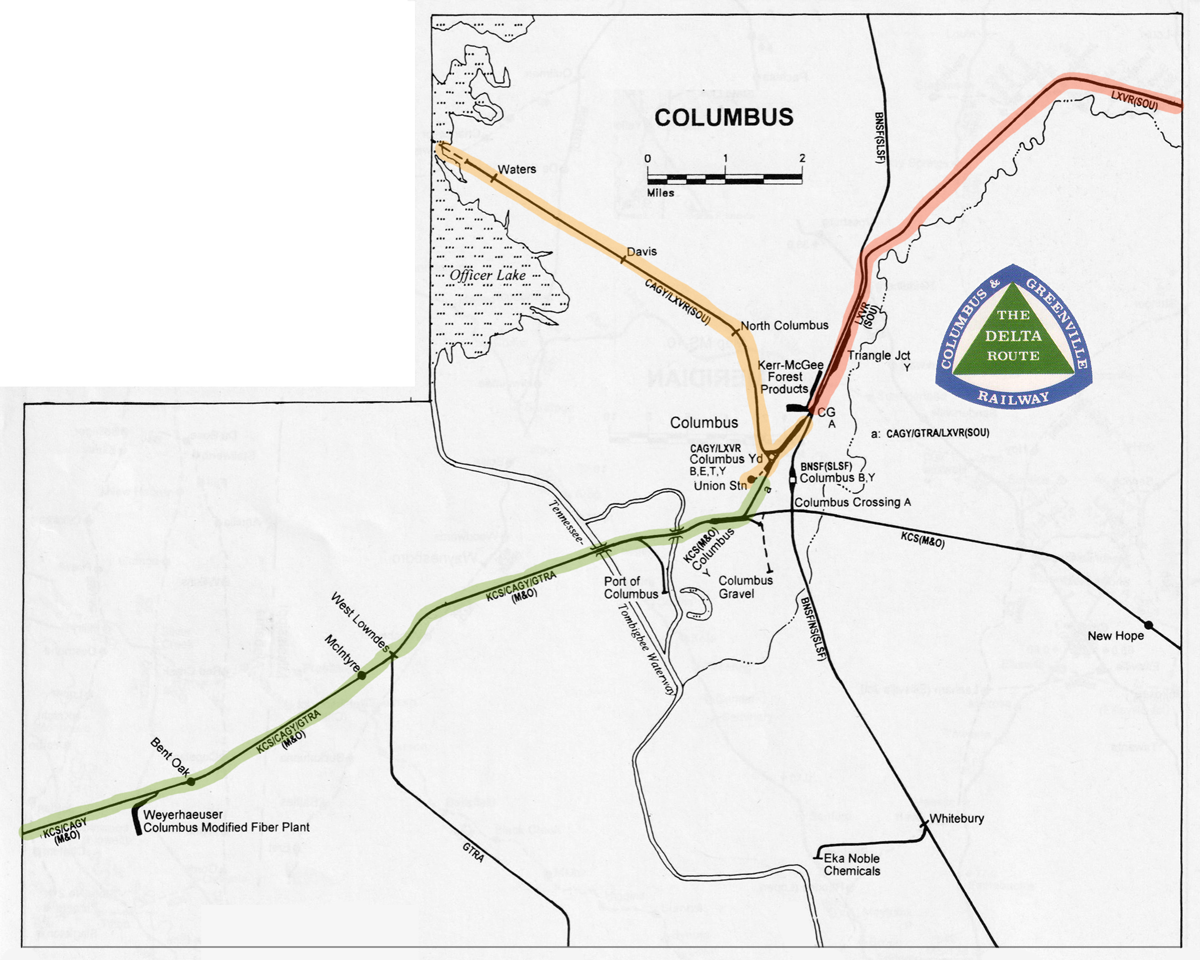
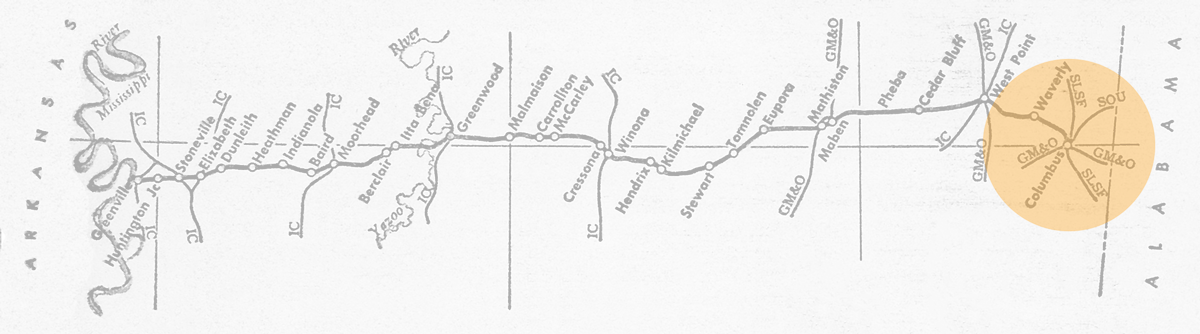
Columbus rail map / adapted from SPV's Comprehensive Railroad Atlas / collection
In the Columbus rail map above, the original Columbus & Greenville (1923) mainline running northwest out of Columbus is marked in orange. This was the original route to Greenville across the Tombigbee River developed by the Georgia Pacific and later the Southern Railway Company in Mississippi. This river crossing route was used by the C&G until 1983, when the bridge was removed for the Tennessee-Tombigbee River Project and thus the shortline diverted its cross-state traffic to the southwest over the former Mobile & Ohio mainline to Artesia — here marked in green. After the Illinois Central Gulf era, this line would become the Gulf & Mississippi, later MidSouth, and now Kansas City Southern. The former C&G mainline to the northwest now dead-ends in North Columbus and is only used to switch customers on that side of town.
The former Southern Railway mainline, connecting Columbus to Birmingham, Alabama, is here marked in red. The westernmost 30 miles of this line are operated by sister shortline Luxapalila Valley Railroad. This shortline was developed by CAGY Industries when the Norfolk Southern chose to remove this segment from its system. Like the C&G, the Luxapalila Valley 2008 was purchased by Genesee & Wyoming. Other routes shown above but unmarked include: the Burlington Northern Santa Fe (former Frisco) mainline running north and south; the Kansas City Southern (former Gulf, Mobile & Ohio) mainline running east to Tuscaloosa, Alabama; and the Golden Triangle shortline, accessing Columbus from the southwest via a connection at West Lowndes.
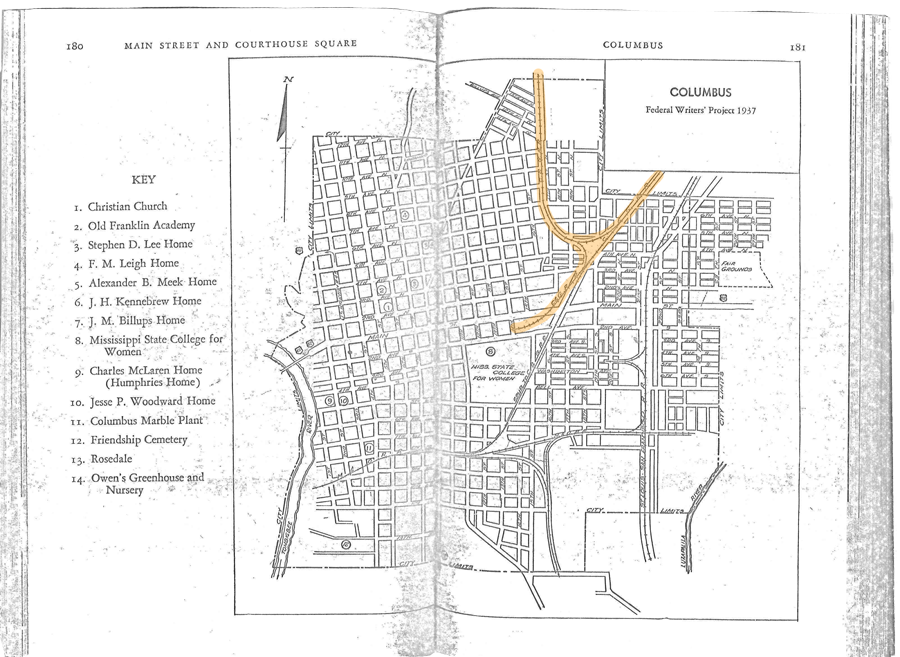
1937 downtown Columbus map with C&G lines marked / collection

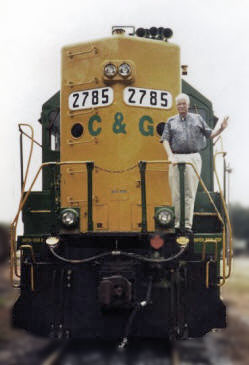 My first visit to the Columbus & Greenville was in 1957.
I took a few pictures of 4-6-0 #178 as it looked pretty good, even though the main rods were off.
The thing that always struck me about the C&G was that they never got rid of anything!
In 1957 there were five or six passenger cars in the Columbus yard, even though passenger service had been dropped in 1946.
My first visit to the Columbus & Greenville was in 1957.
I took a few pictures of 4-6-0 #178 as it looked pretty good, even though the main rods were off.
The thing that always struck me about the C&G was that they never got rid of anything!
In 1957 there were five or six passenger cars in the Columbus yard, even though passenger service had been dropped in 1946.
A peak inside the machine shop at Columbus revealed a fully-working 1900's-era shop, complete with flat belts, shafts, and pulleys. The last time I got to look into the shop was about 2000, and its was still intact! Guards had been installed over the pulles and belts to meet OSHA standards, but it was still the same 100-year old shop.
I enjoyed the experience of watching C&G's train #51 - the daily westbound frieght - as it left Columbus. Many days it had one of the new SD-28s on the front and one of the 50 or 60 year old wooden cabooses on the tail end. Quite a contrast! Sometimes a pair of the Baldwins would handle the train, but never a SD28 and a Baldwin as they would not MU together. Even though the two SD28s would MU together and they were occasionally used that way, I never got to see it in person.
Passenger Station
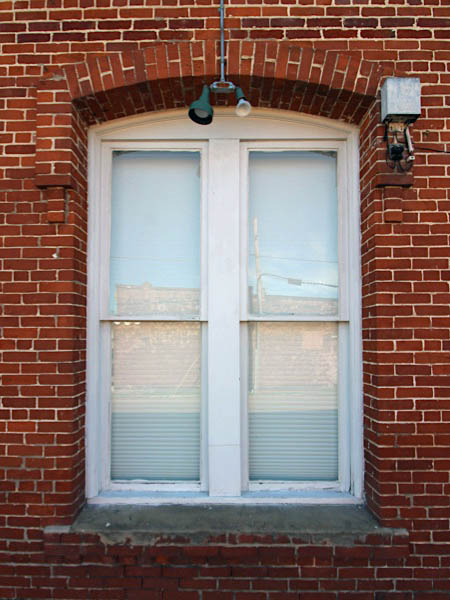
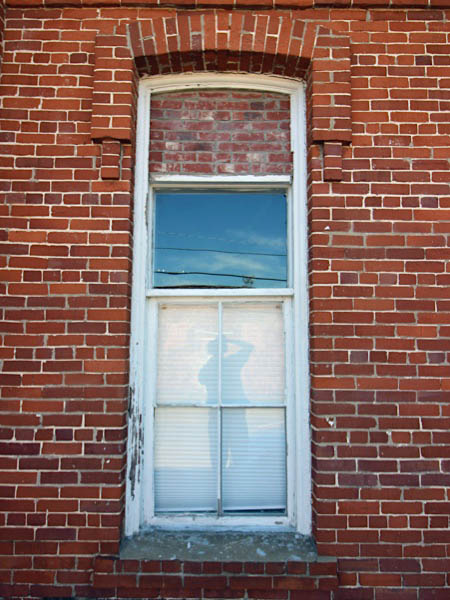
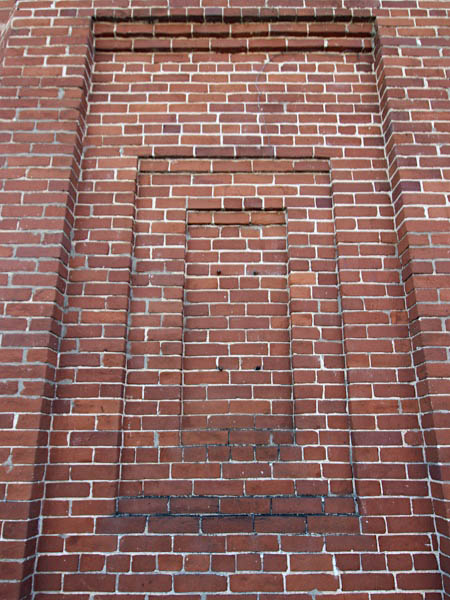
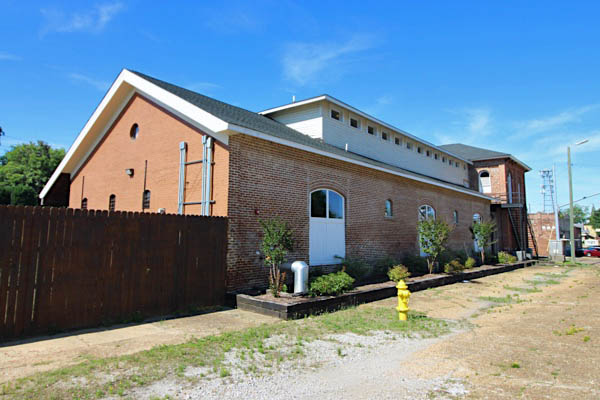
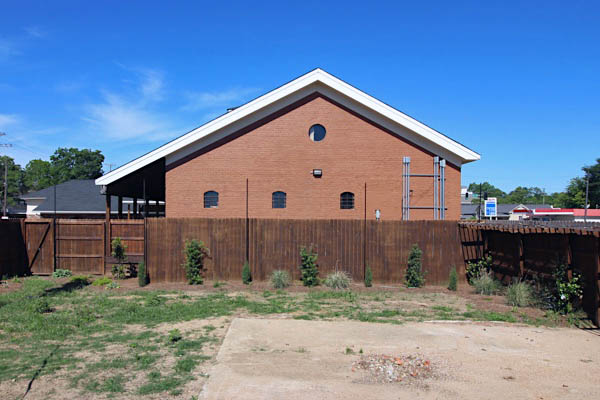
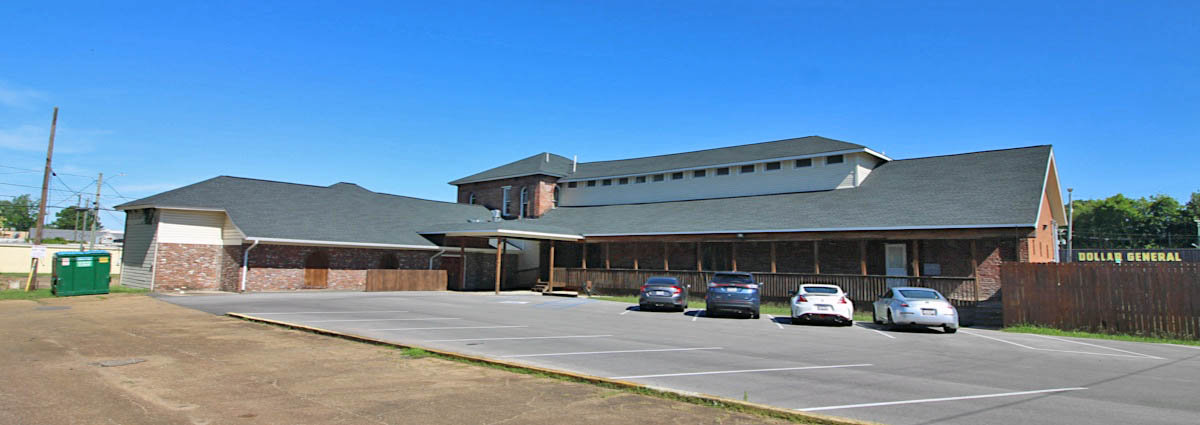
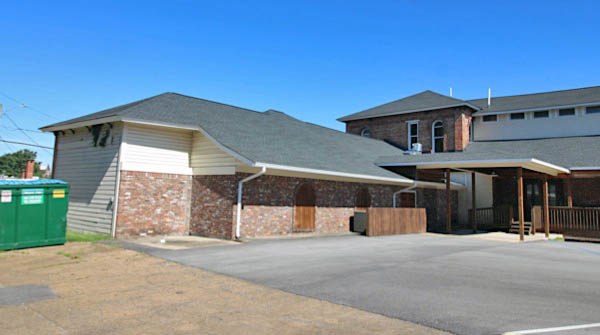
The Columbus passenger station was erected in 1886 by the Georgia Pacific Railroad, predecessor to the Southern Railway Company in Mississippi. After the Columbus & Greenville Railway became an independent railroad in 1923, the station was shared by the C&G and the Southern Railway. C&G trains operated westward to Greenville and points in between, and the daily Southern train operated eastward from Columbus to Birmingham, Alabama. The depot also served as the corporate offices of the C&G until a modern building was erected in 1978 near the roundhouse and shops. Although the service tracks are long gone, the building itself still stands today and is recognizable.

Click to see the former Columbus station area plotted on a Google Maps page
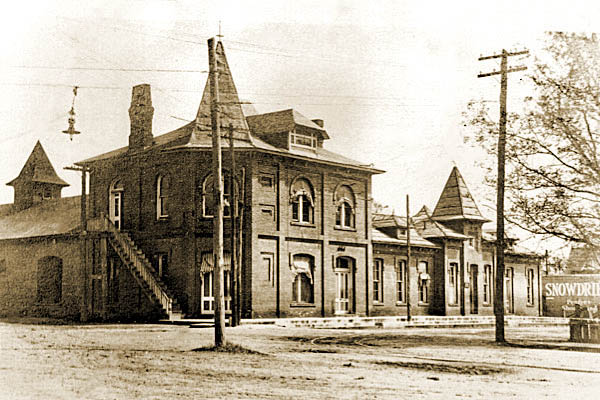
station front / 1917 inspection / collection
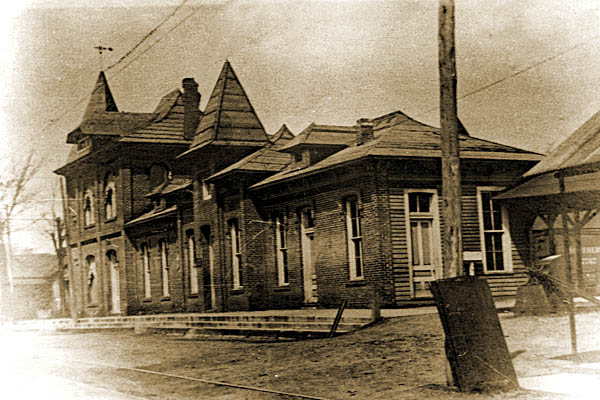
station side / 1917 inspection / collection
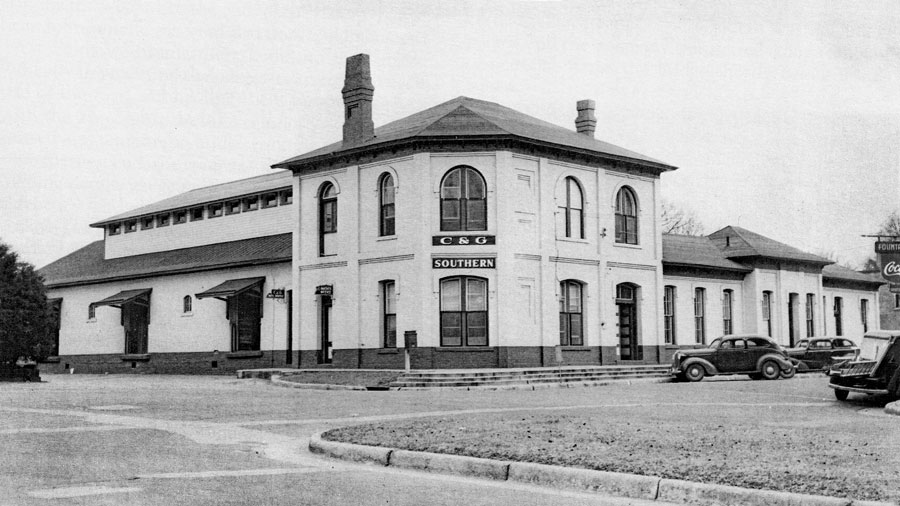
station front / 1944 / collection
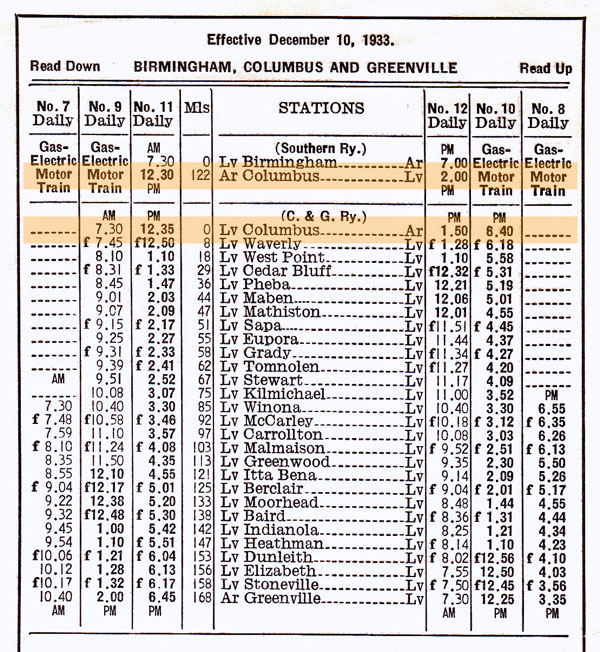
1933 timetable clipping / collection
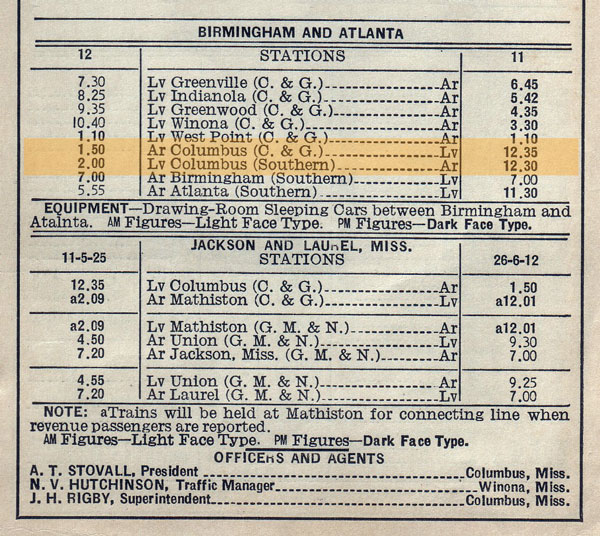
1934 timetable clipping / collection
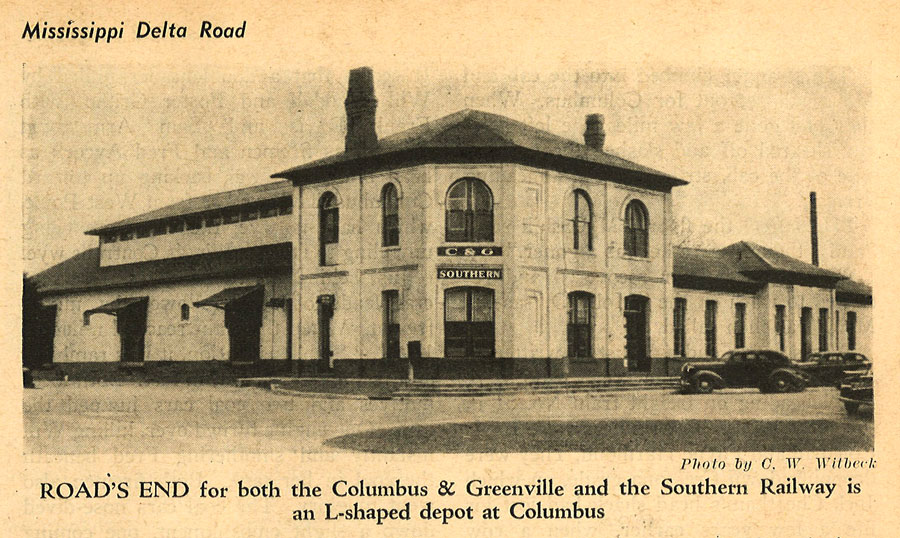
from Railroad Magazine
[Aug 1944] / collection
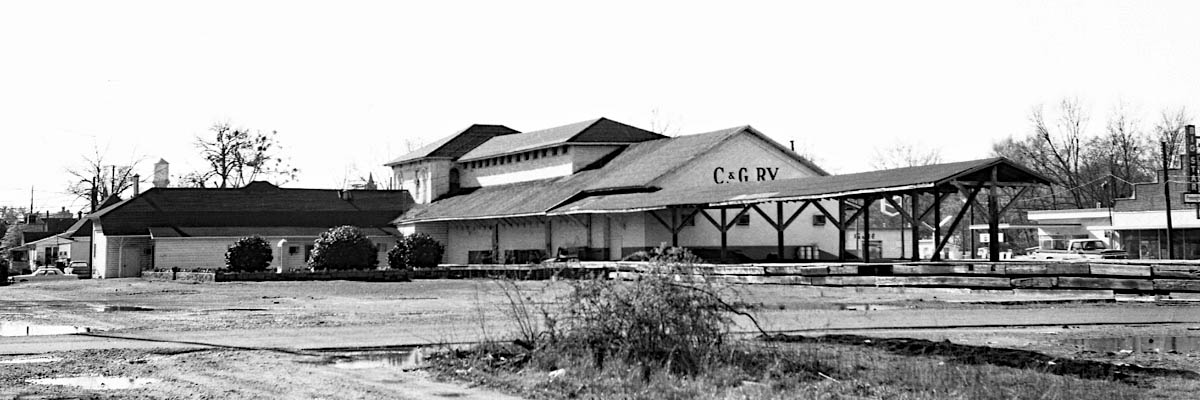
Columbus, Ms / 1973 / JCH
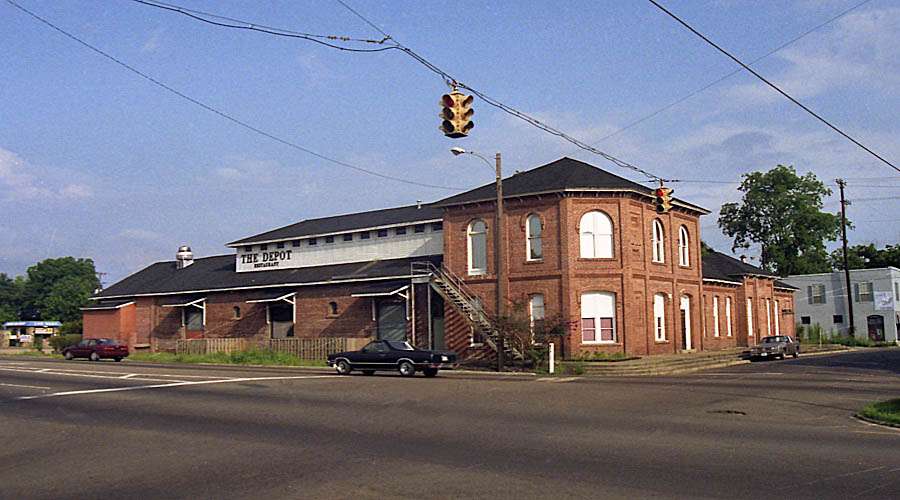
Columbus, Ms / Jul 1989 / JCH
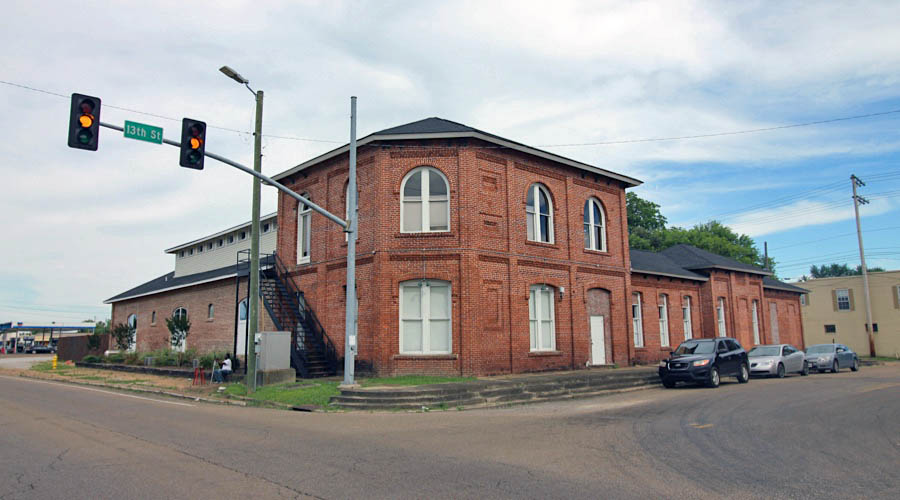
Columbus, Ms / Jun 2020 / RWH
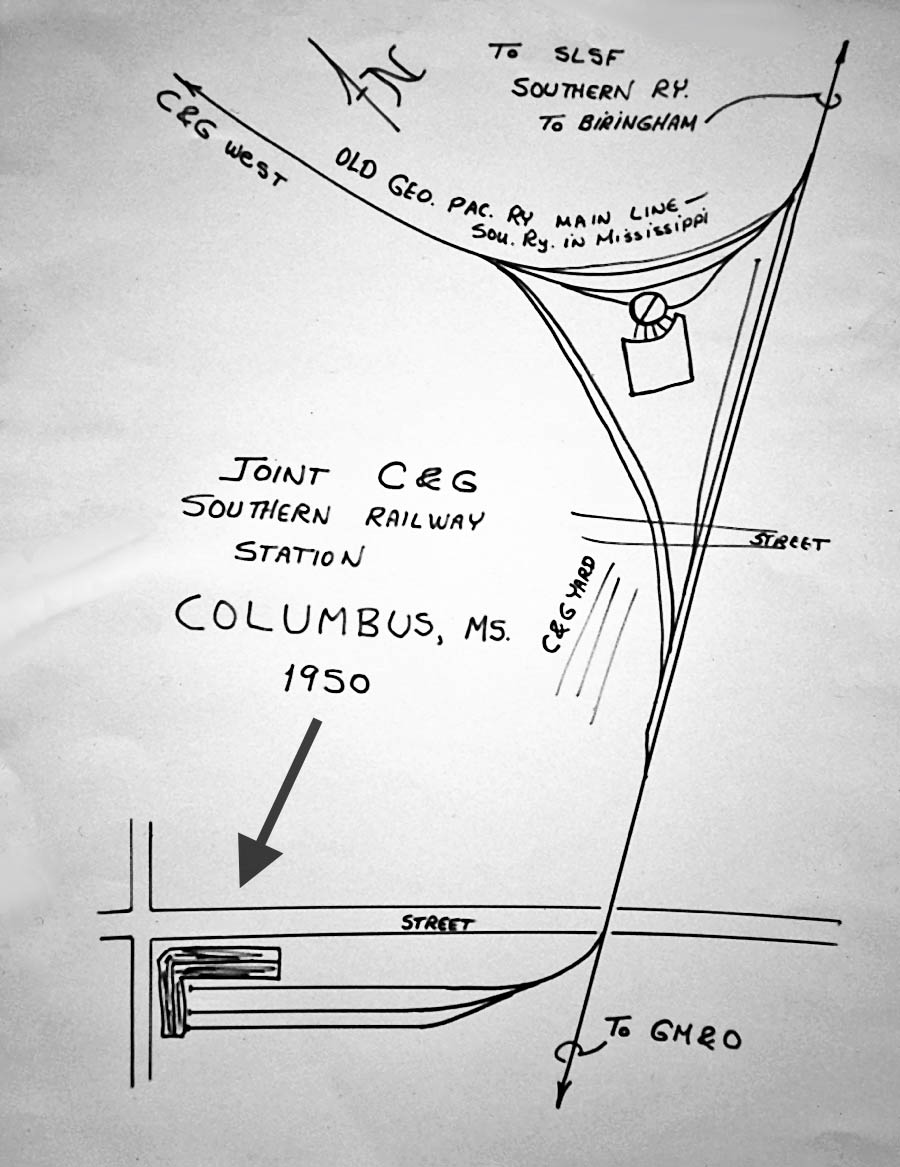
ap of station area circa 1950 / JCH
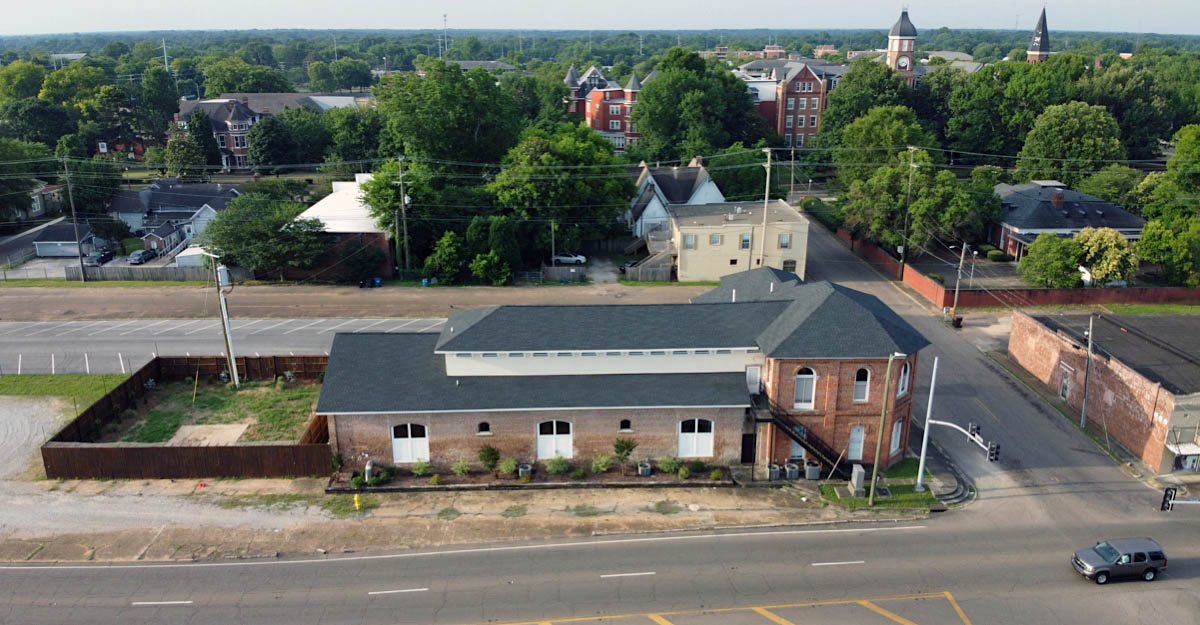
Columbus, Ms / Jun 2020 / RWH
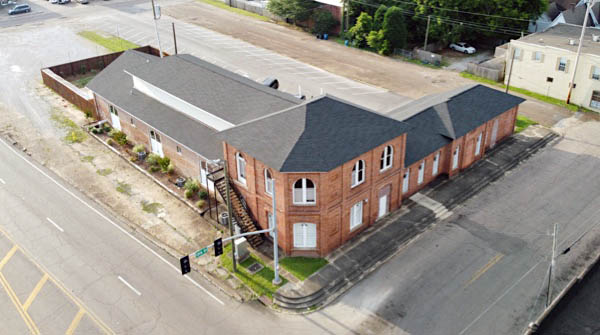
Columbus, Ms / Jun 2020 / RWH
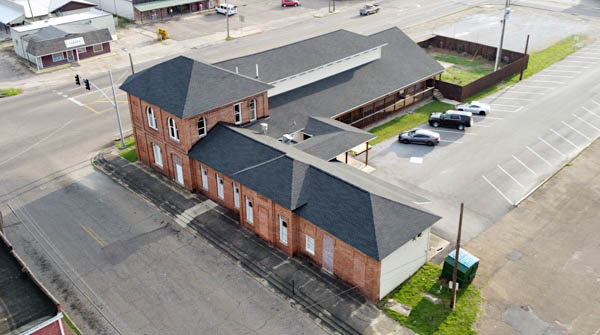
Columbus, Ms / Jun 2020 / RWH
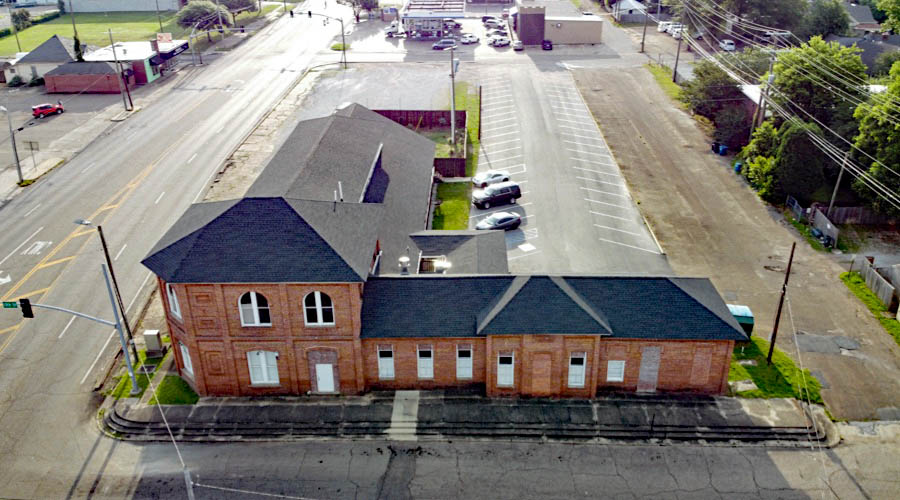
Columbus, Ms / Jun 2020 / RWH
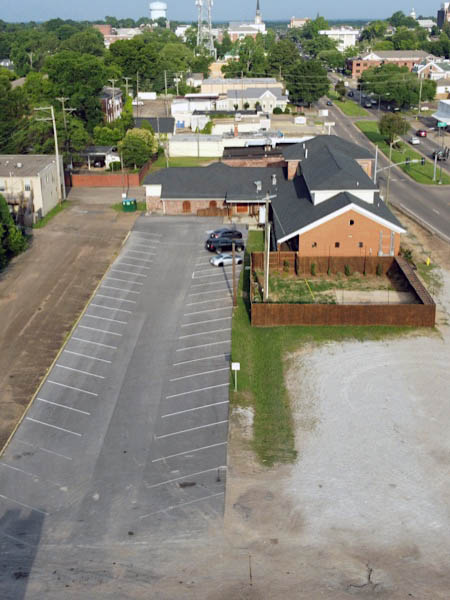
Columbus, Ms / Jun 2020 / RWH
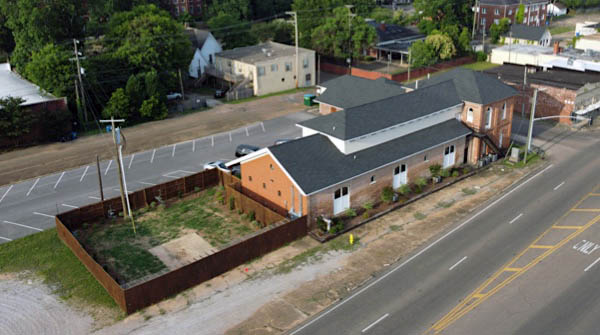
Columbus, Ms / Jun 2020 / RWH
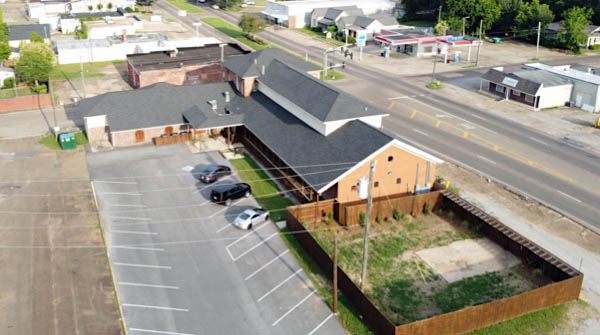
Columbus, Ms / Jun 2020 / RWH
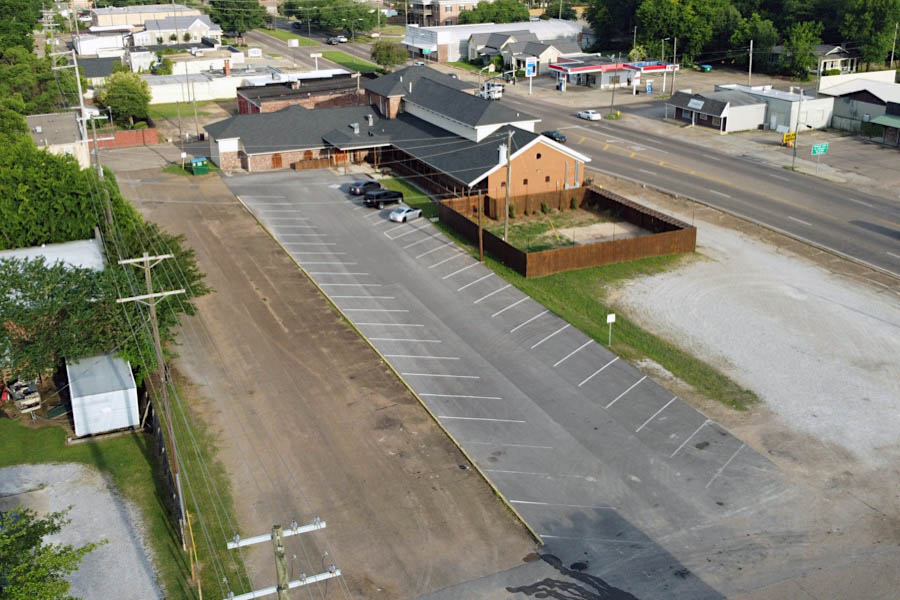
Columbus, Ms / Jun 2020 / RWH
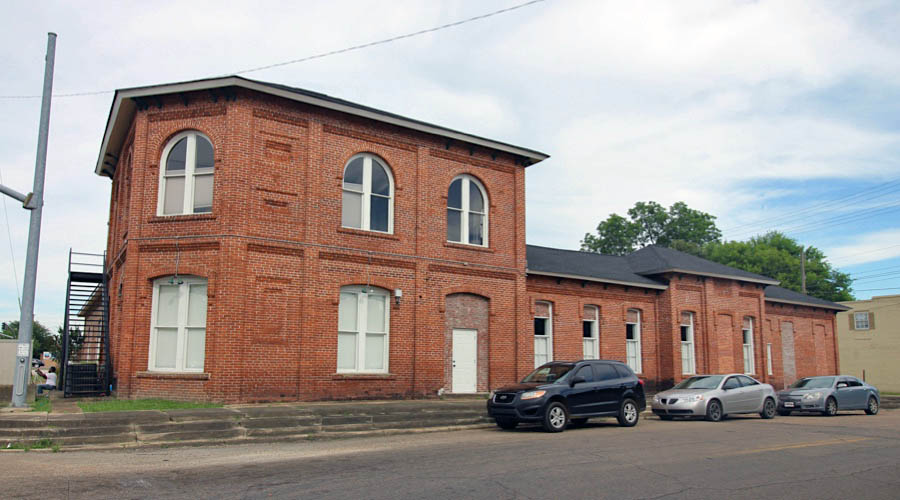
Columbus, Ms / Jun 2020 / RWH
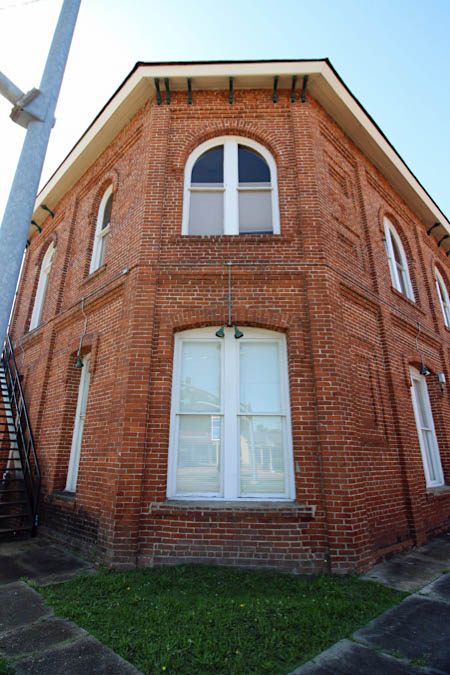
Jun 2020 / RWH
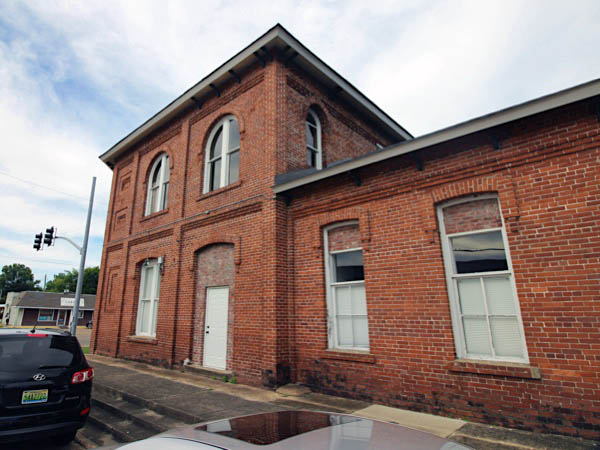
Jun 2020 / RWH
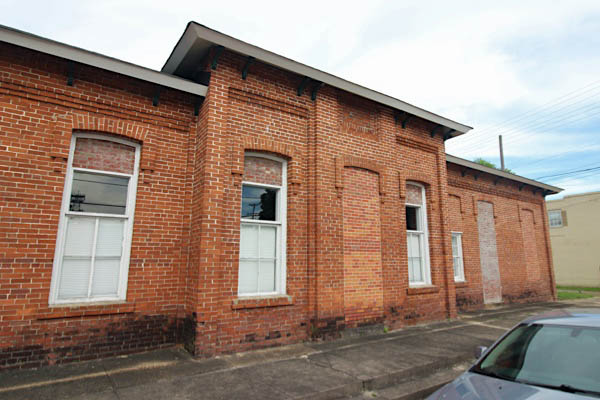
Jun 2020 / RWH
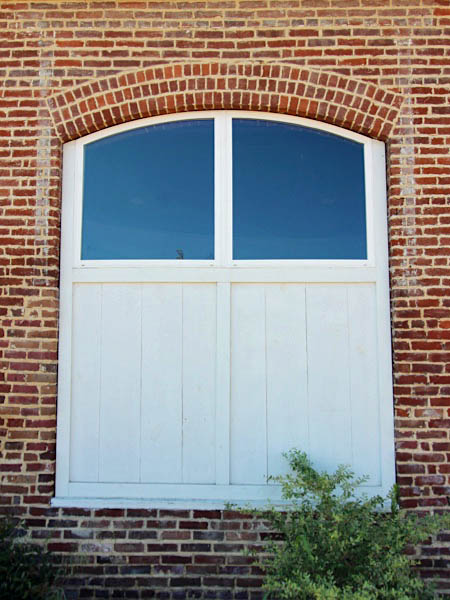
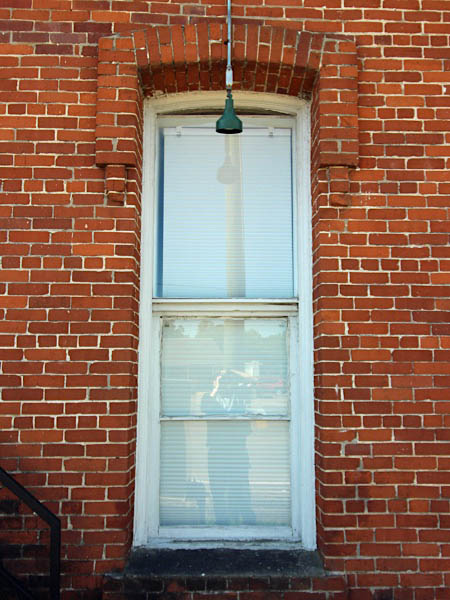
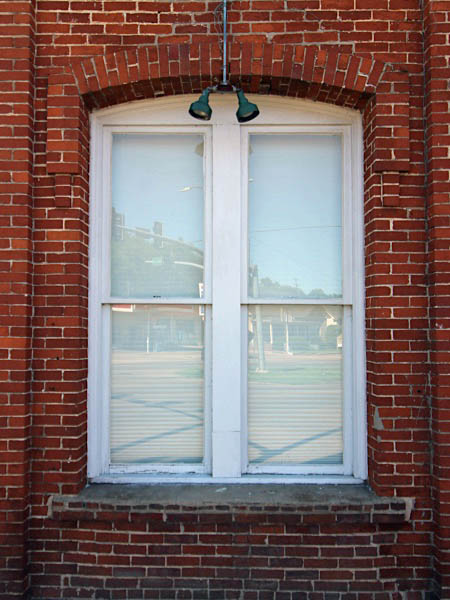
Jun 2020 / RWH
Jun 2020 / RWH
Jun 2020 / RWH
Jun 2020 / RWH
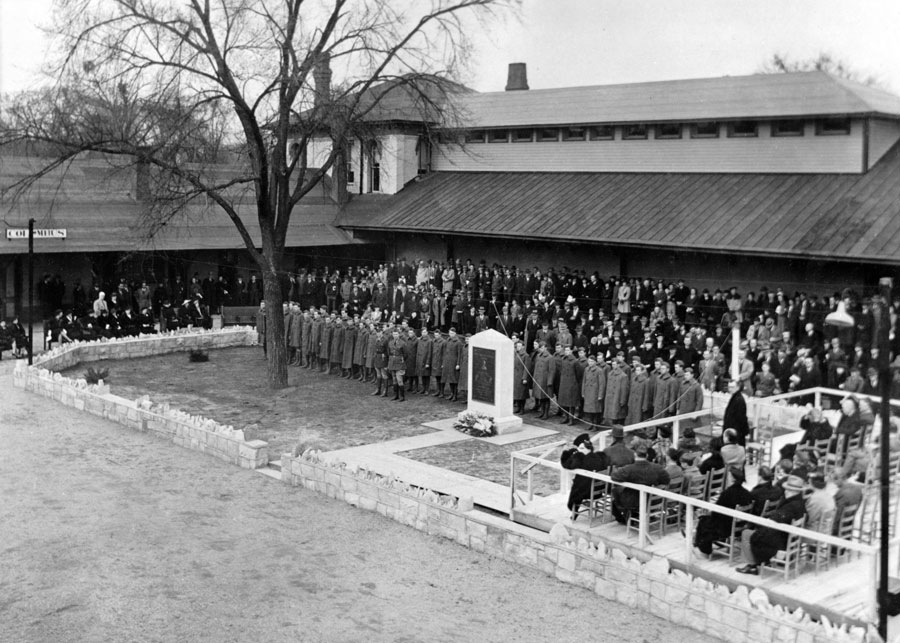
Stovall memorial ceremony / Columbus, Ms / Mar 1939 / collection
Jun 2020 / RWH
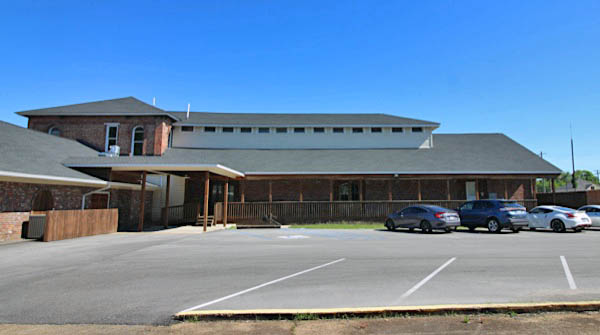
Jun 2020 / RWH
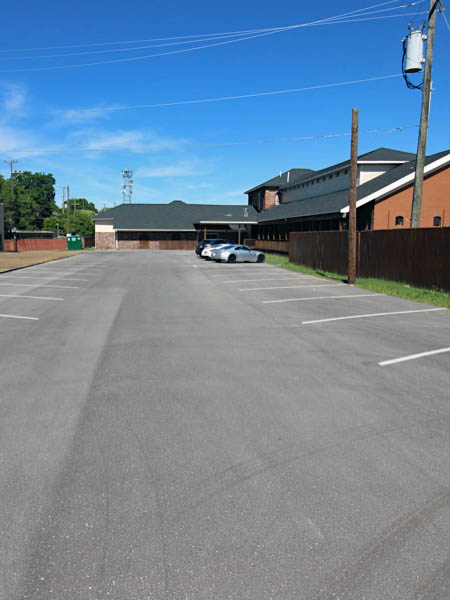
Jun 2020 / RWH
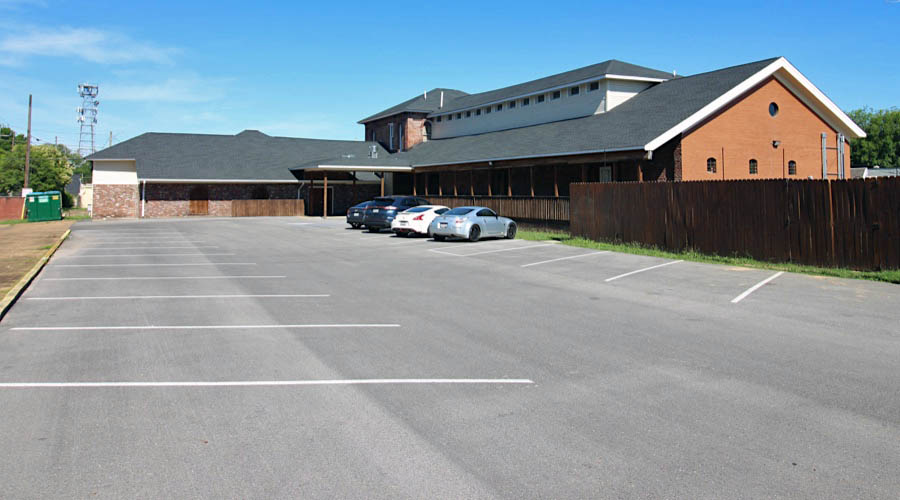
Jun 2020 / RWH
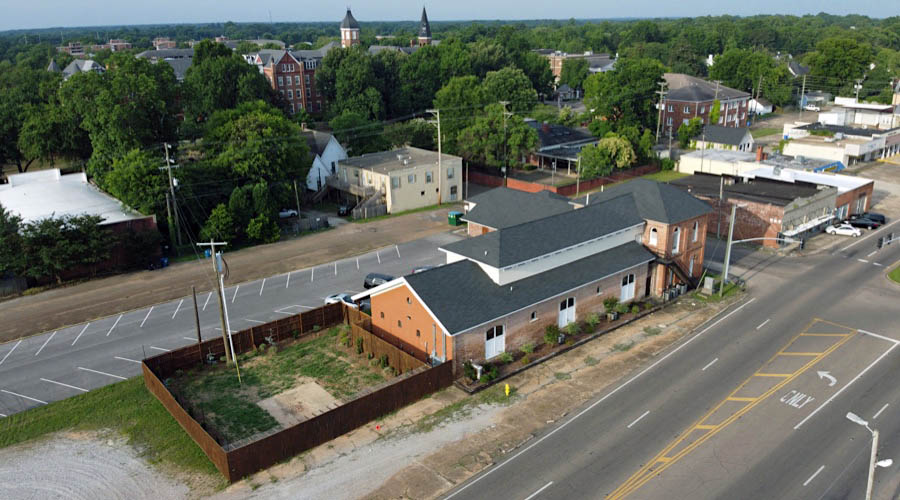
Columbus, Ms / Jun 2020 / RWH
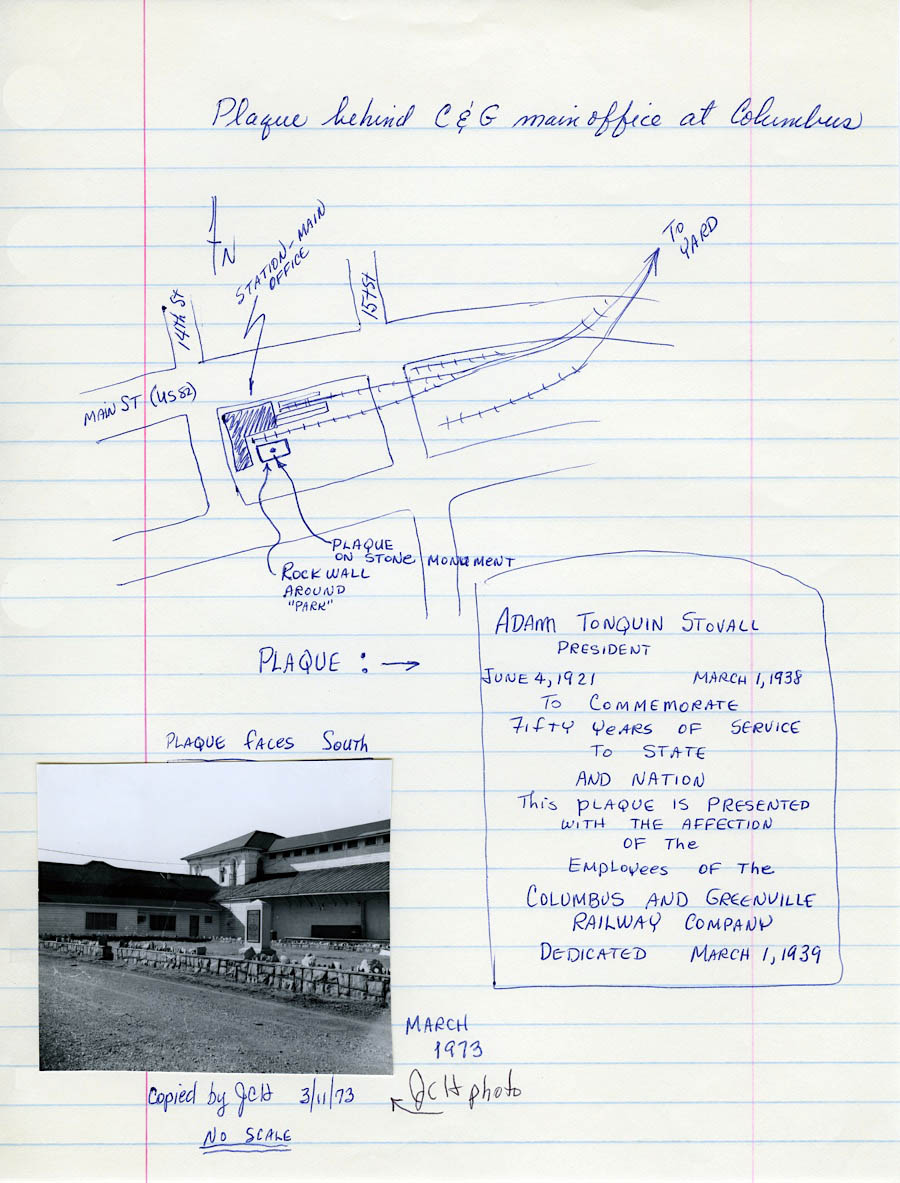
notes on Stovall memorial / Mar 1973 / JCH
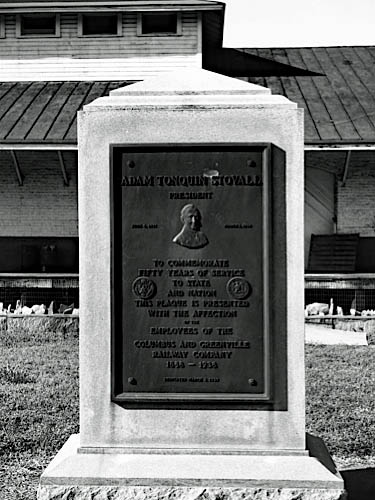 In 1939, on the first anniversary of his death, a memorial was erected behind the Columbus station to honor Adam T. Stovall (1868-1938) -- lawyer, businessman, railroader. A graduate of the University of Mississippi Law School, Stovall was the local attorney for the nearby Mobile & Ohio railroad. He served in this post until 1921, when he was appointed receiver of the Columbus & Greenville Railroad -- the first incarnation of the independent shortline purchased from the Southern Railway. By 1923, Stovall had stopped practicing law altogether in order to become the president of the newly reorganized Columbus & Greenville Railway. He remained at the helm until his death.
In his history of the railroad, Louis Saillard writes of Stovall: "His personality and financial abilities were responsible for ending a receivership and returning prosperity to a little railroad many through could not survive."
To commemorate 50 years of service to state and nation, this plaque is presented with the affection of the employees of the Columbus & Greenville Railway Company.
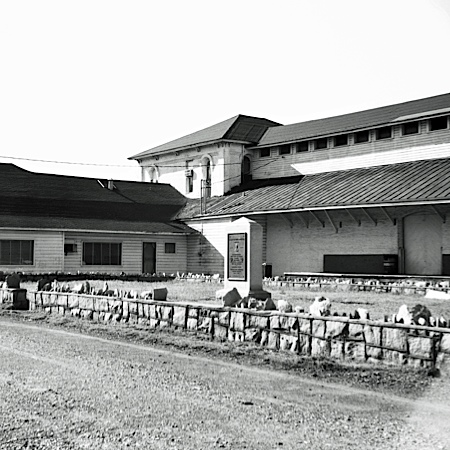
Stovall memorial / 1973 / JCH
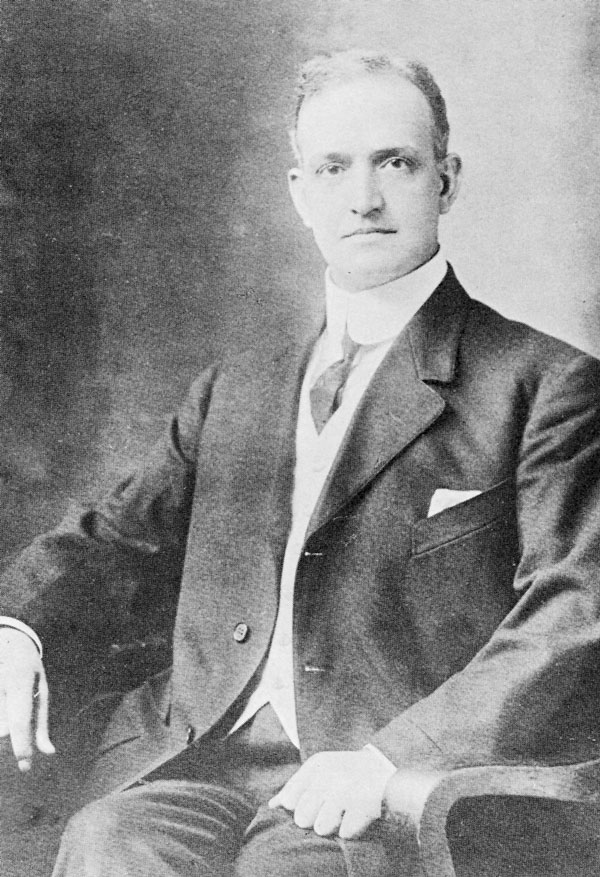
Adam Stovall / collection

See also our Columbus & Greenville Timeline page for more A.T. Stovall materials
See also our Propst Park in Columbus scrapbook for the current location of the memorial
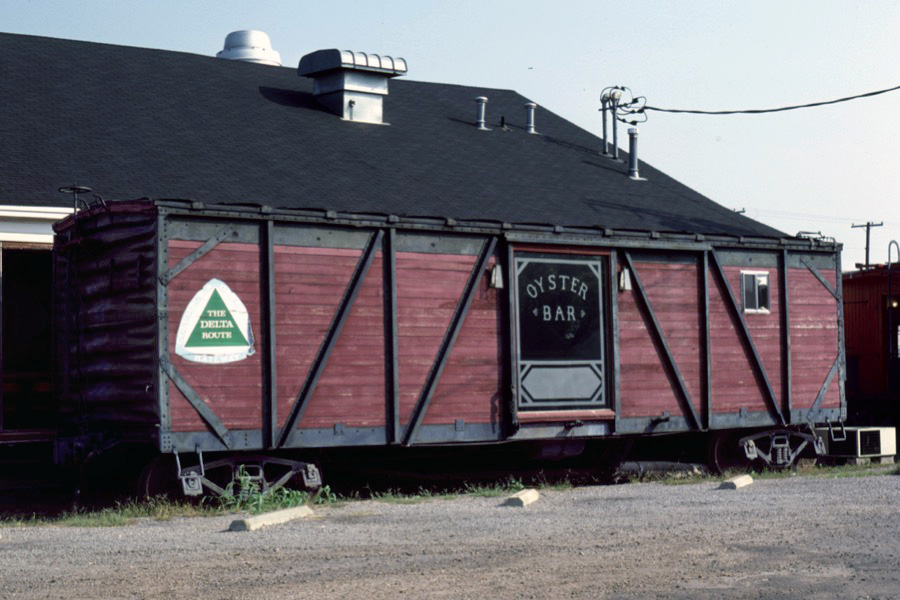
Columbus, Ms / Oct 1982 / Gerhard Anderson
Office
For decades the company office for the Columbus & Greenville was maintained downtown in the passenger depot (above). In 1978, however, the railroad built a new office facility just south of 3rd Avenue and the shop/roundhouse facility, adjacent to the southbound leg of the wye.
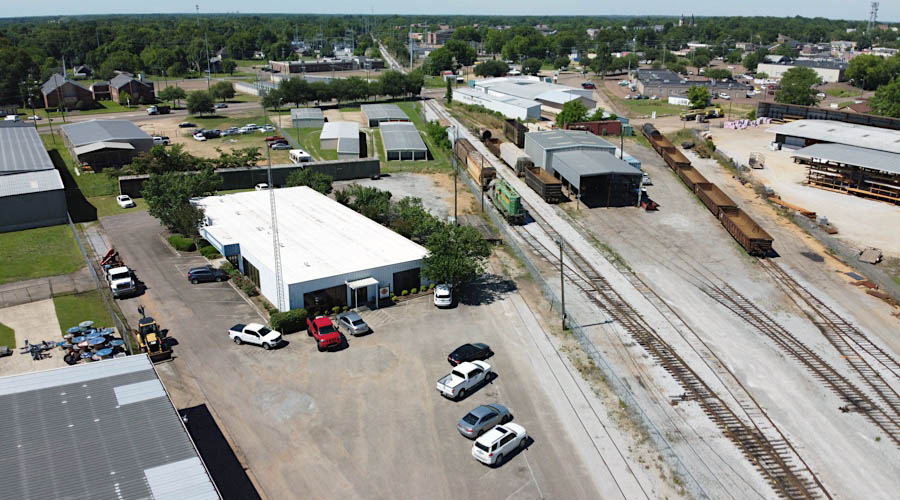
Columbus, Ms / Jun 2020 / RWH
Click to see the Columbus & Greenville office area plotted on a Google Maps page
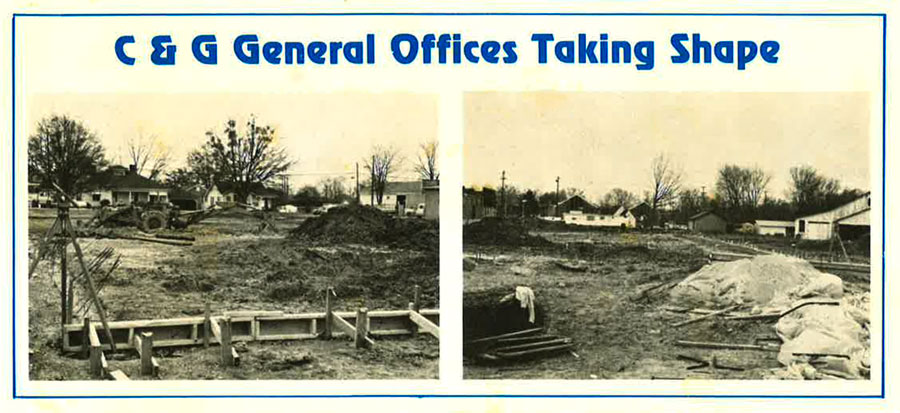
from CAGY company newsletter [Mar 1978] / collection
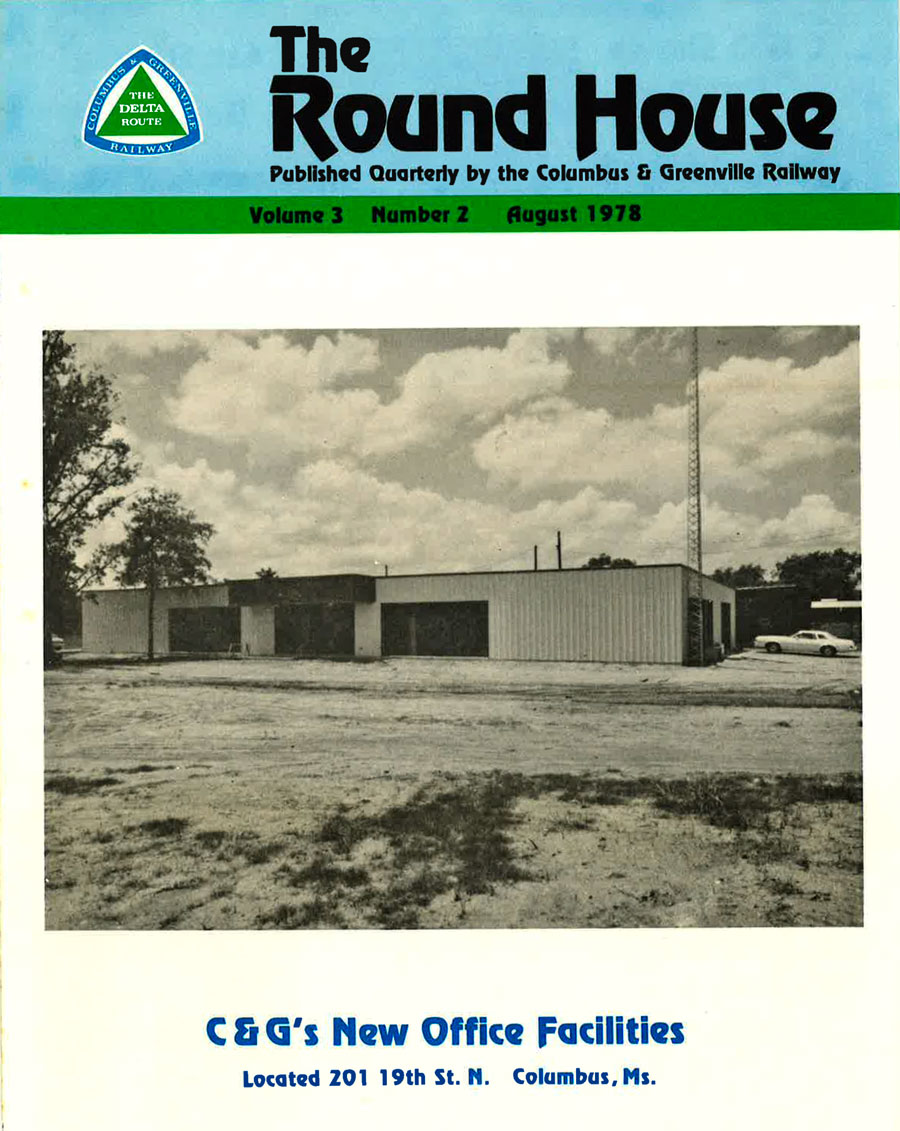
from CAGY company newsletter [Aug 1978] / collection
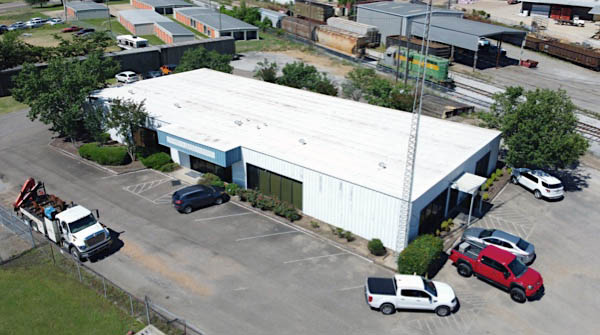
Columbus, Ms / Jun 2020 / RWH
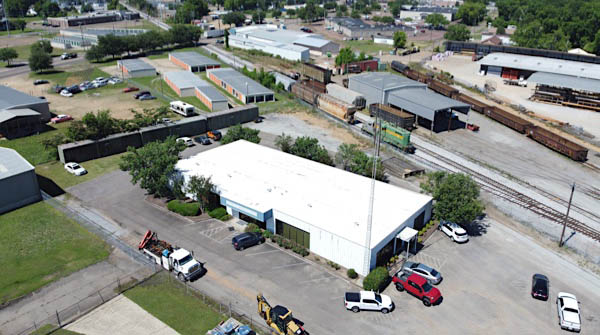
Columbus, Ms / Jun 2020 / RWH
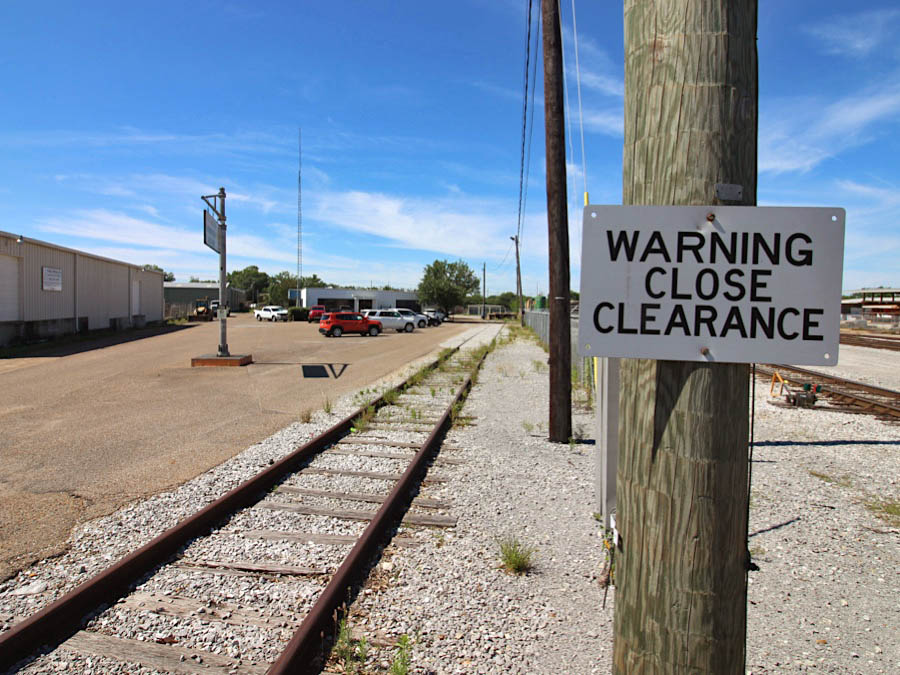
Columbus, Ms / Jun 2020 / RWH
Jun 2020 / RWH
Columbus, Ms / Jun 2020 / RWH
Columbus, Ms / Jun 2020 / RWH
Columbus, Ms / Jun 2020 / RWH
Shops
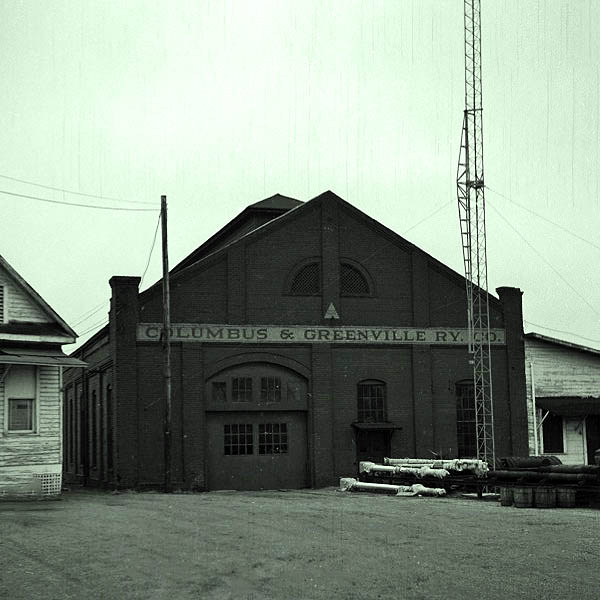
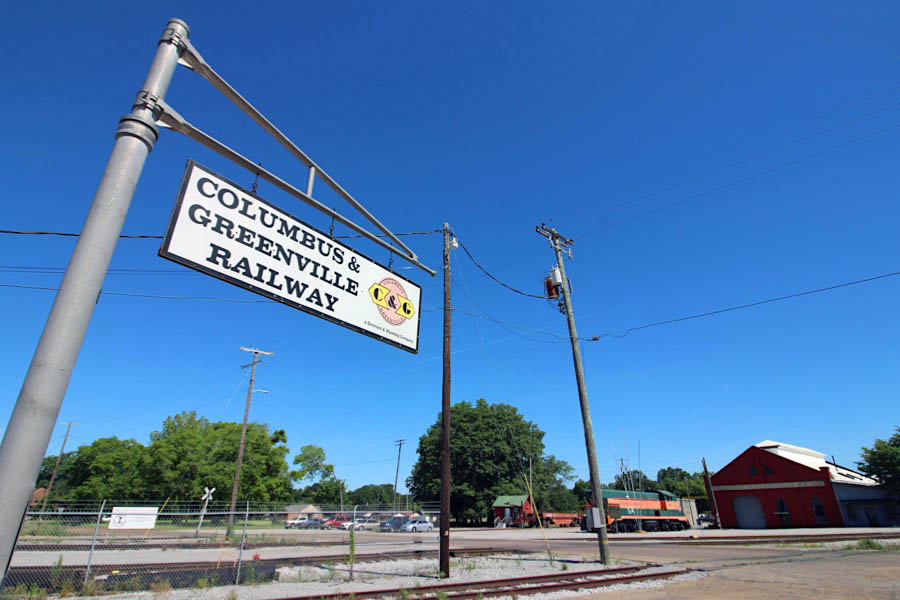
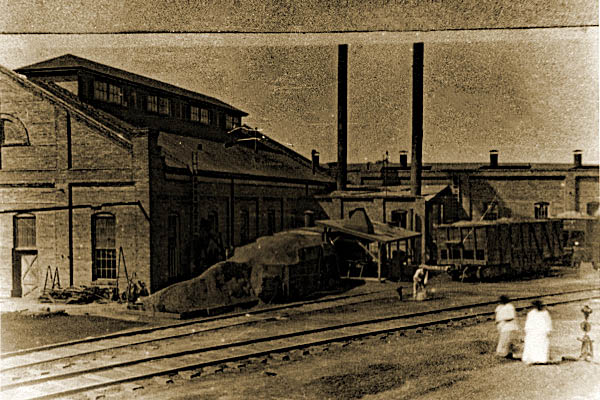
Extending off the southwest corner of the Columbus roundhouse is the formidable machine shop building. Erected in 1908 by the Southern Railway Company in Mississippi, the C&G inherited the facility in 1923 and for decades used it to maintain and rebuild its entire steam locomotive fleet ... not to mention rolling stock and other equipment. The last steamer overhauled in the shop was Ten-wheeler #178 (see below), out-shopped in 1948 and now on display in Propst Park elsewhere in Columbus. Nevertheless, the historic machining equipment was kept in good use throughout the diesel era, keeping the Baldwins, Whitcombs, and EMD fleets in good working order. A secondary wooden shop building sat just the south of the main shop at least through 1917, but was later demolished. Baldwin #601 currently sits on permanent display in the same location.
Click to see the Columbus shop and roundhouse area plotted on a Google Maps page
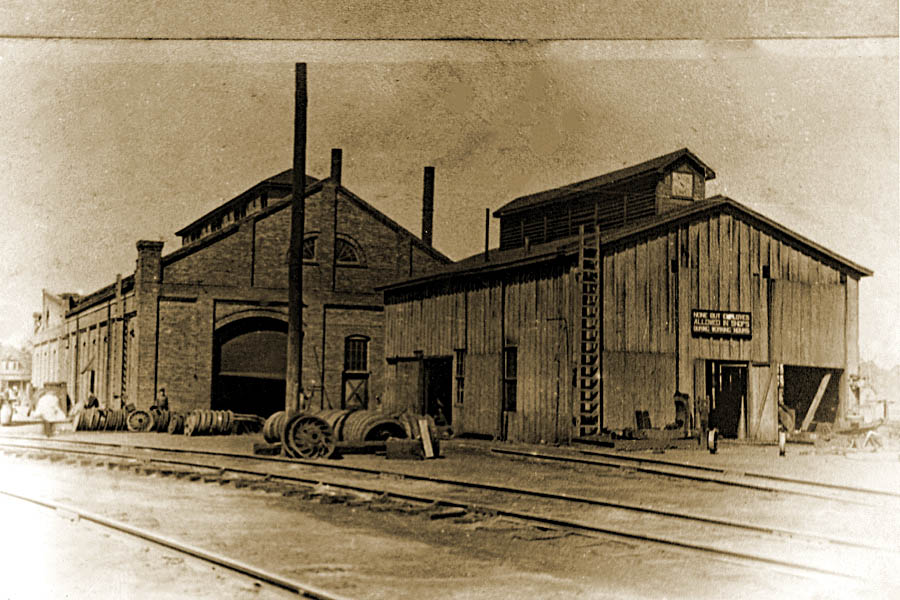
main and secondary shops / 1917 inspection / collection
shop power house / 1917 inspection / collection
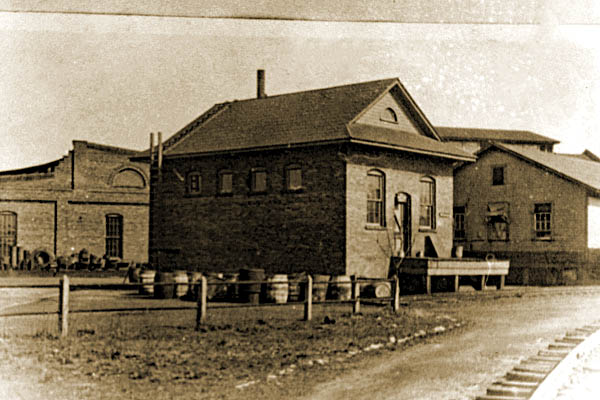
oil house / 1917 inspection / collection
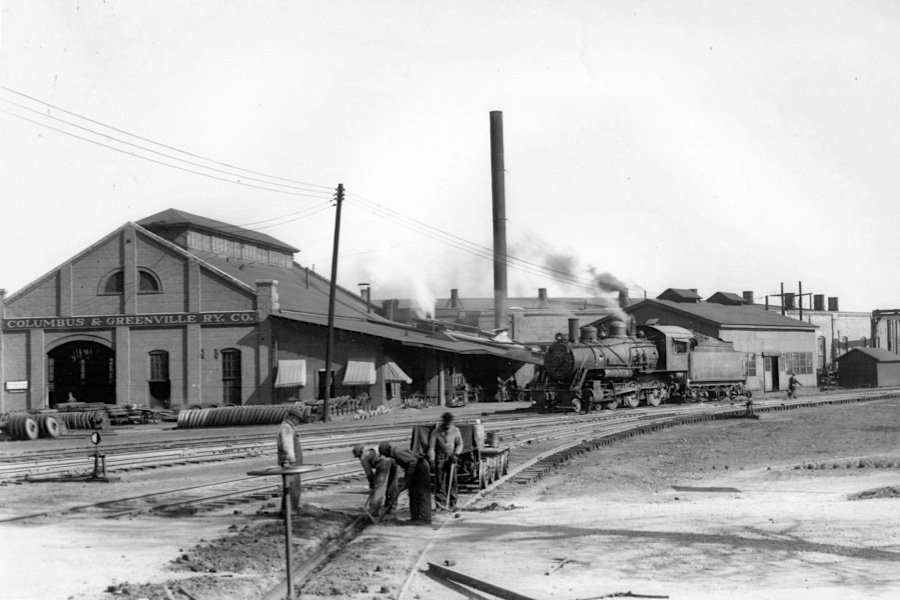
Columbus, Ms / Mar 1944 / collection
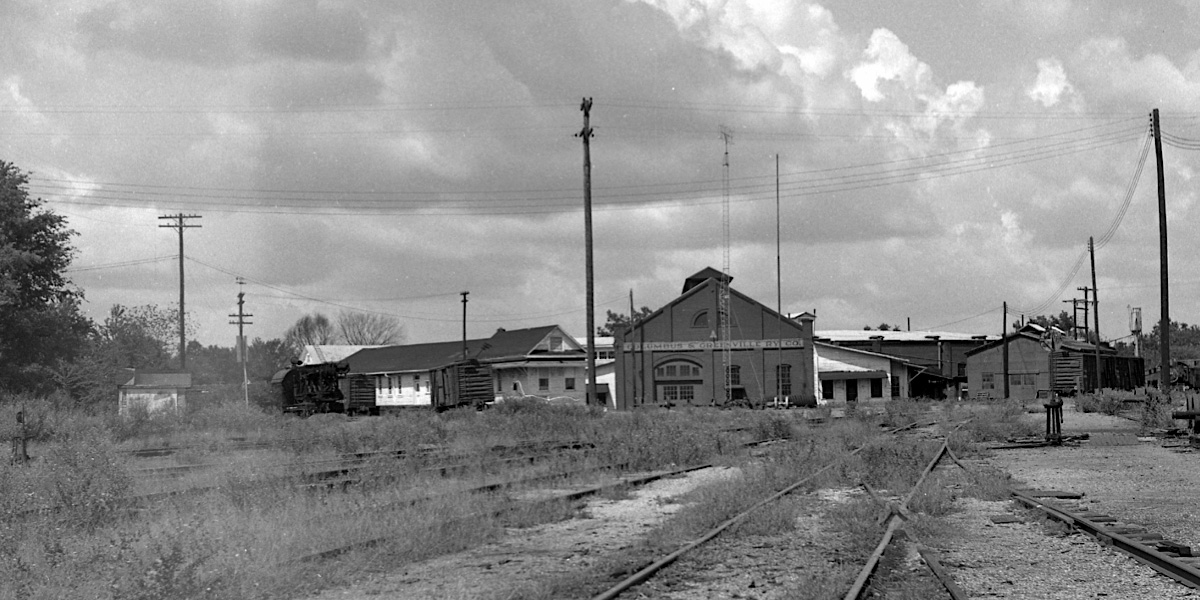
Columbus, Ms / Sep 1969 / JCH
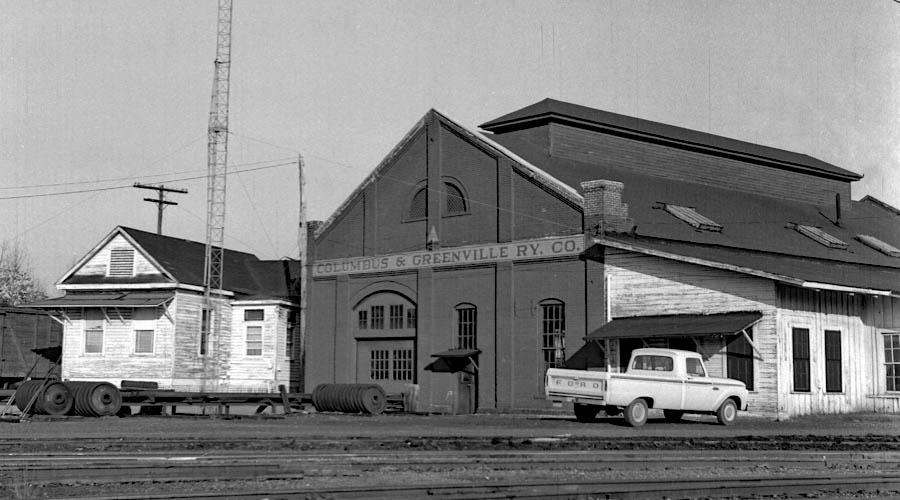
Columbus, Ms / Dec 1971 / JCH
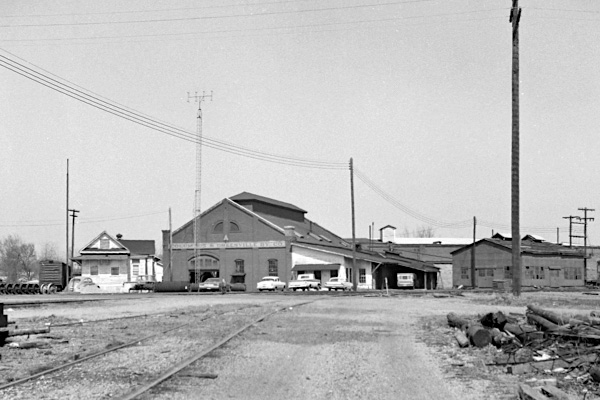
Mar 1972 / JCH
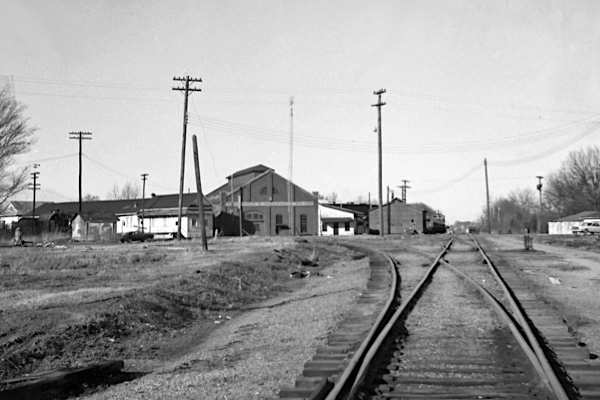
Mar 1973 / JCH
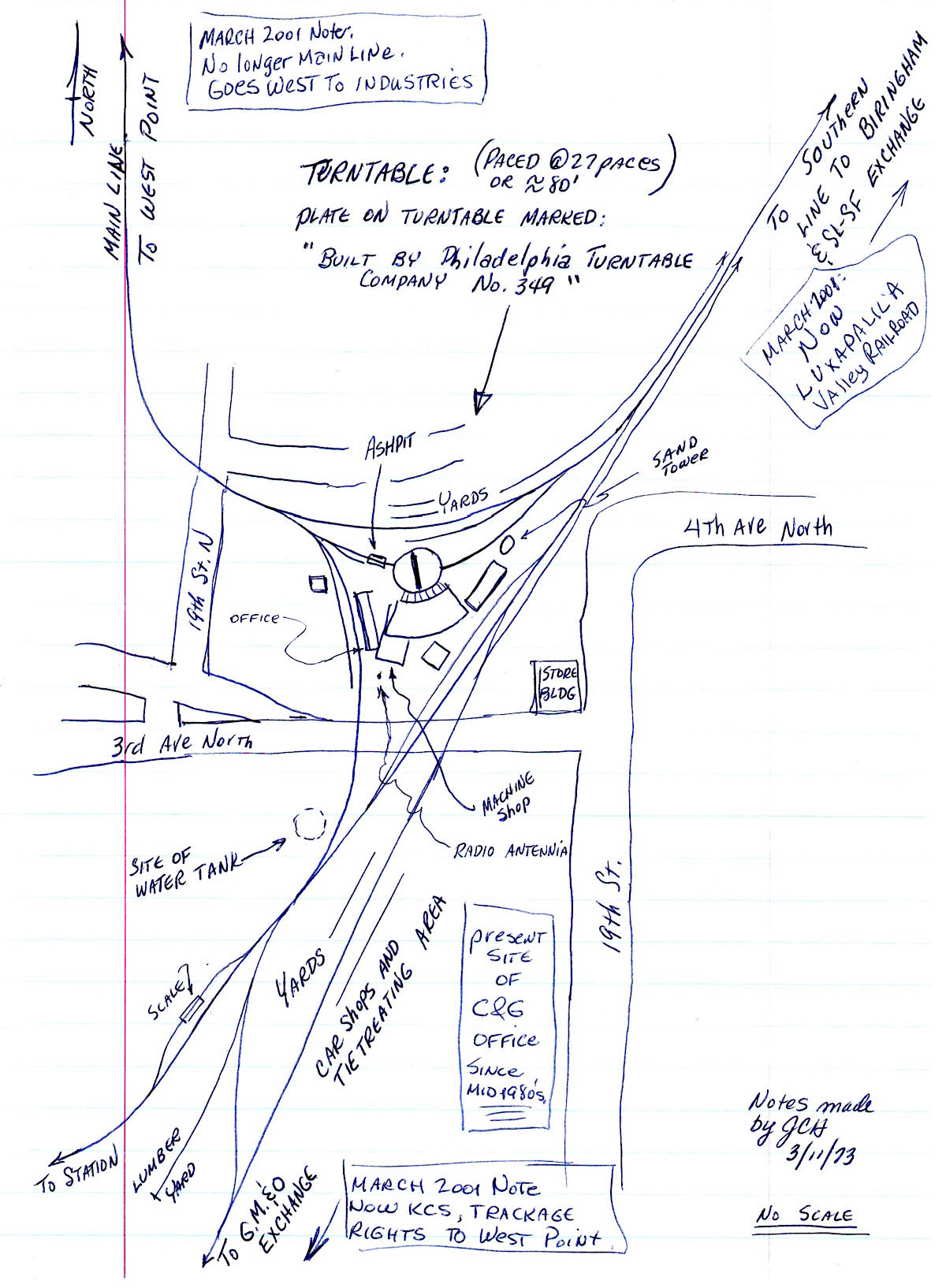
notes on shop and roundhouse area / Mar 1973 / JCH
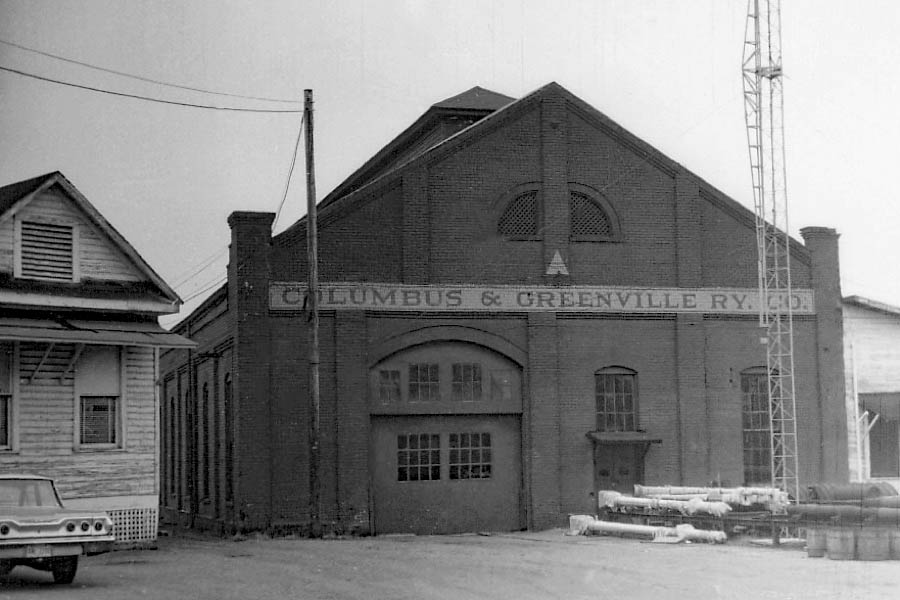
Columbus, Ms / Dec 1970 / JCH
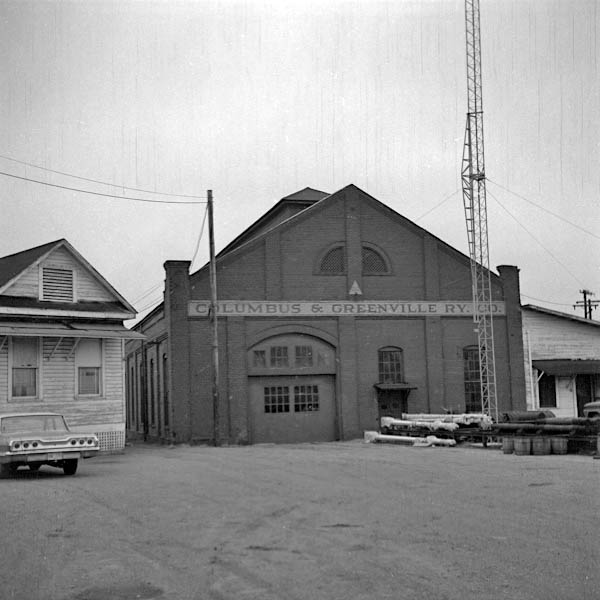
Columbus, Ms / Dec 1970 / JCH
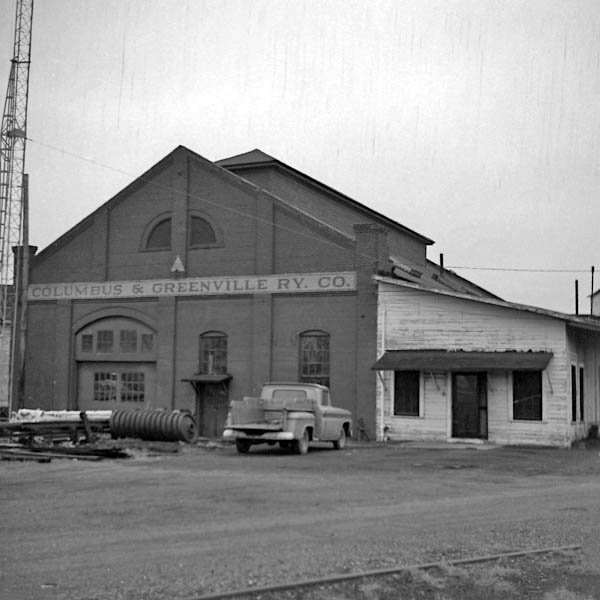
Columbus, Ms / Dec 1970 / JCH
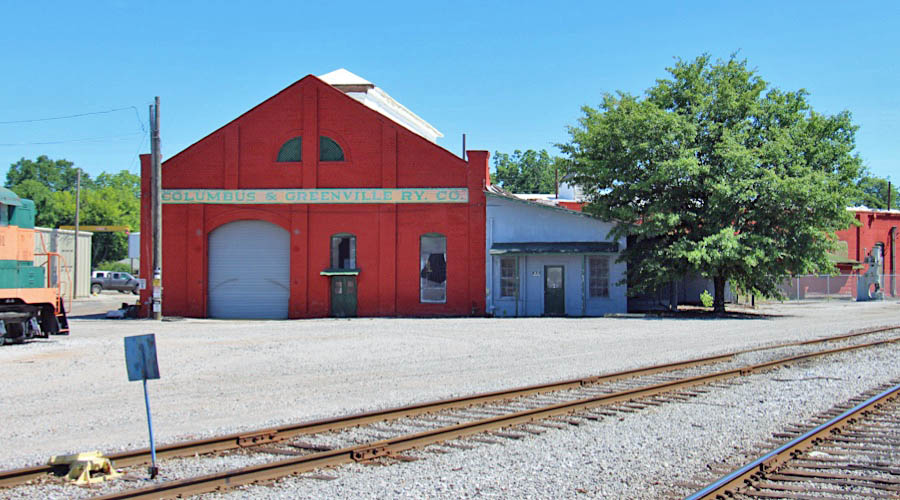
Columbus, Ms / Jun 2020 / RWH
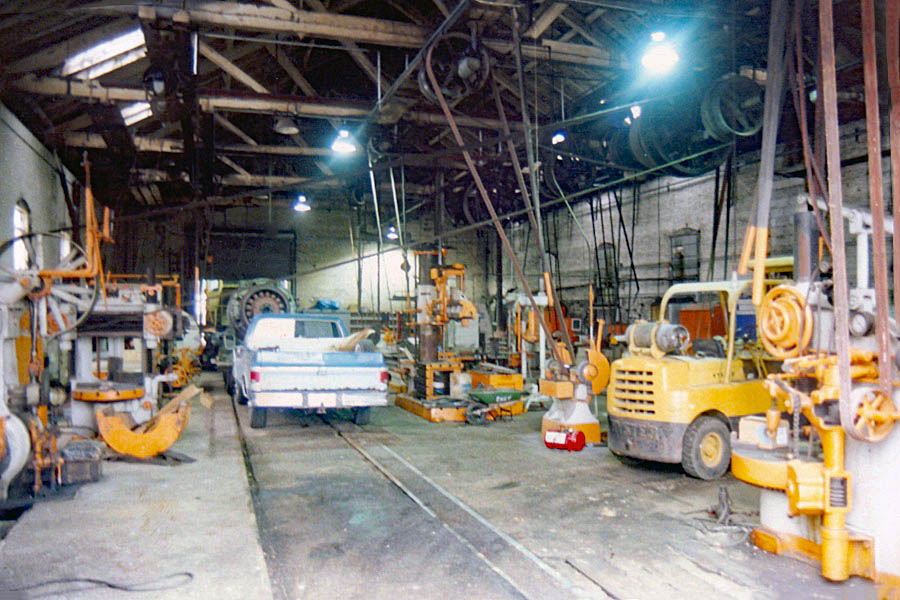 A peak inside the machine shop at Columbus revealed a fully-working 1900's-era shop, complete with flat belts, shafts, and pulleys. The last time I got to look into the shop was about 2000, and its was still intact! Guards had been installed over the pulles and belts to meet OSHA standards, but it was still the same 100-year old shop.
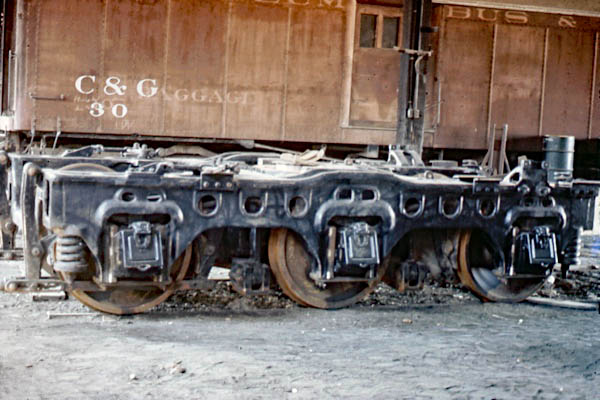
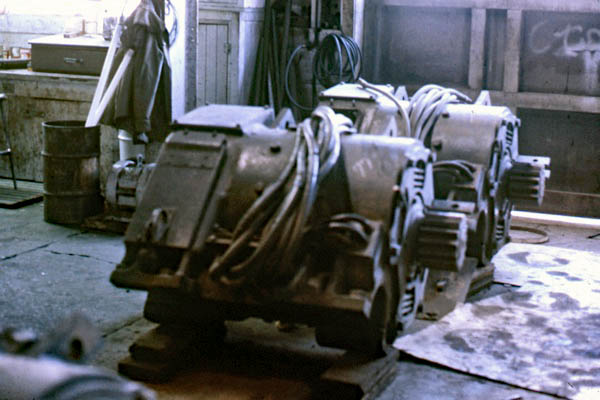
all photos above: Columbus, Ms / JCH
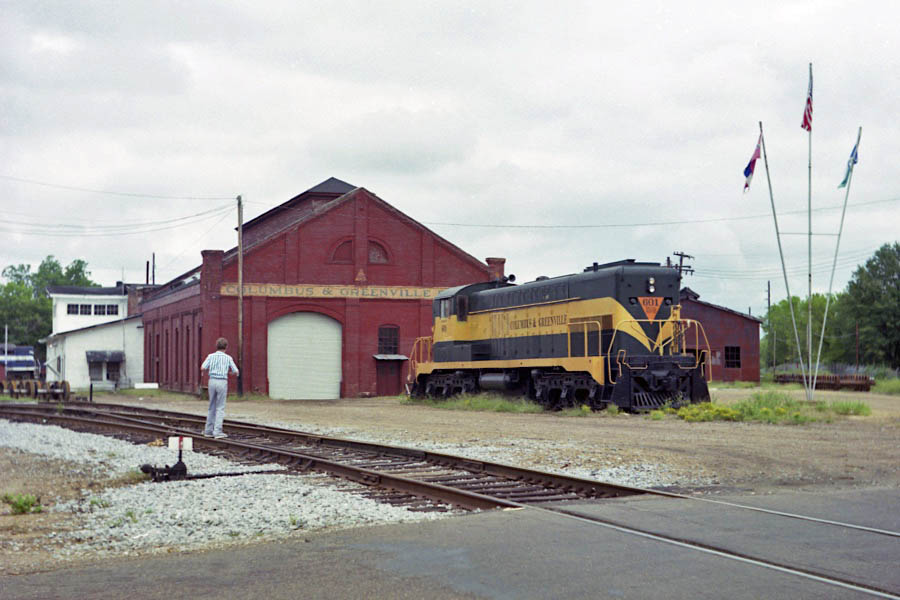
Columbus, Ms / Sep 1986 / JCH
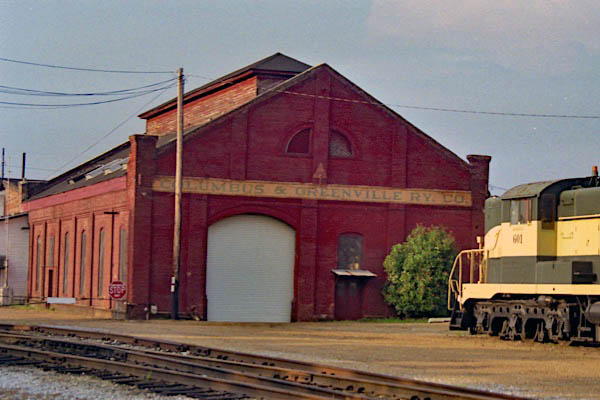
Jul 1989 / RWH
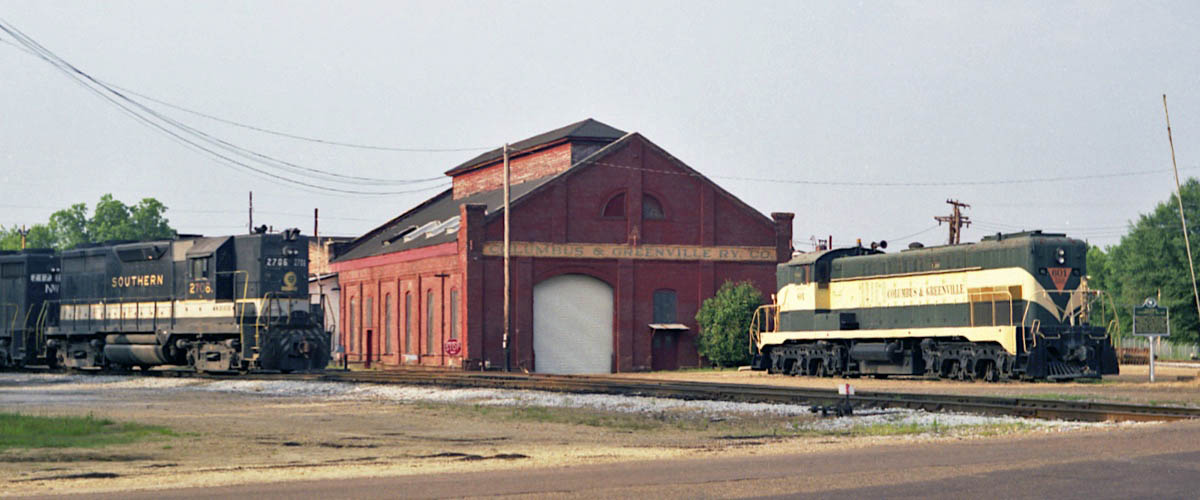
Southern local tied down / Columbus, Ms / Jul 1989 / RWH
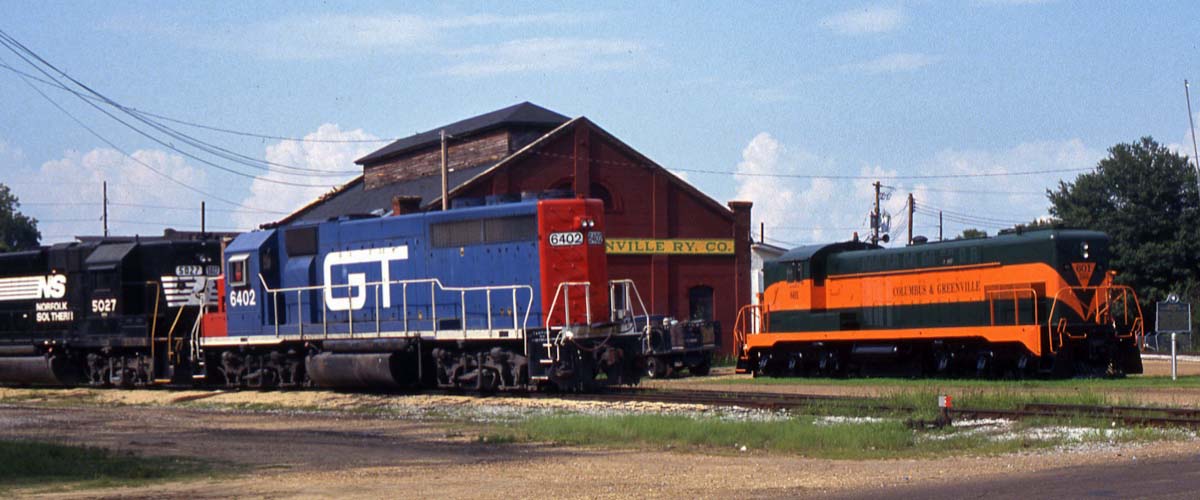
Foreign power on NS local / Columbus, Ms / David Hurt
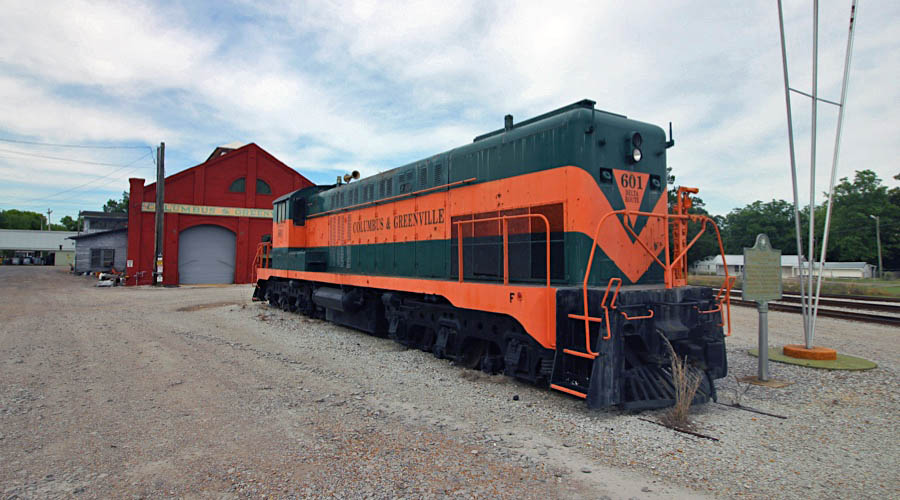
Columbus, Ms / Jun 2020 / RWH
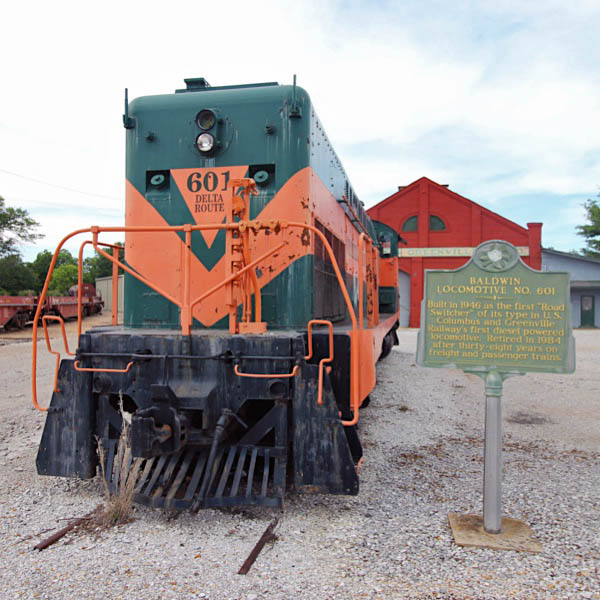
Columbus, Ms / Jun 2020 / RWH
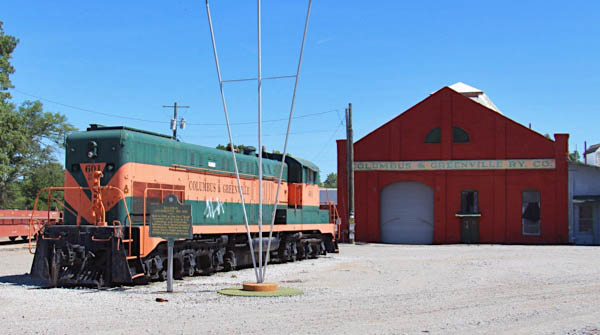
Columbus, Ms / Jun 2020 / RWH
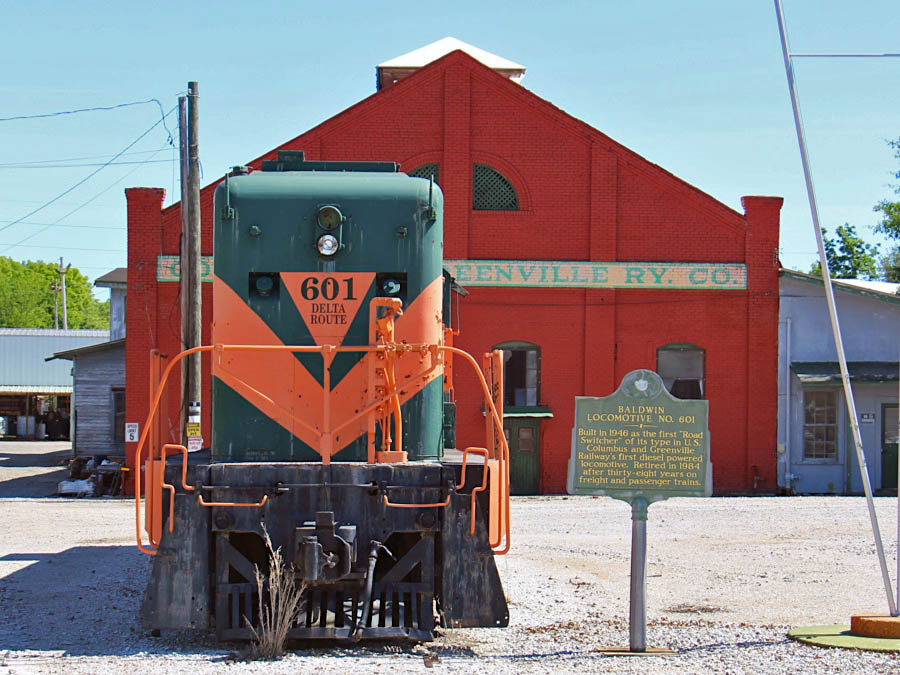
Columbus, Ms / Jun 2020 / RWH
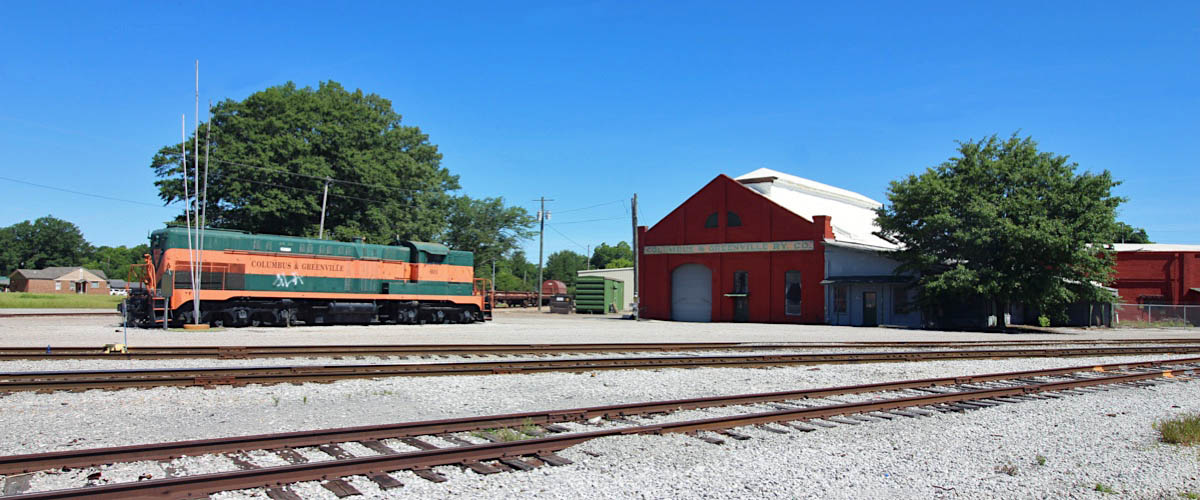
Columbus, Ms / Jun 2020 / RWH
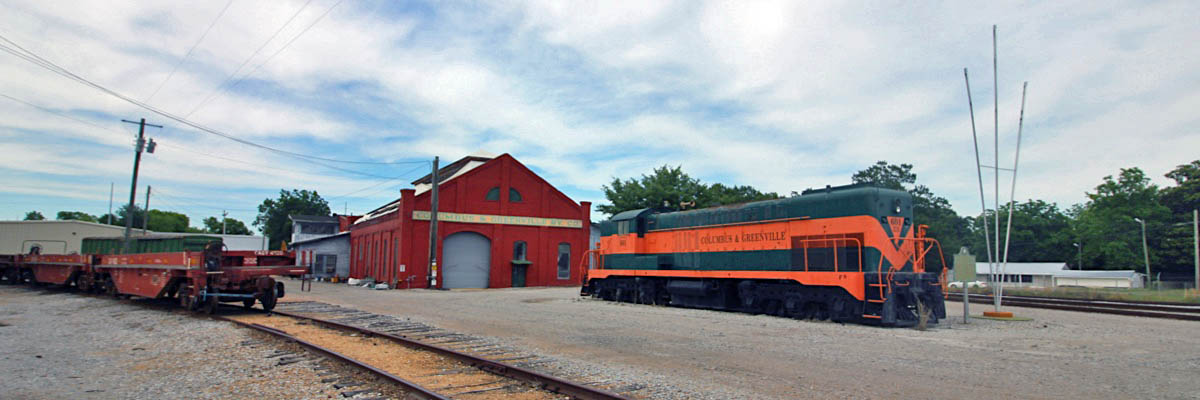
Columbus, Ms / Jun 2020 / RWH
See also our complete C&G Baldwin Locomotive scrapbook for more images of #601 on display
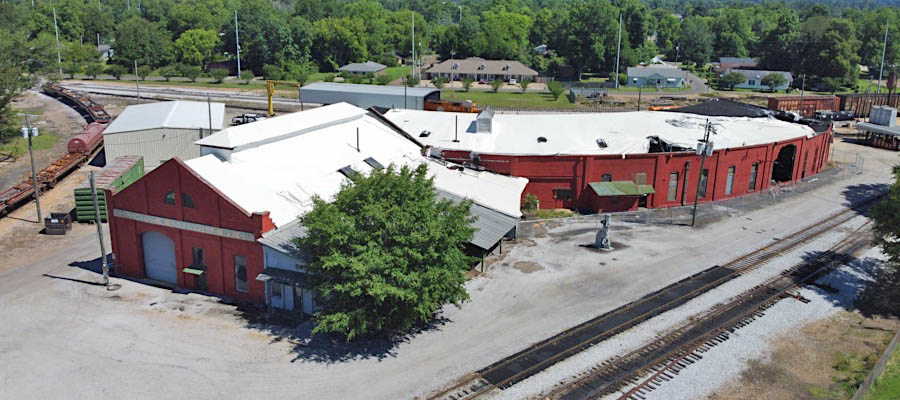
Columbus, Ms / Jun 2020 / RWH
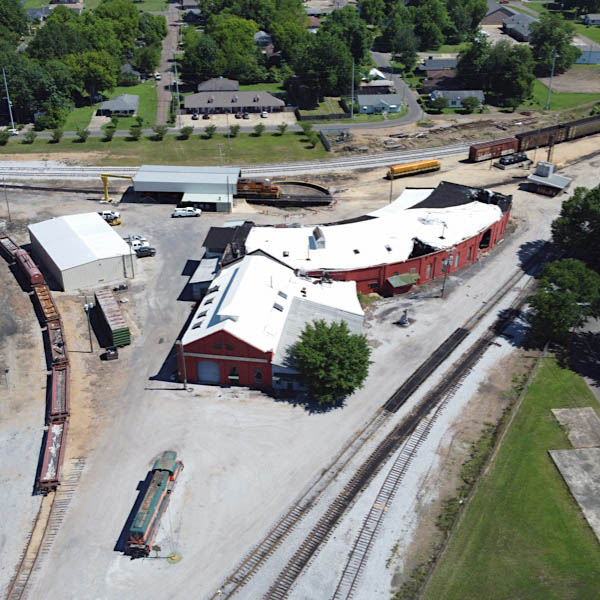
Columbus, Ms / Jun 2020 / RWH
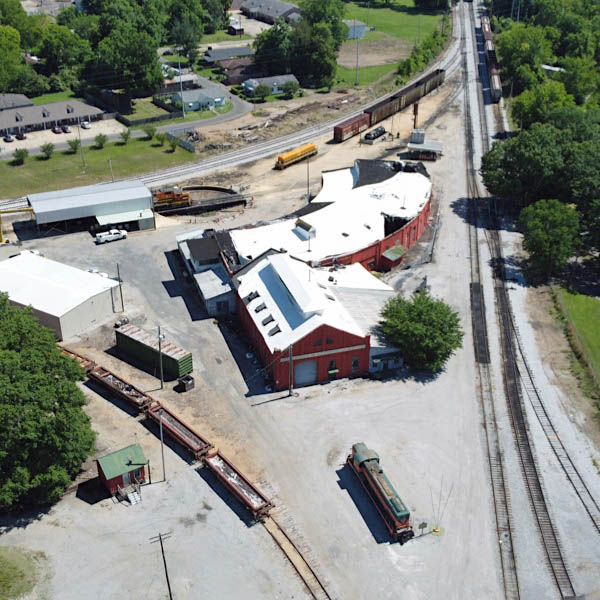
Columbus, Ms / Jun 2020 / RWH
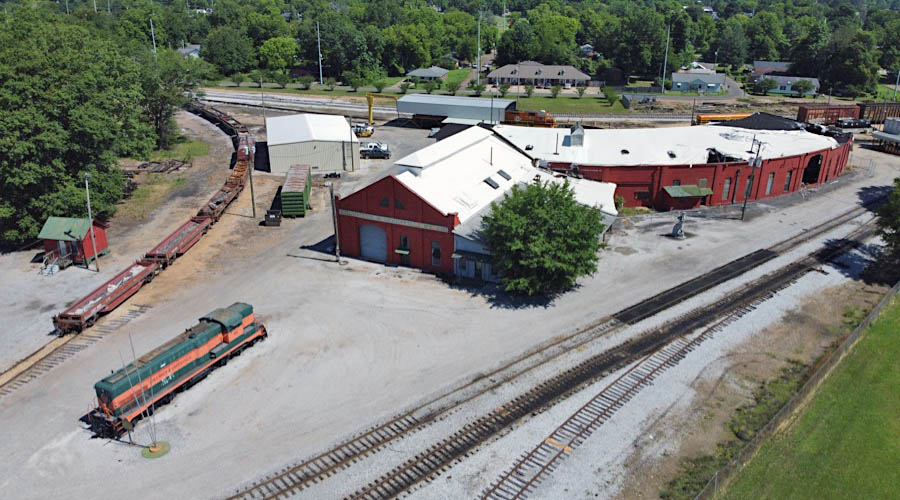
Columbus, Ms / Jun 2020 / RWH
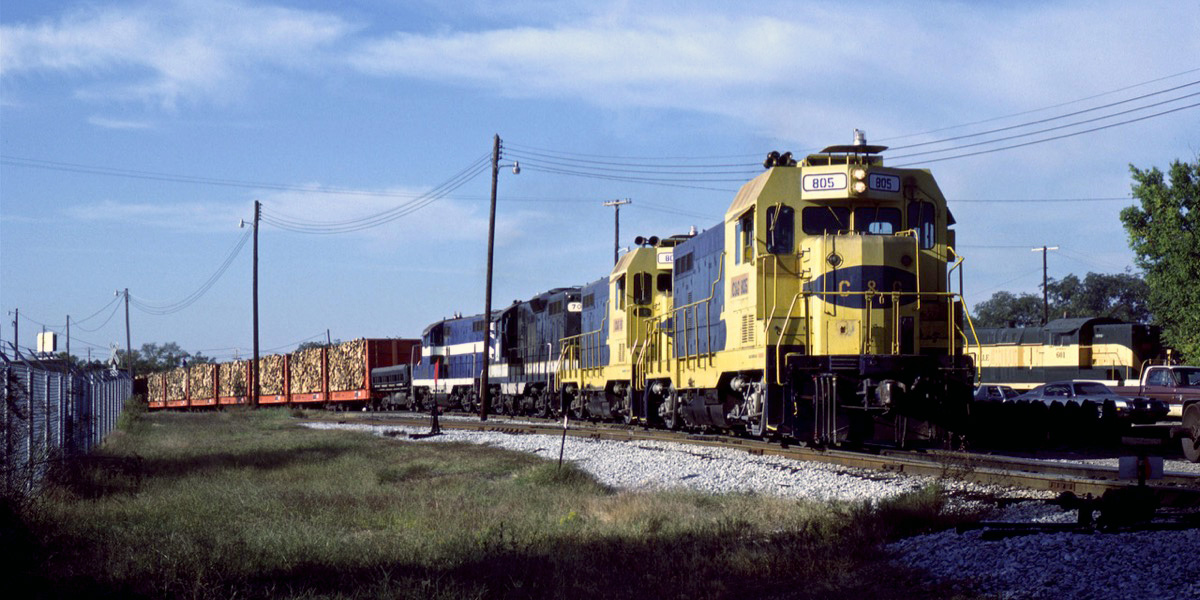
Columbus, Ms / Oct 1987 / Gerhard Anderson
Roundhouse
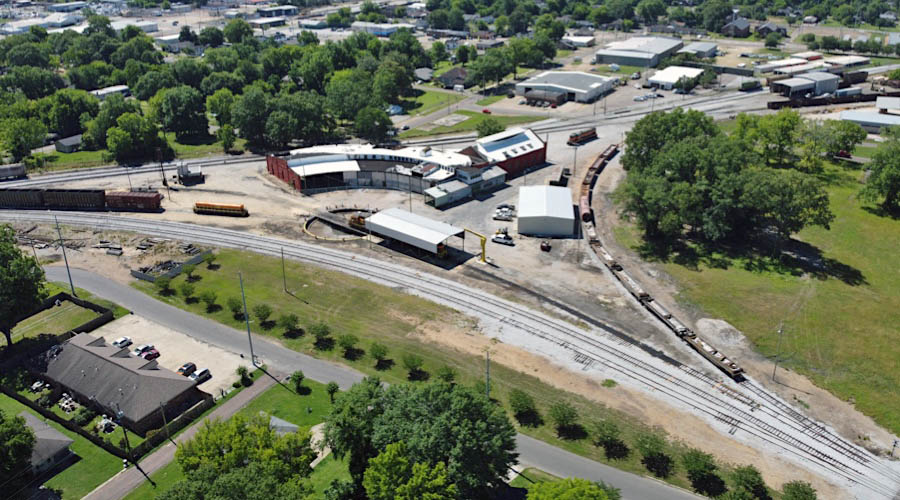
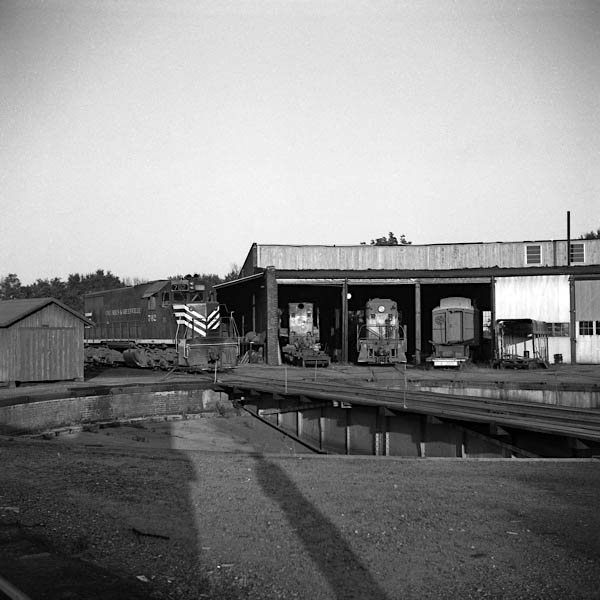
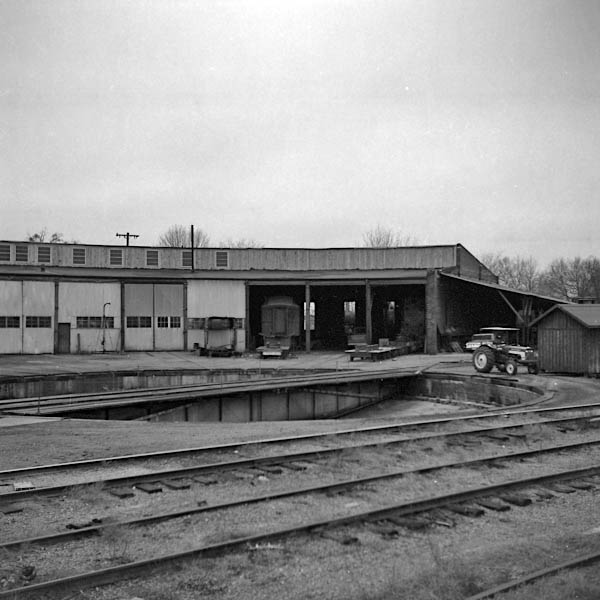
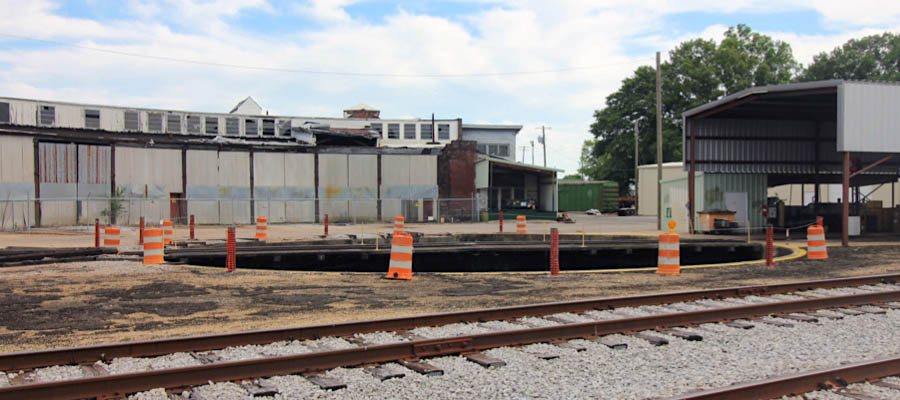
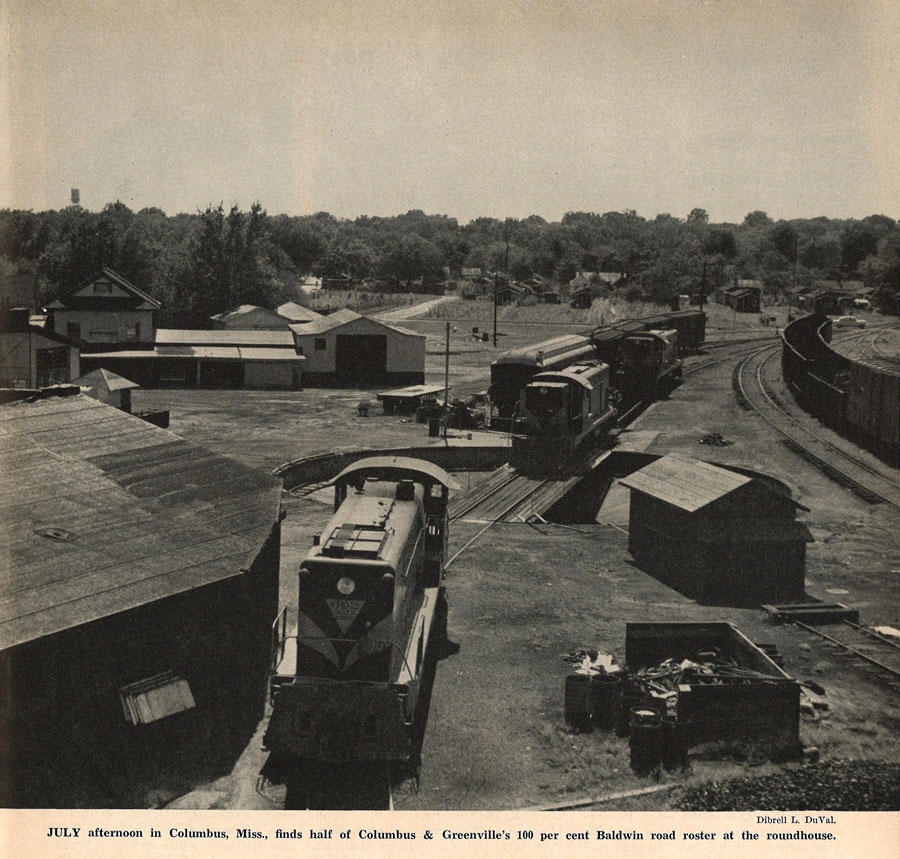
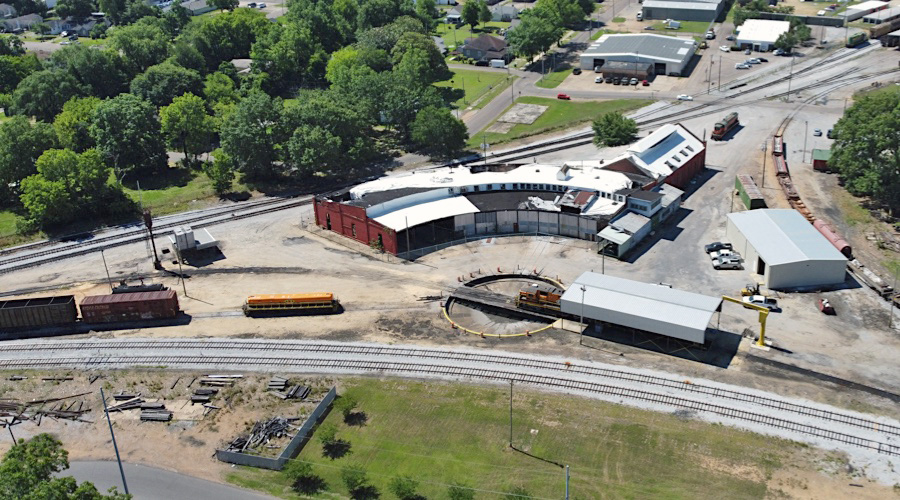
The hub of C&G operations in Columbus has always been a wye track arrangement, with each leg of that wye either leading to the C&G westward mainline (later relocated) or to one of several interchange connections in town. At the center of the wye stands an impressive 10-stall roundhouse building, each stall accessible by rail via an 80' turntable. Built by the Southern Railway in Mississippi in 1908, the Columbus roundhouse has housed and serviced every batch of Delta Route motive power that the road has ever owned — Ten-wheelers, Mikados, Baldwins, Whitcombs, Geeps, and the rest. Although the roundhouse still stands today, looking much the same as always, as of 2020 there are signs of structural failure along some of the exterior walls and roofline.
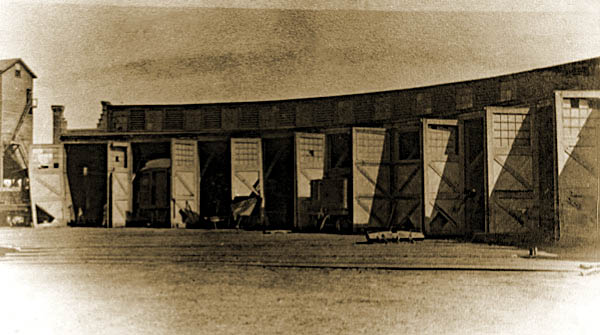
stalls / 1917 inspection / collection
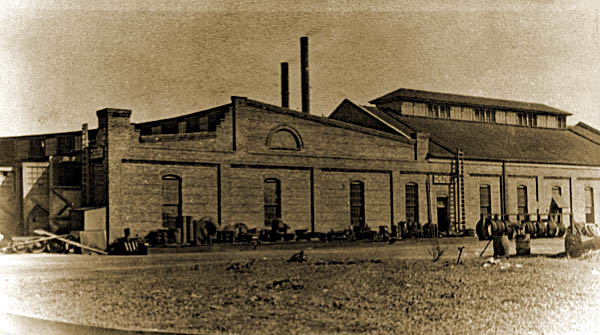
roundhouse side / 1917 inspection / collection
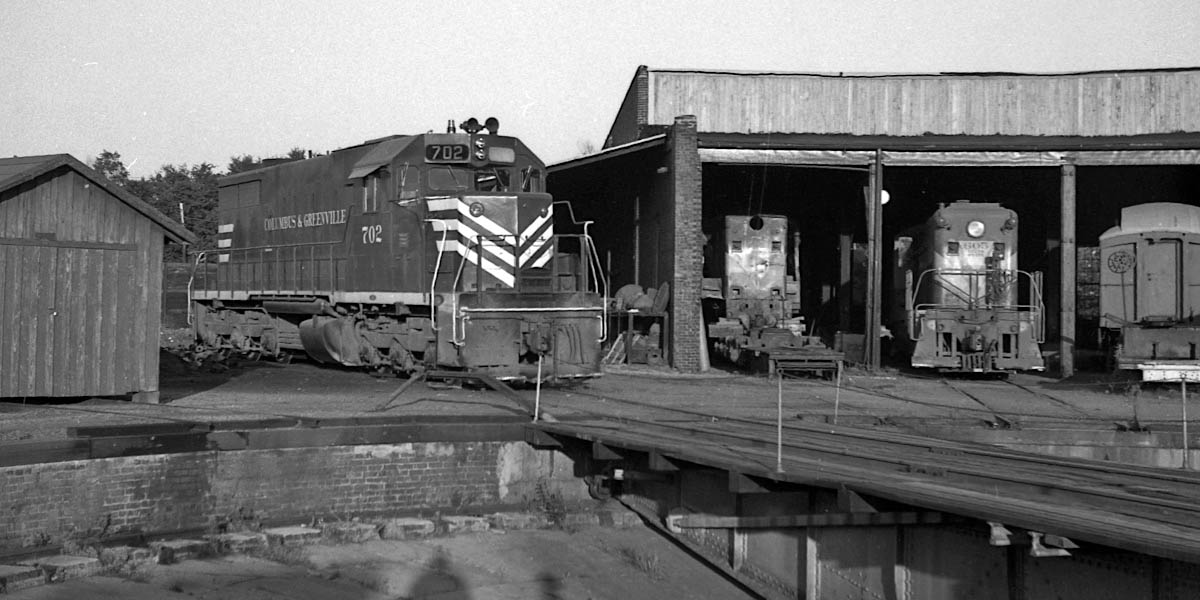
Jun 1970 / JCH
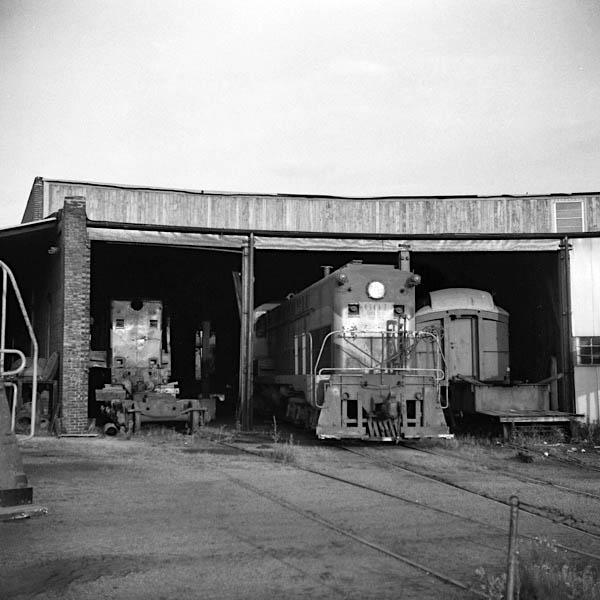
Jun 1972 / JCH
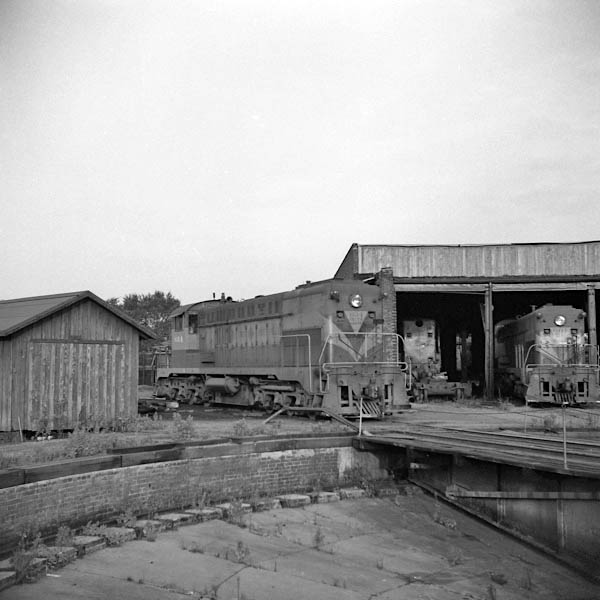
Jun 1972 / JCH
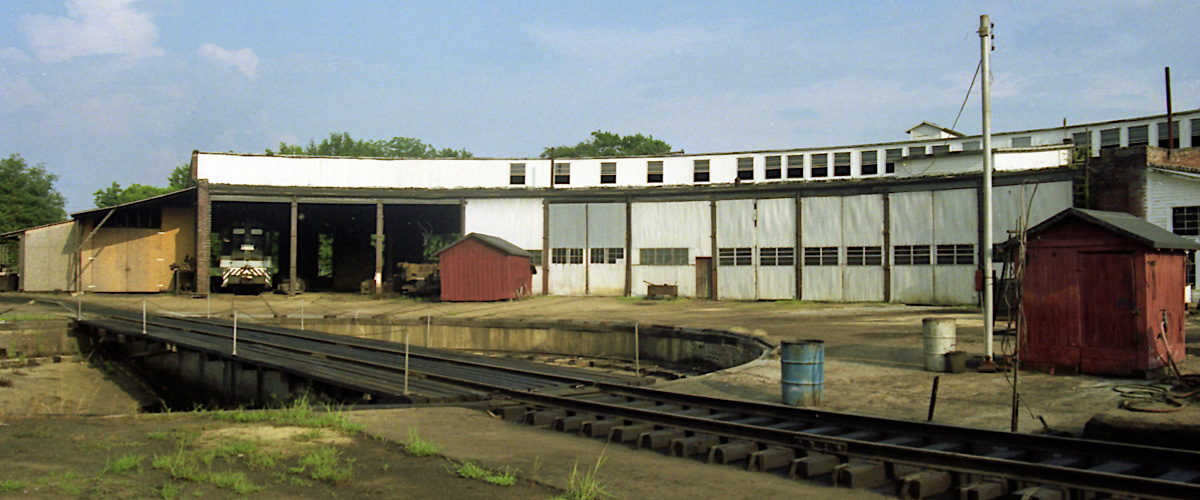
turntable and stalls / Jul 1989 / RWH
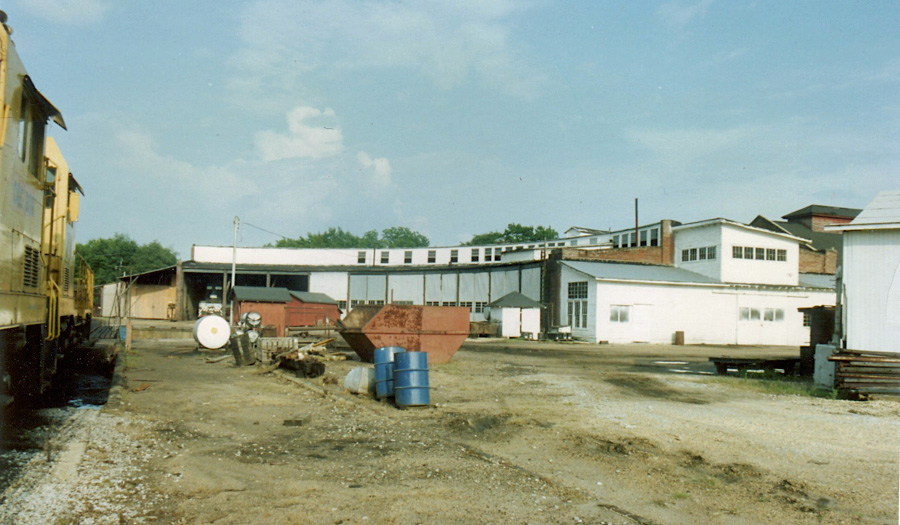
Roundhouse area / Jul 1989 / RWH
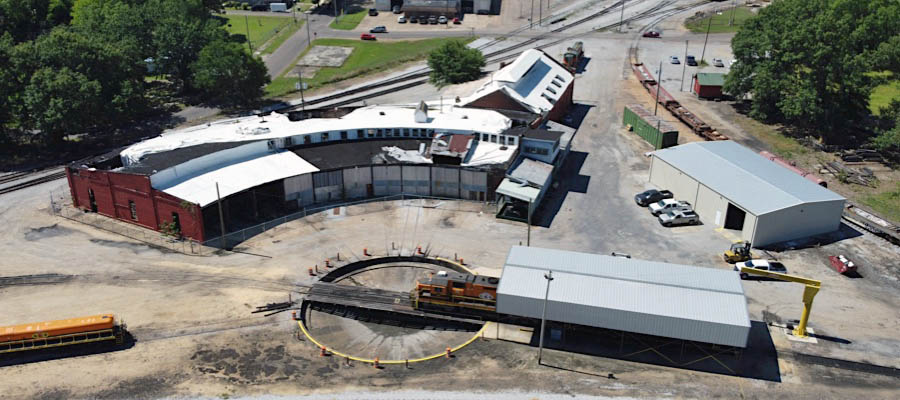
Columbus, Ms / Jun 2020 / RWH
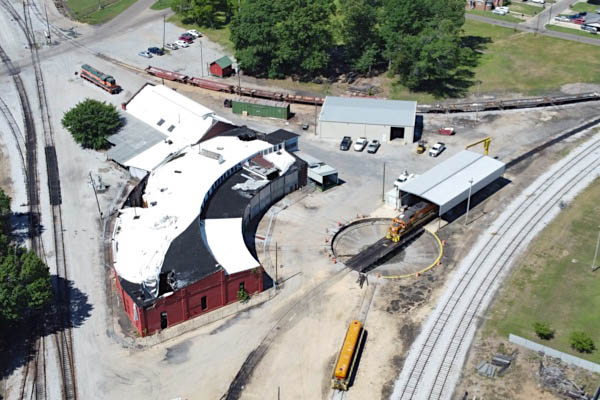
Jun 2020 / RWH
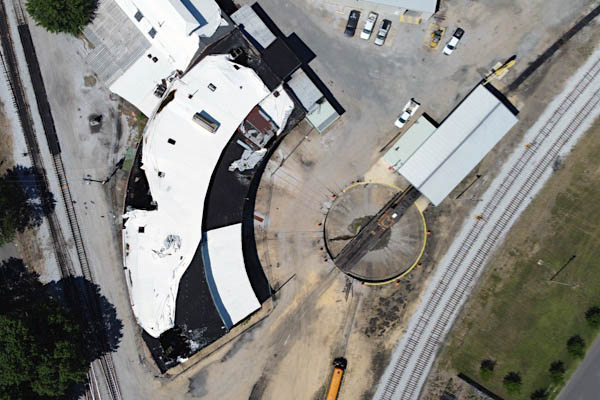
Jun 2020 / RWH
Columbus, Ms / Jun 2020 / RWH
Turntable
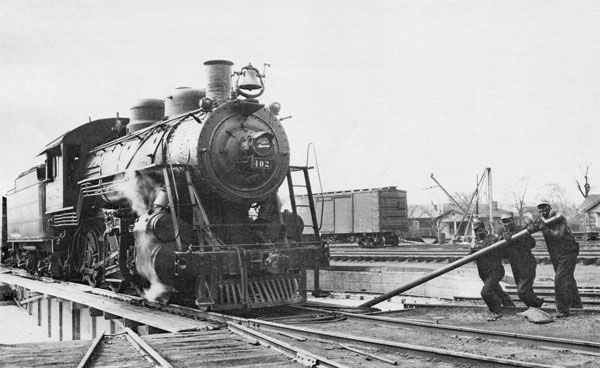
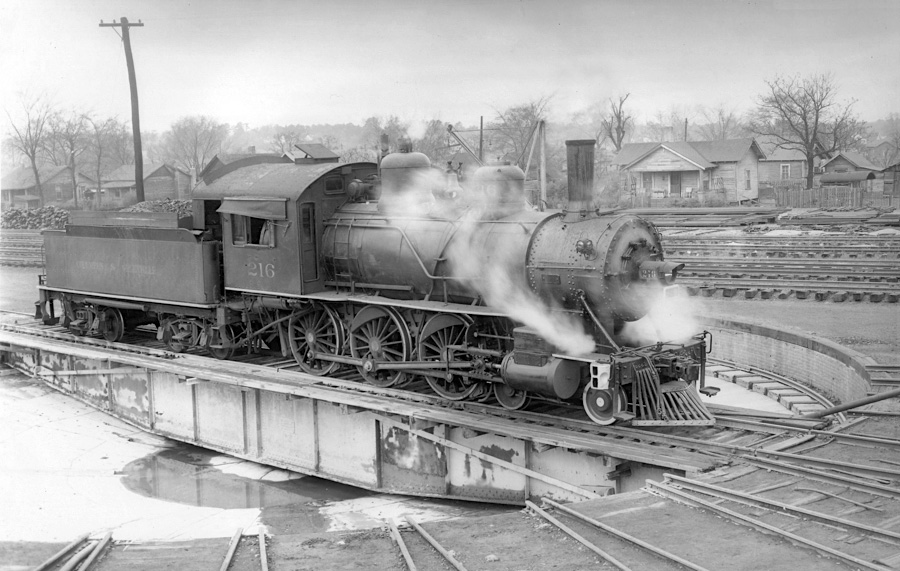
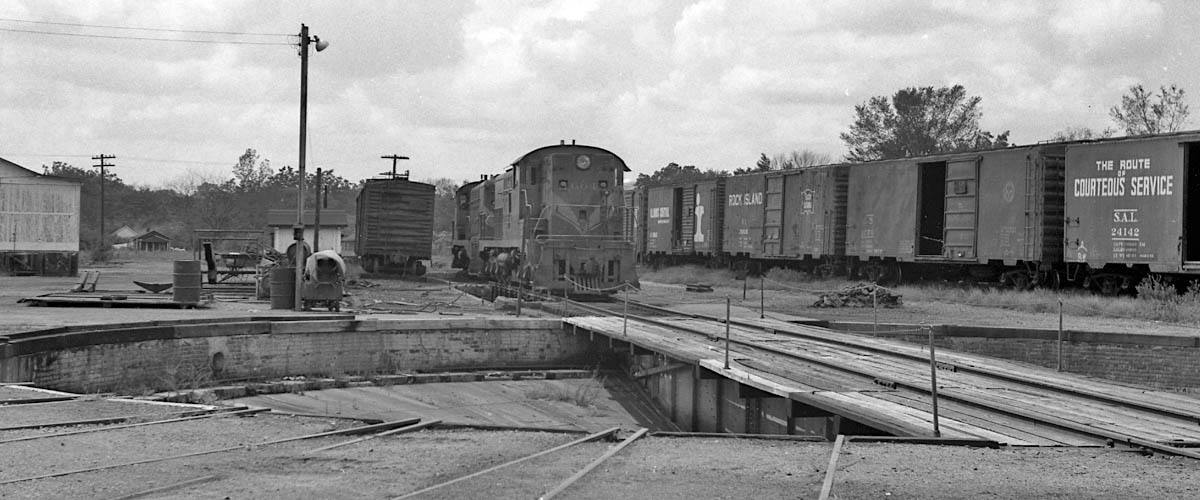
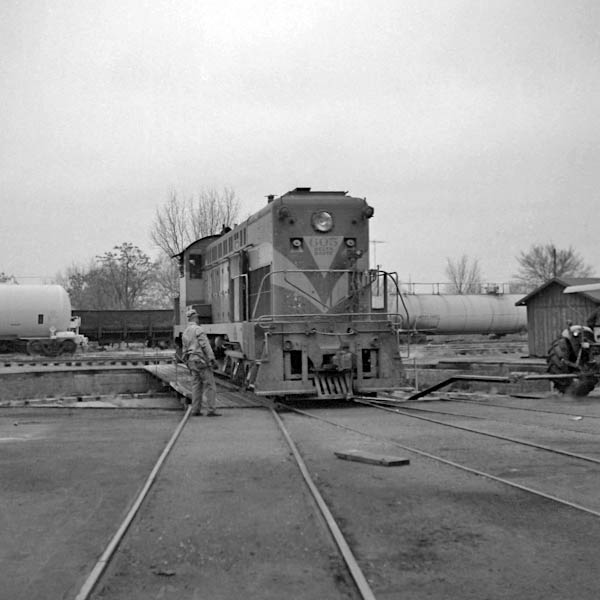
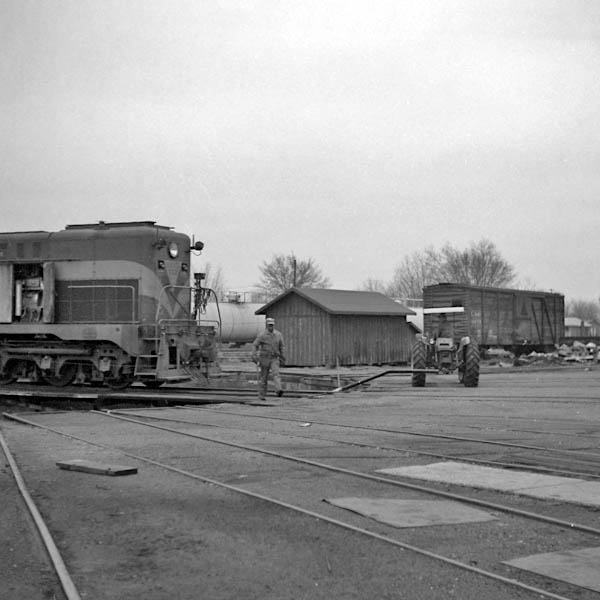
Adjacent to the Columbus roundhouse is an 80-foot long "Armstrong" turntable for rotating locomotives and equipment, "Armstrong" referring to the lack of electrical-mechanical equipment for turning the span and its passenger. Throughout the steam era, the table was turned by hand by shop personnel. In the diesel era, a tractor has been used for turning power.
from The Delta Route: A History of the C&G Railway
/ collection
Ten-wheeler #216 rides the turntable / Mar 1944 / collection
Sep 1969 / JCH
Jun 1970 / JCH
Jun 1970 / JCH
Dec 1970 / JCH
Dec 1970 / JCH
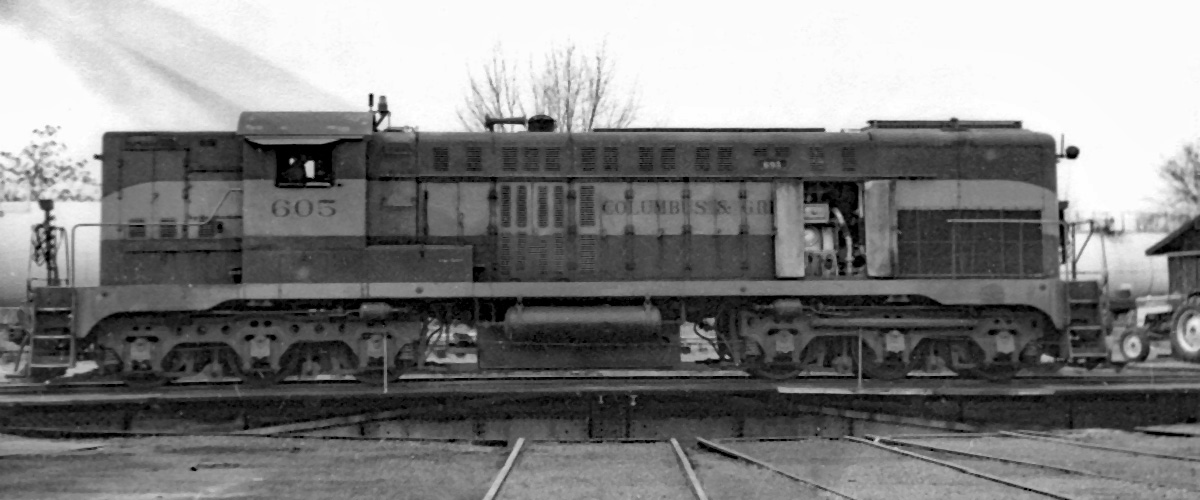
Dec 1970 / JCH
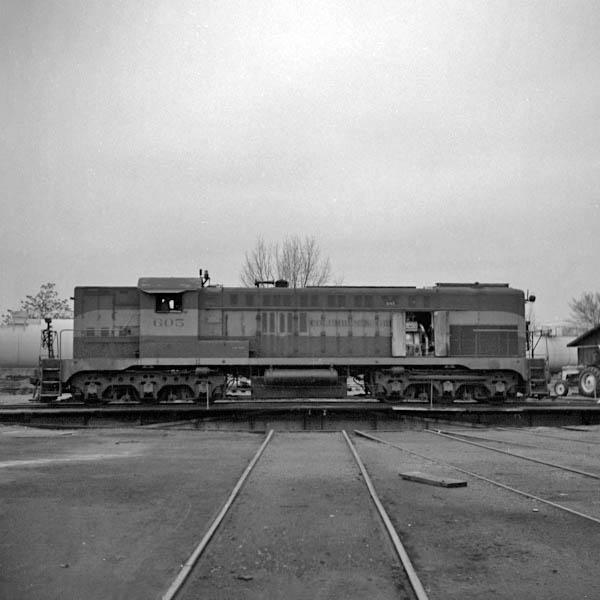
Dec 1970 / JCH
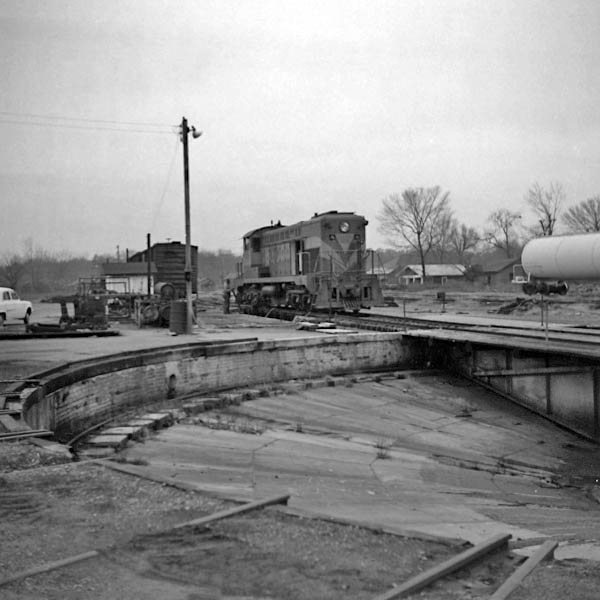
Dec 1970 / JCH
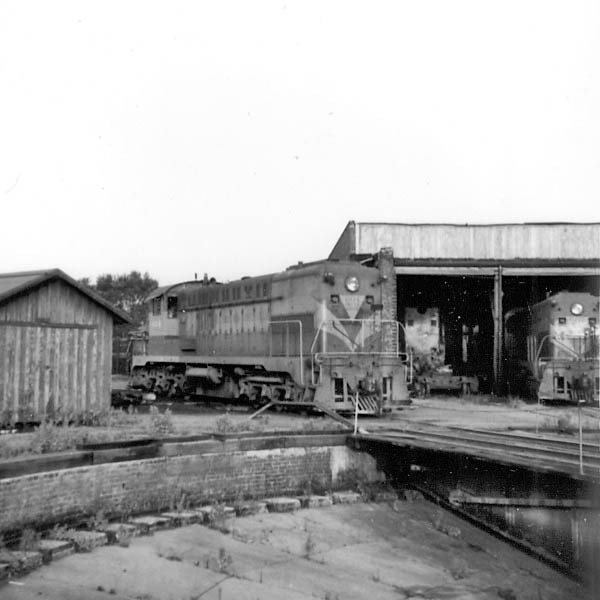
1971 / JCH
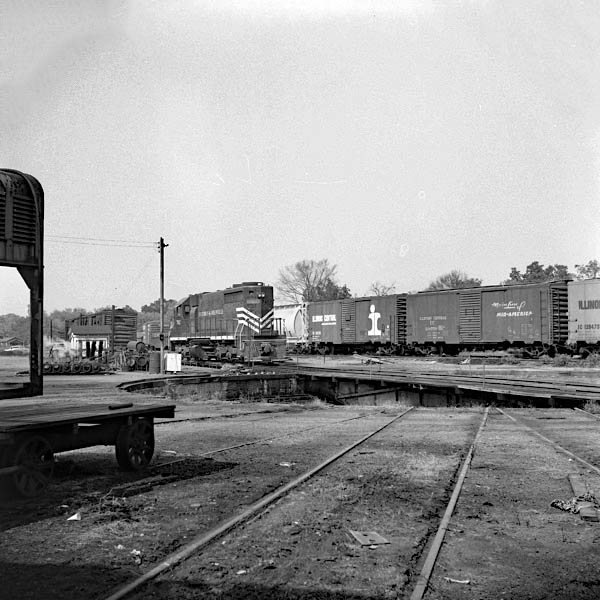
Oct 1972 / JCH
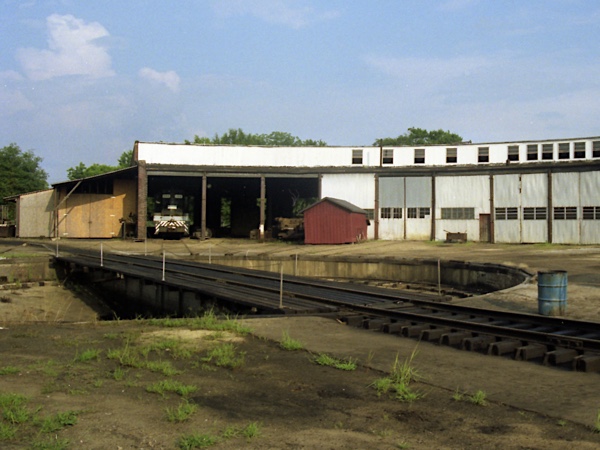
Jul 1989 / RWH
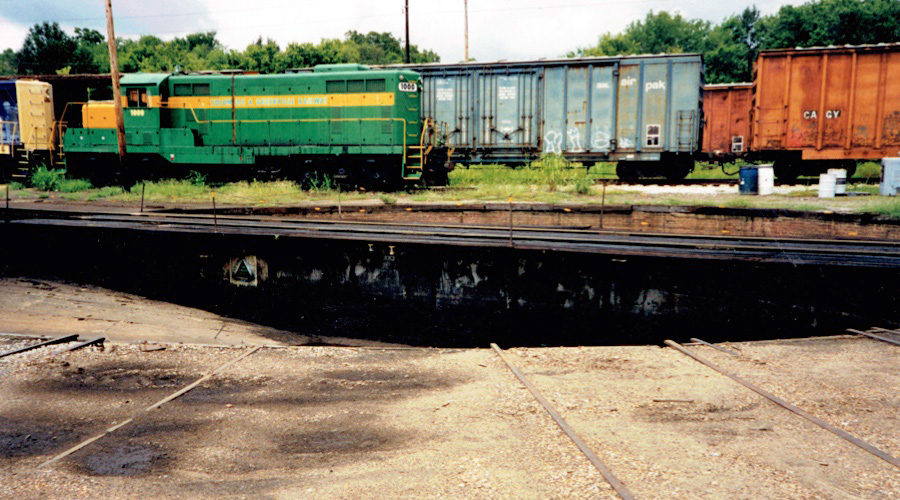
May 2000 / JCH
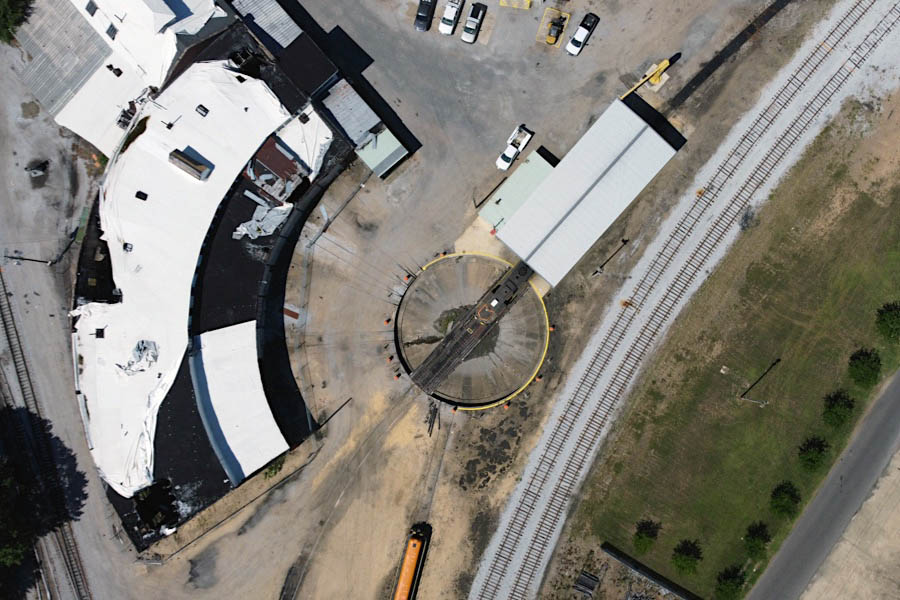
Jun 2020 / RWH
Jun 2020 / RWH
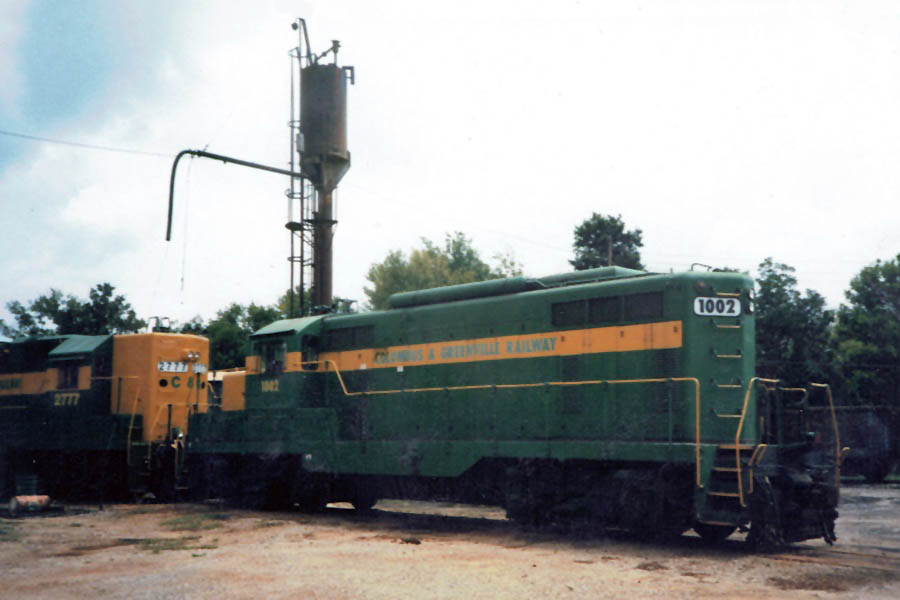
Servicing Area
from  magazine
[Sep 1958] / collection
Sep 1969 / JCH
Sep 1969 / JCH
Dec 1970 / JCH
Sep 1986 / JCH
Columbus, Ms / Oct 1987 / Gerhard Anderson
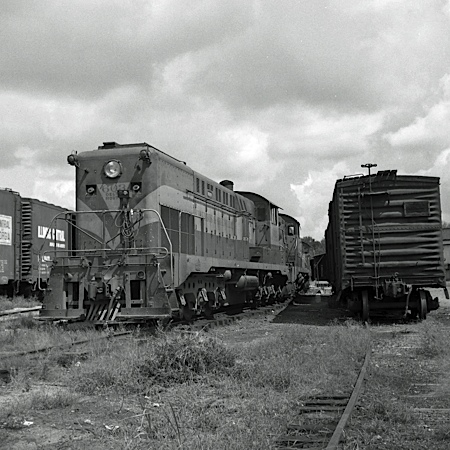
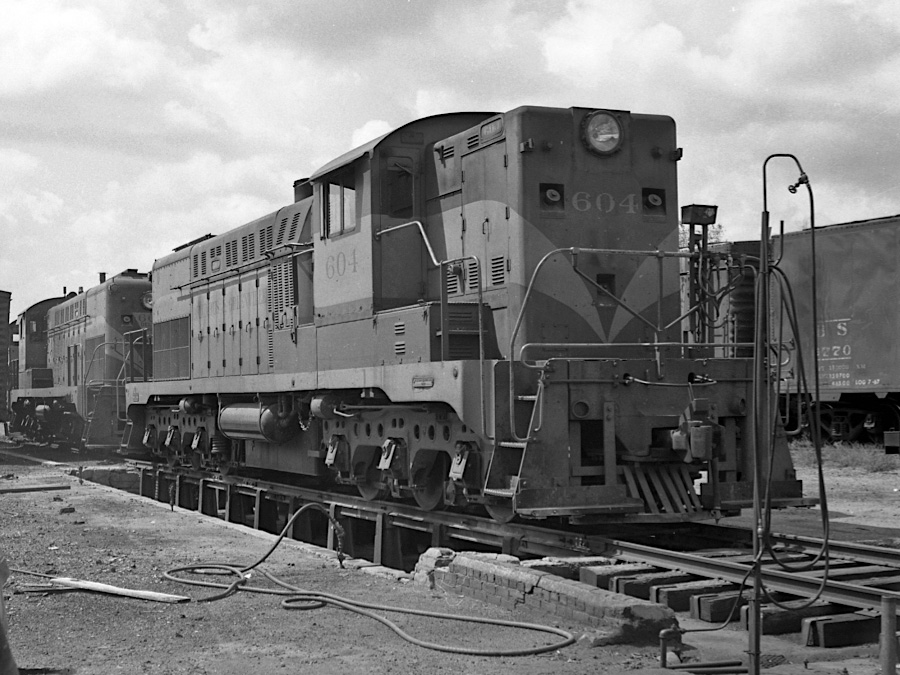
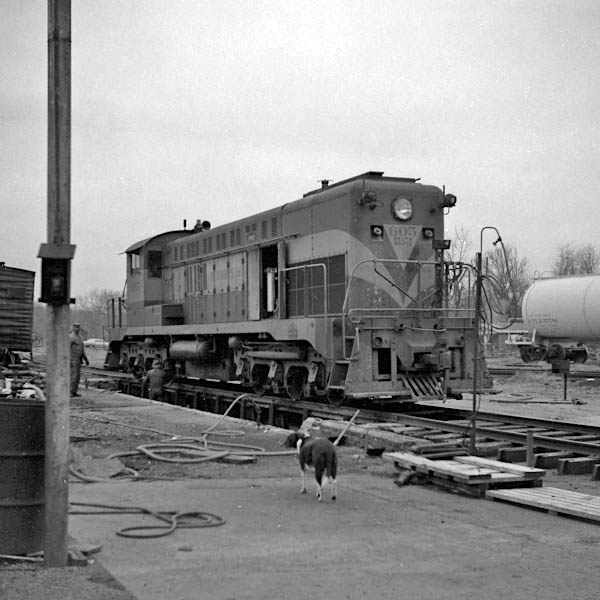
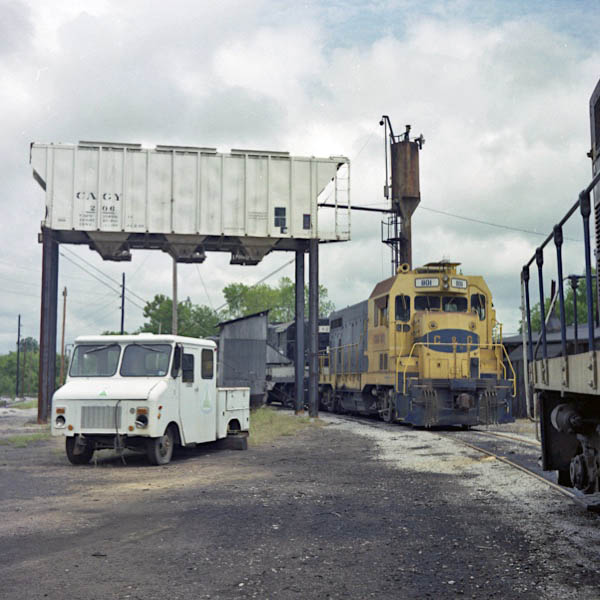
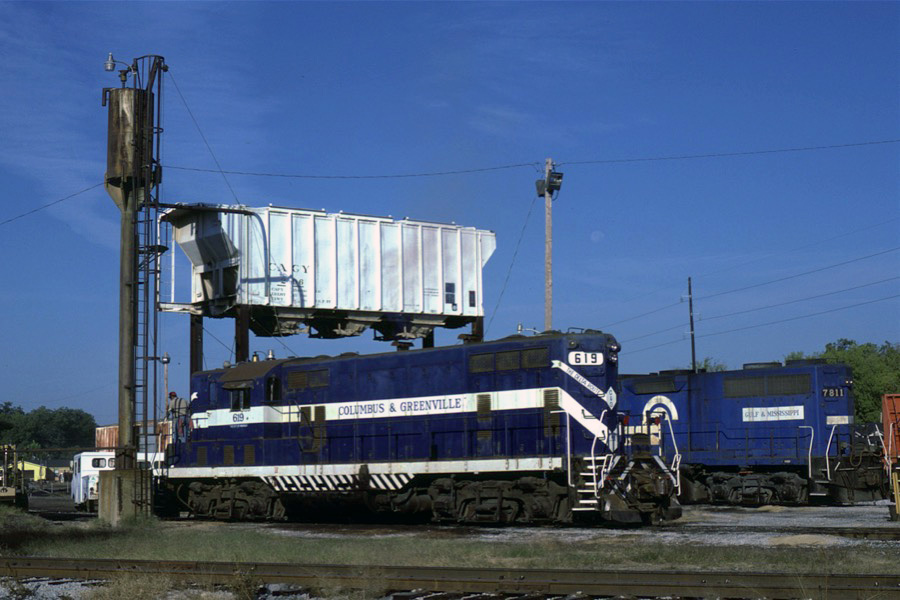
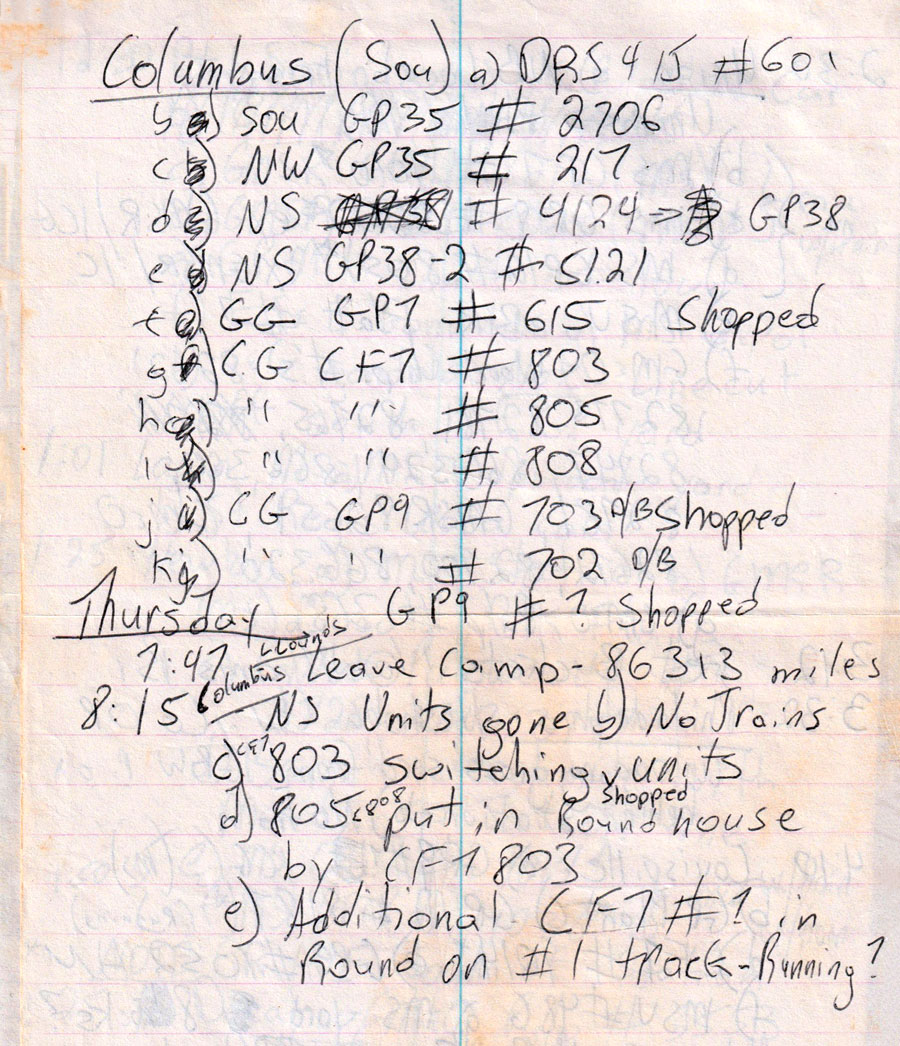
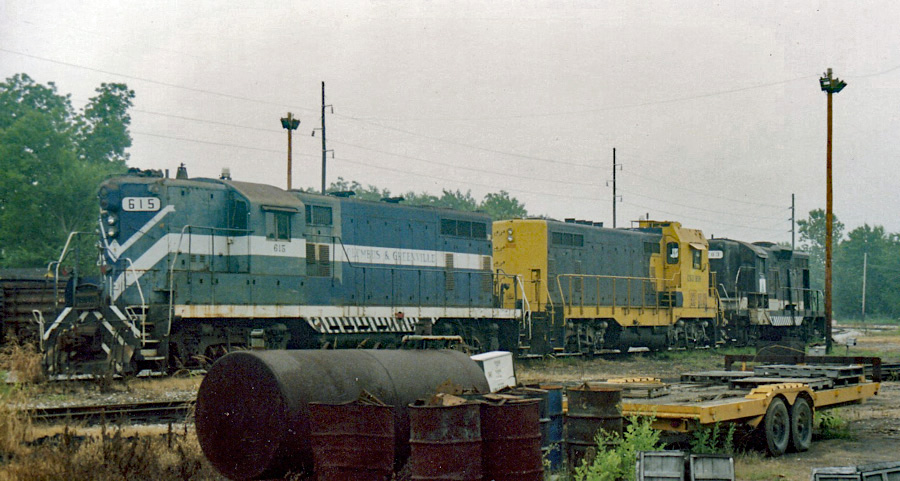
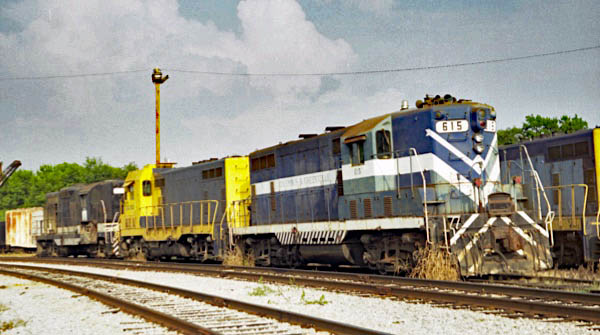
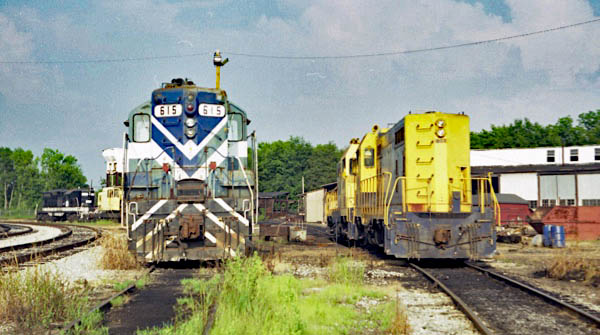
Every time I visited Columbus in the late 1960s and early 1970s, and there were always a handful of Baldwins in the roundhouse or servicing area, and Queen the roundhouse dog was poking around ... it always felt like home to me.
Jul 1989
Columbus, Ms / Jul 1989 / RWH
Columbus, Ms / Jul 1989 / JCH
Columbus, Ms / Jul 1989 / JCH
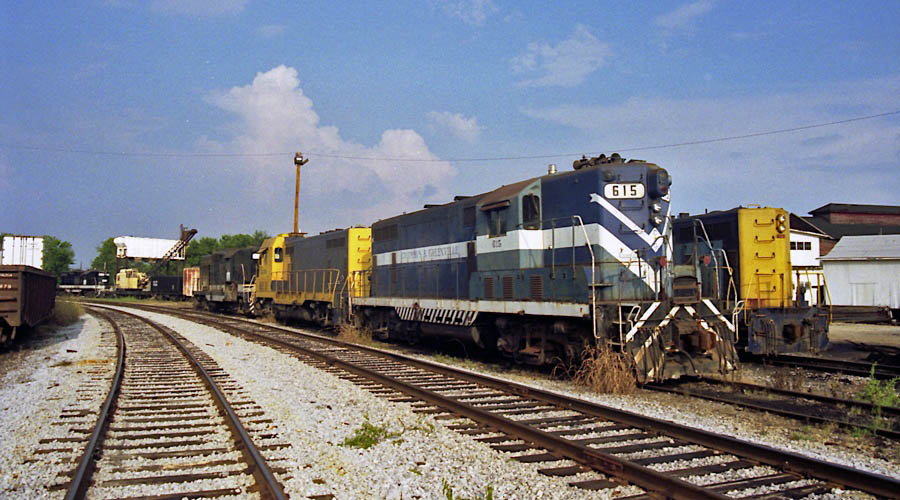
Columbus, Ms / Jul 1989 / RWH
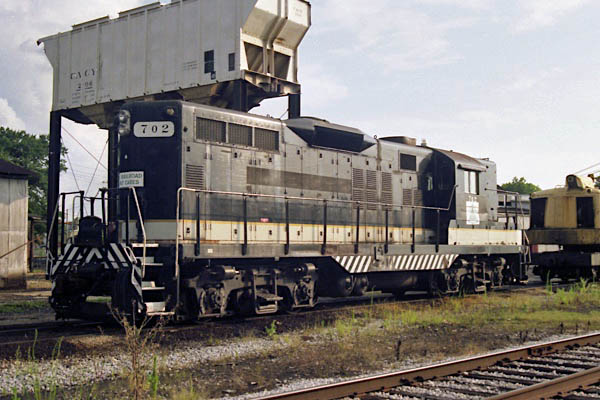
Jul 1989 / RWH
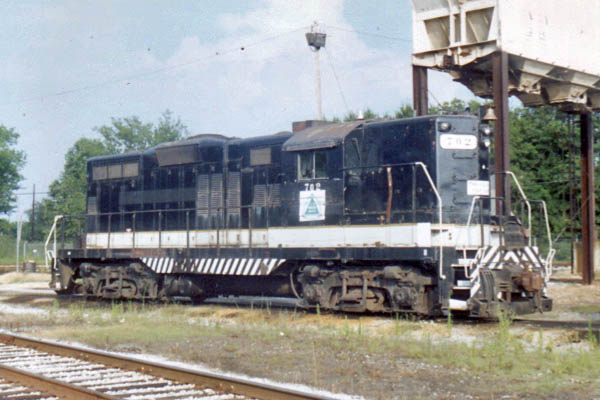
Jul 1989 / RWH
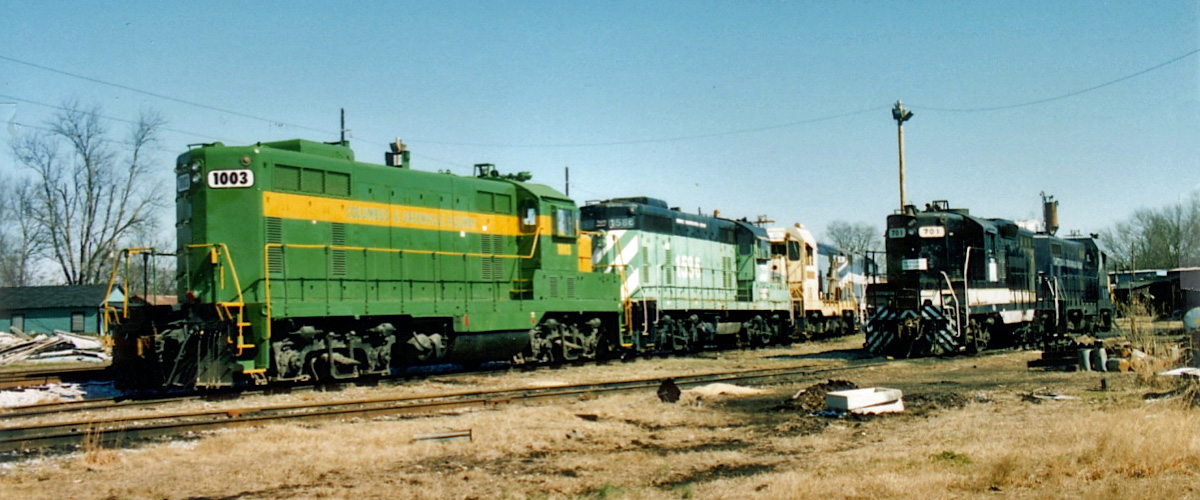
Columbus, Ms / 1995 / JCH
Columbus, Ms / May 2000 / JCH
Columbus, Ms / Jun 2020 / RWH
Columbus, Ms / Jun 2020 / RWH
Columbus, Ms / Jun 2020 / RWH
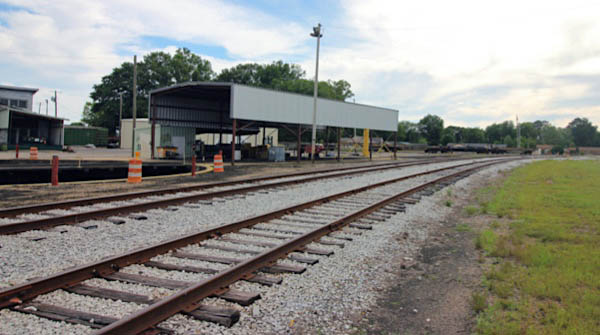
Columbus, Ms / Jun 2020 / RWH
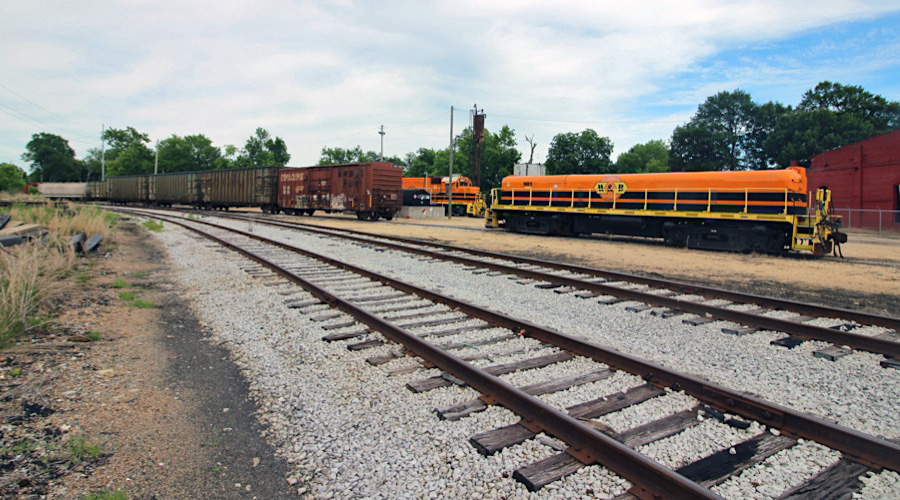
Columbus, Ms / Jun 2020 / RWH
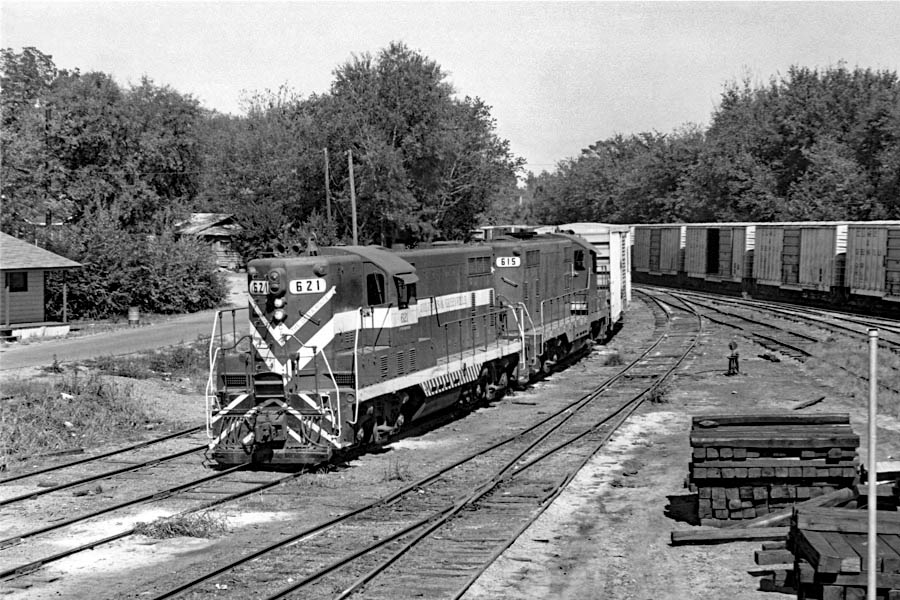
Columbus, Ms / 1980 / Louis Saillard 
 Harbor Rail Services
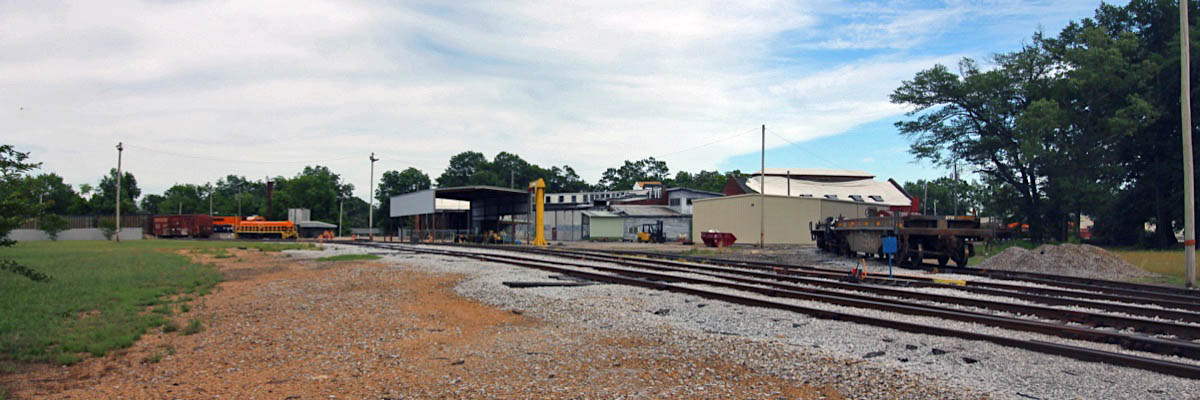
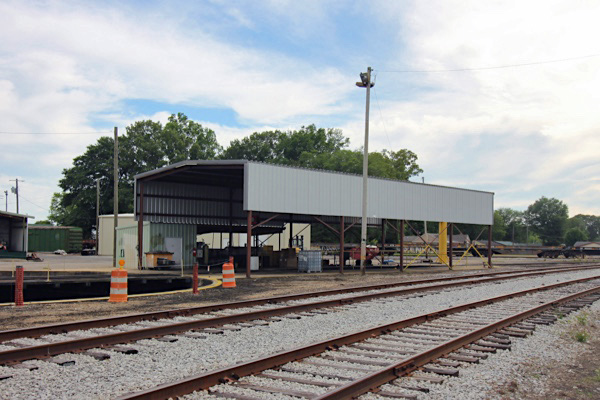
 Harbor Rail Services Company provides contract support services to railroads, with locations all over the country. In Columbus, Harbor provides car repair support to the Columbus & Greenville, inspecting and repairing rolling stock at a small facility near the roundhouse.
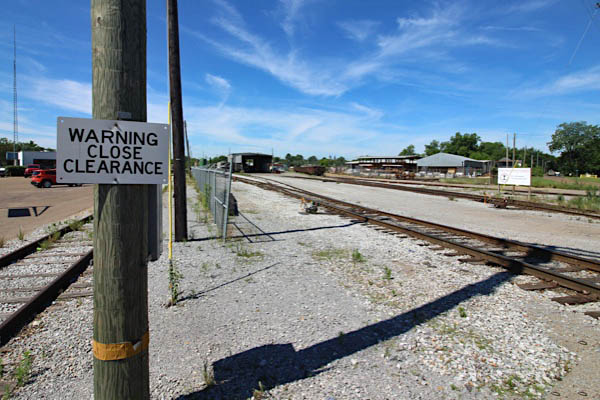
Columbus, Ms / Jun 2020 / RWH
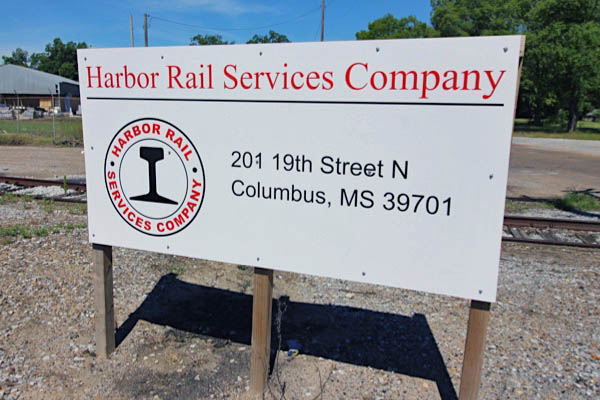
Jun 2020 / RWH
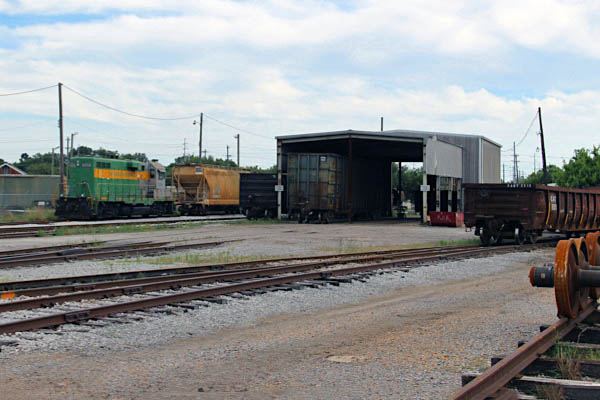
Columbus, Ms / Jun 2020 / RWH
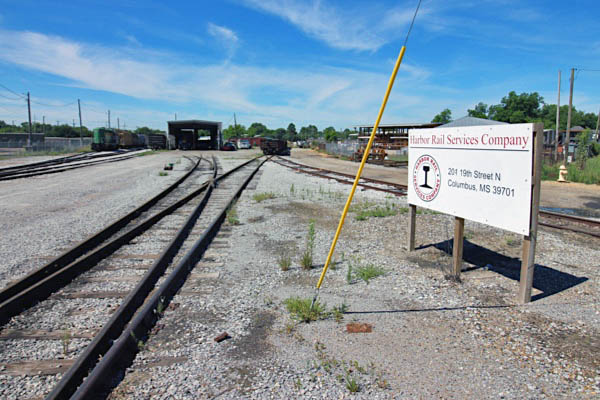
Columbus, Ms / Jun 2020 / RWH
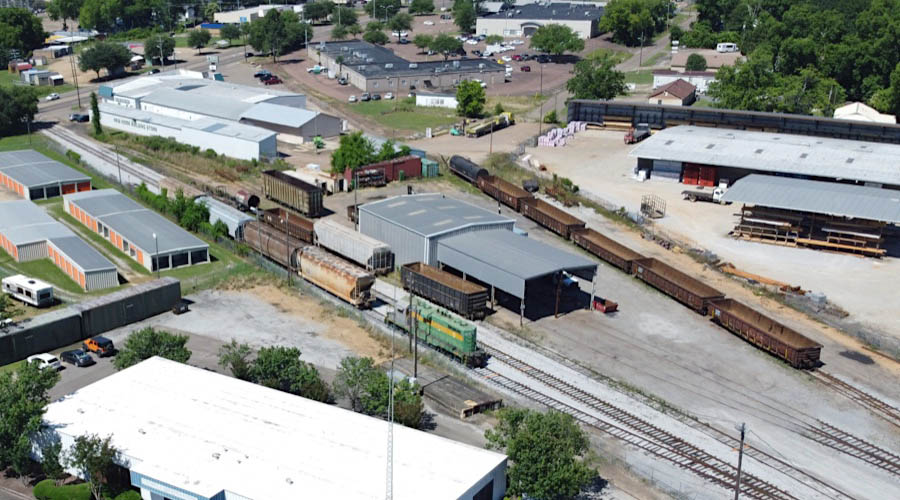
Columbus, Ms / Jun 2020 / RWH
Propst Park
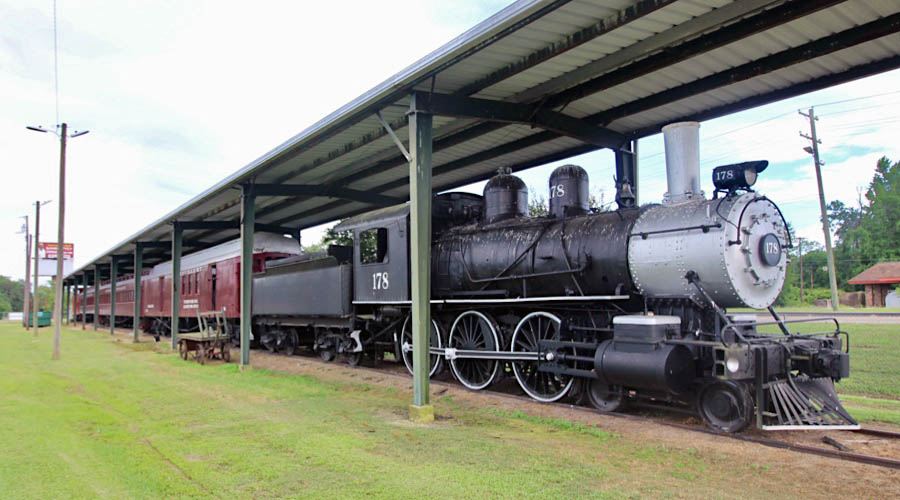
Columbus, Ms / Jun 2020 / RWH
See our complete Propst Park scrapbook for pictures of #178 and display train
Control Point 'C&G Junction'
The southwestern leg of the wye around the Columbus & Greenville roundhouse leads to the former Mobile & Ohio interchange point. Here the C&G connected to the M&O's mainline between Tuscaloosa, Alabama, and Artesia, Mississippi. This east-west route would later go to the Gulf, Mobile & Ohio, then Illinois Central Gulf, then Gulf & Mississippi (later MidSouth), and is now a part of the Kansas City Southern system. In 1983 the C&G shifted their own mainline traffic from the original Georgia Pacific route through Waverly (see below) to this route, sending their trains west to Artesia then north to West Point before returning to the original C&G mainline west of West Point. Today the junction in south Columbus is known on the KCS as Control Point "C&G Junction."
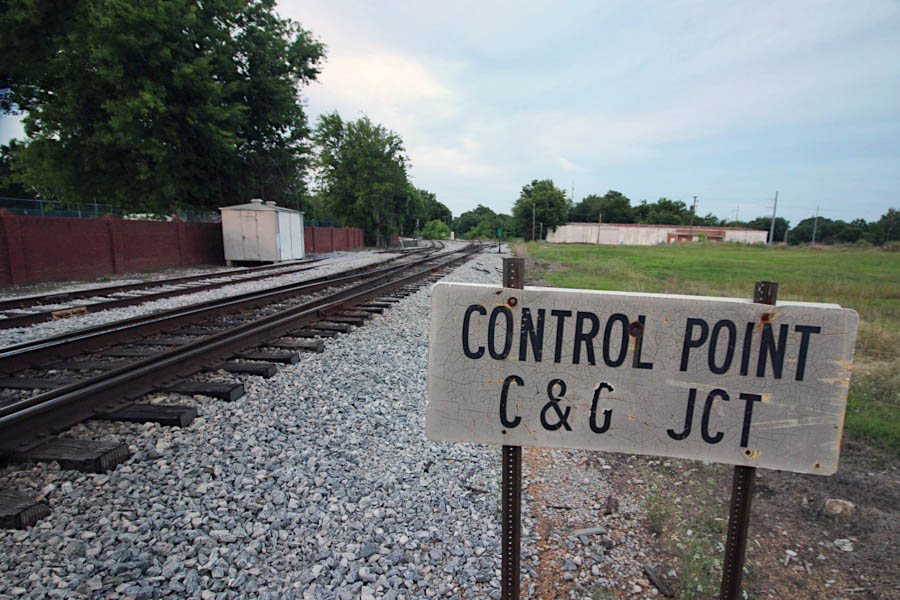
Columbus, Ms / Jun 2020 / RWH
Click to see the C&G Junction Control Point area plotted on a Google Maps page
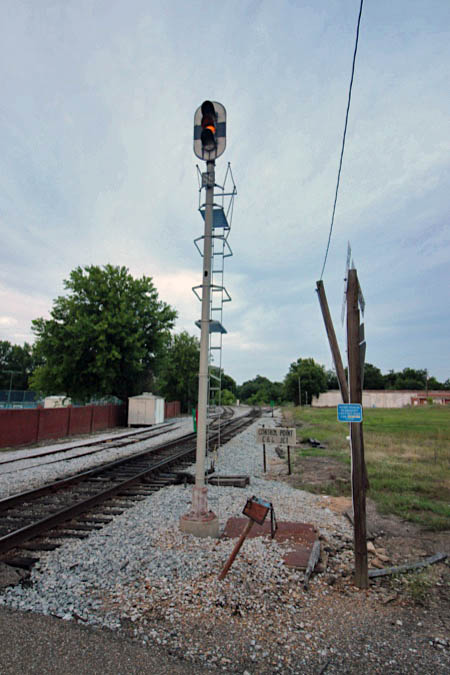
Jun 2020 / RWH
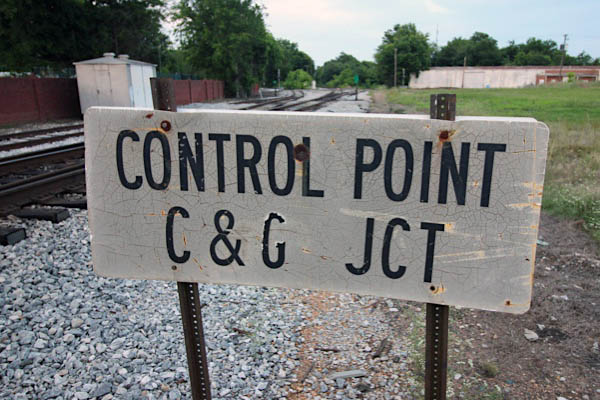
Columbus, Ms / Jun 2020 / RWH
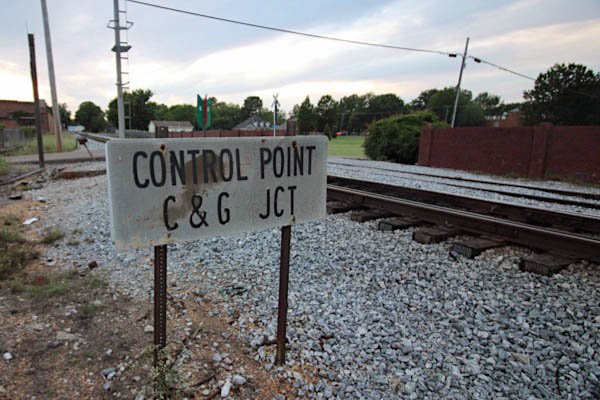
Columbus, Ms / Jun 2020 / RWH
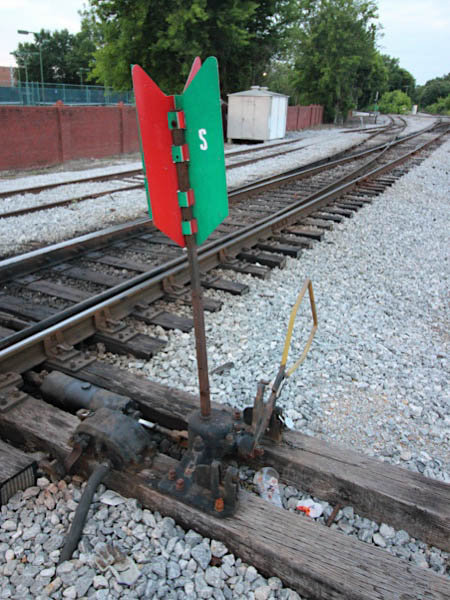
Jun 2020 / RWH
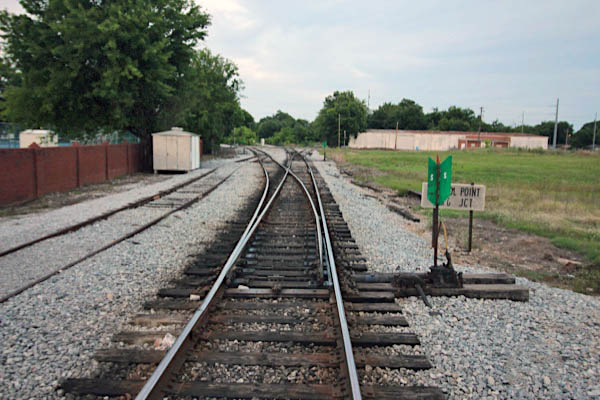
Columbus, Ms / Jun 2020 / RWH
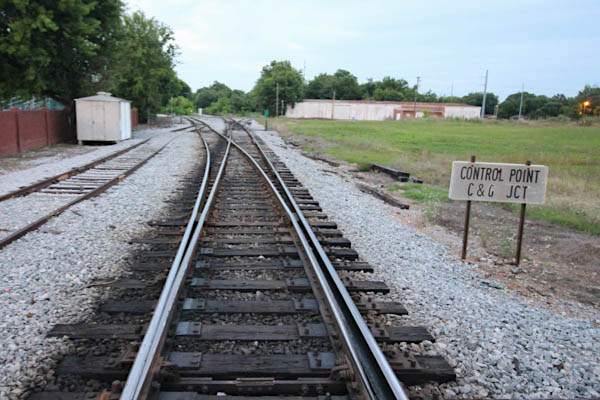
Columbus, Ms / Jun 2020 / RWH
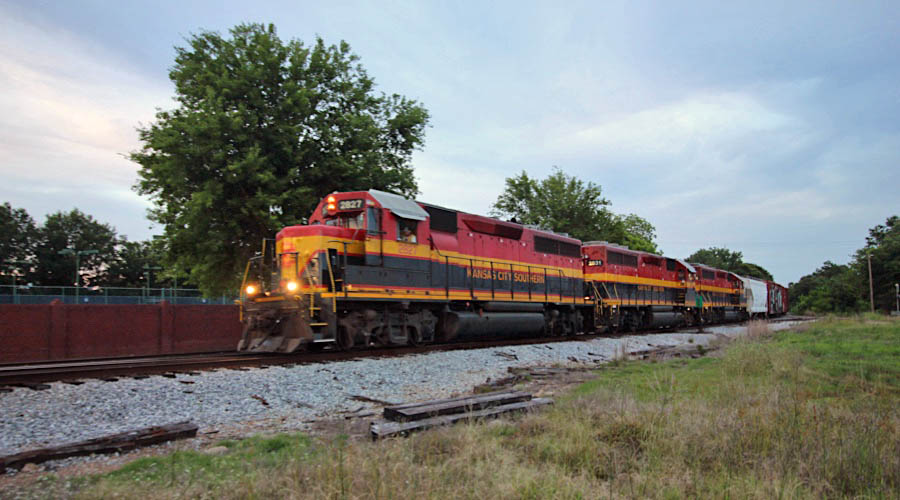
Columbus, Ms / Jun 2020 / RWH
West Columbus
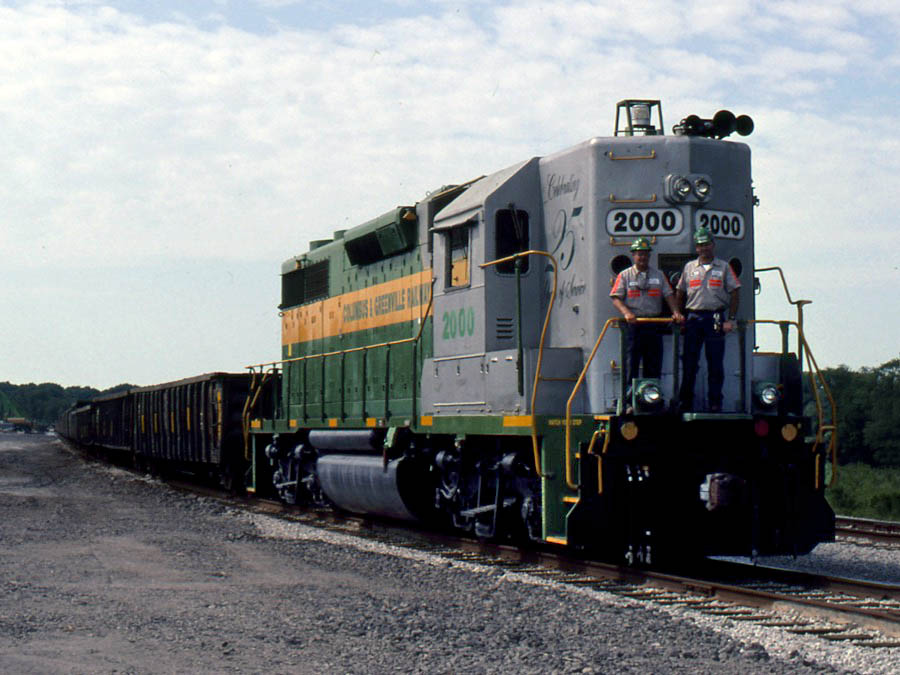
Columbus, Ms / Jun 2007 / Louis Saillard
Old Mainline
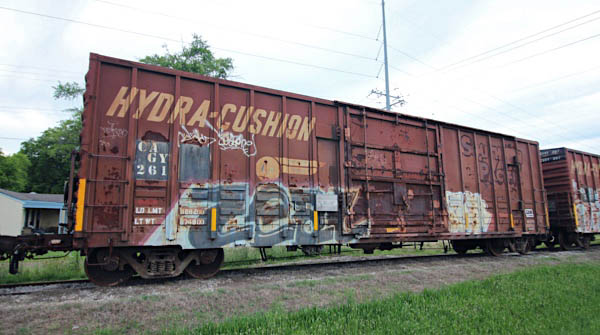
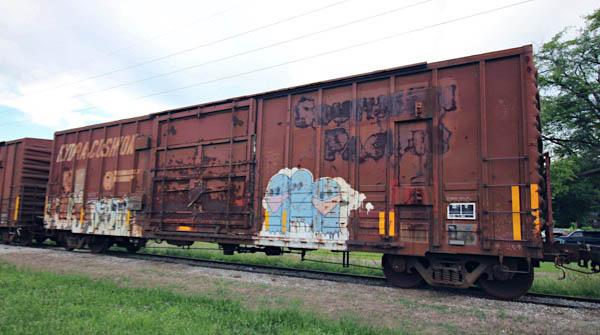
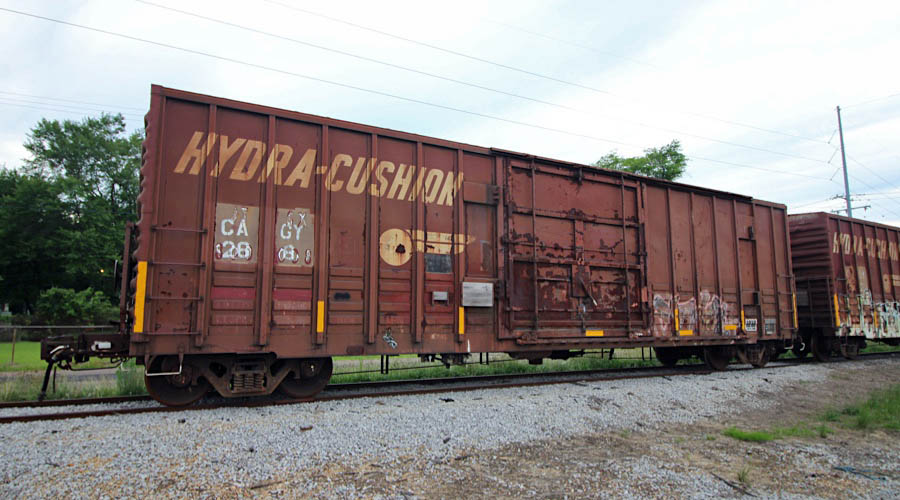
The original mainline of the Columbus & Greenville began with the western leg of the wye around the roundhouse facility. A portion of the line still exists, turning north from the wye and paralleling Railroad Street until dead-ending just south of Military Road (just south of U.S. 82). This segment remains in service to switch Columbus Brick Company, shown below. After Military Road, the former mainline turned to the northwest, paralleling part of Bluecutt Road before crossing Moore Creek. Remains of the defunct Moore Creek trestle are shown below. Form here, the former mainline crossed U.S. 45 and made a straight northwesterly approach to the Tombigbee River bridge and on to the town of Waverly. The bridge was removed in 1983 as a part of the Tennessee-Tombigbee River widening project.
 Shipper Spotlight: Columbus Brick Company
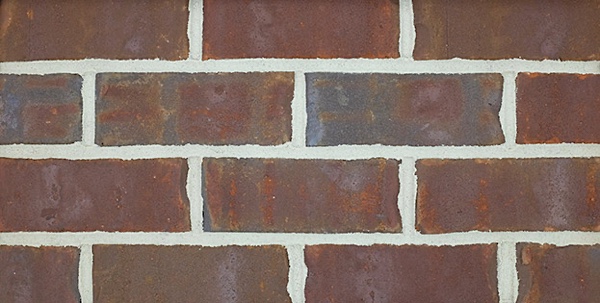 Columbus Brick Company has a long history of making quality brick since 1890. We are located in Columbus Mississippi and distribute brick in more than eighteen states. Columbus Brick Company makes over 40 different types of face brick and many different shapes.
Columbus Brick Company first opened its doors in northern Mississippi over a hundred years ago. It was a time when bricks were made by hand, formed in wooden molds, and hardened by firing them with coal. Mule, rail car, and steamboat were the methods of transport and thousands of brick were unloaded by hand everyday.
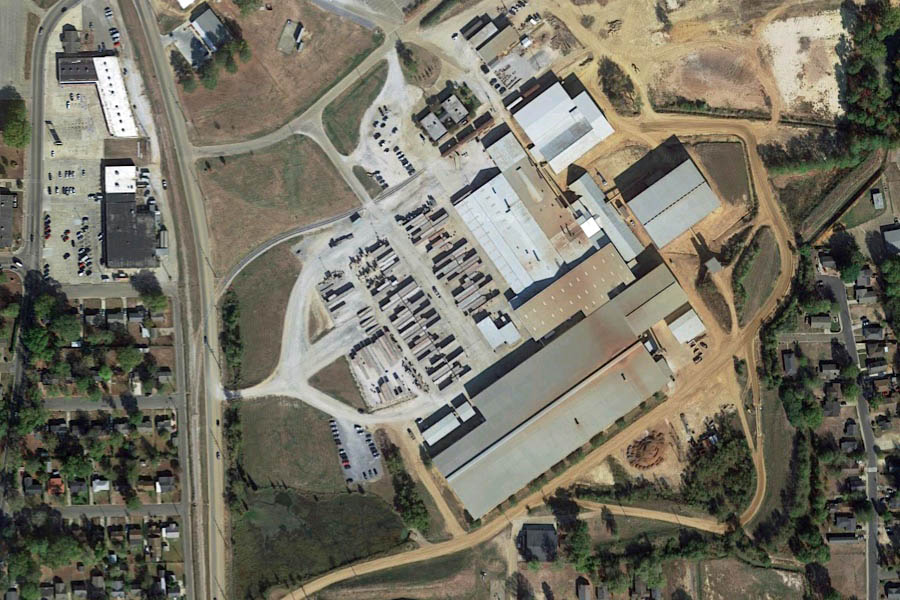
Columbus Brick Company overhead / Google Maps
Click to see Columbus Brick Company plotted on a Google Maps page
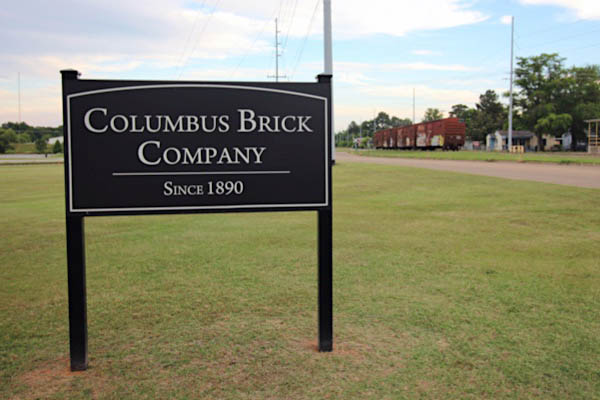
Columbus, Ms / Jun 2020 / RWH
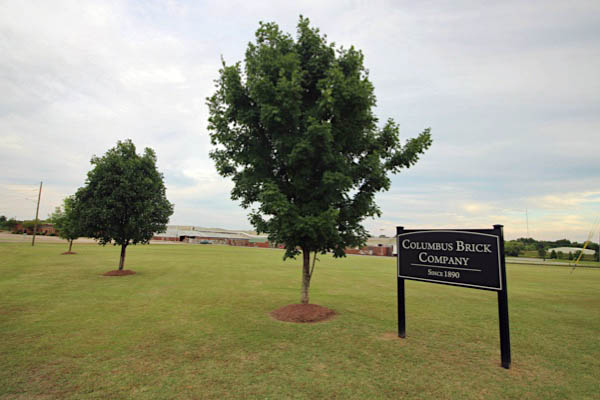
Columbus, Ms / Jun 2020 / RWH
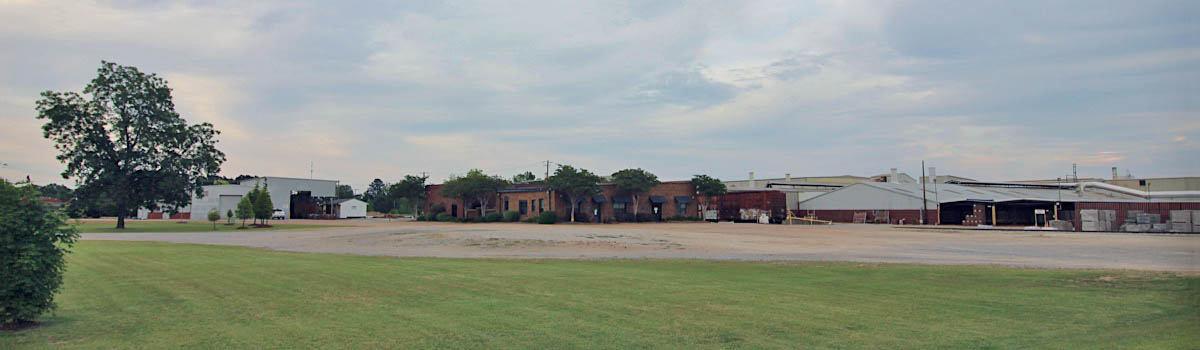
Columbus, Ms / Jun 2020 / RWH
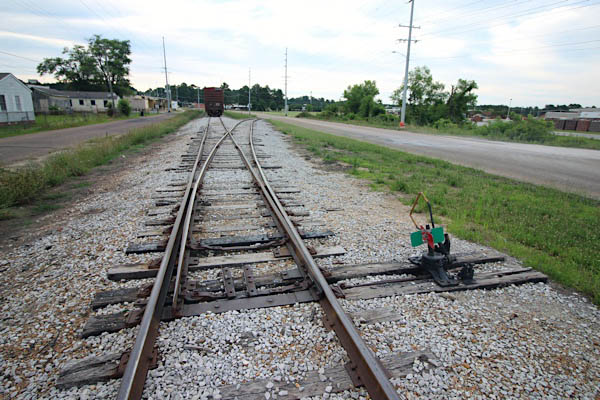
Columbus, Ms / Jun 2020 / RWH
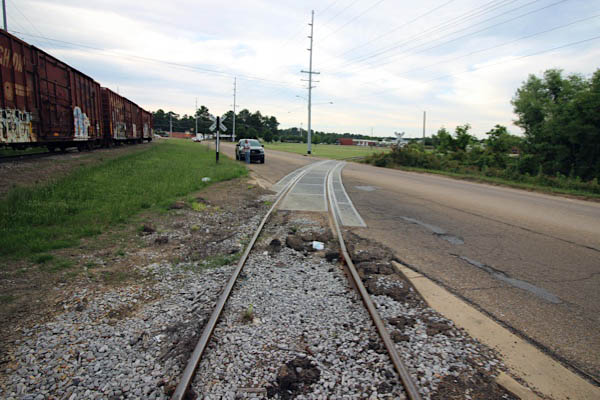
Columbus, Ms / Jun 2020 / RWH
Columbus, Ms / Jun 2020 / RWH
Columbus, Ms / Jun 2020 / RWH
Columbus, Ms / Jun 2020 / RWH
End of the Old Mainline
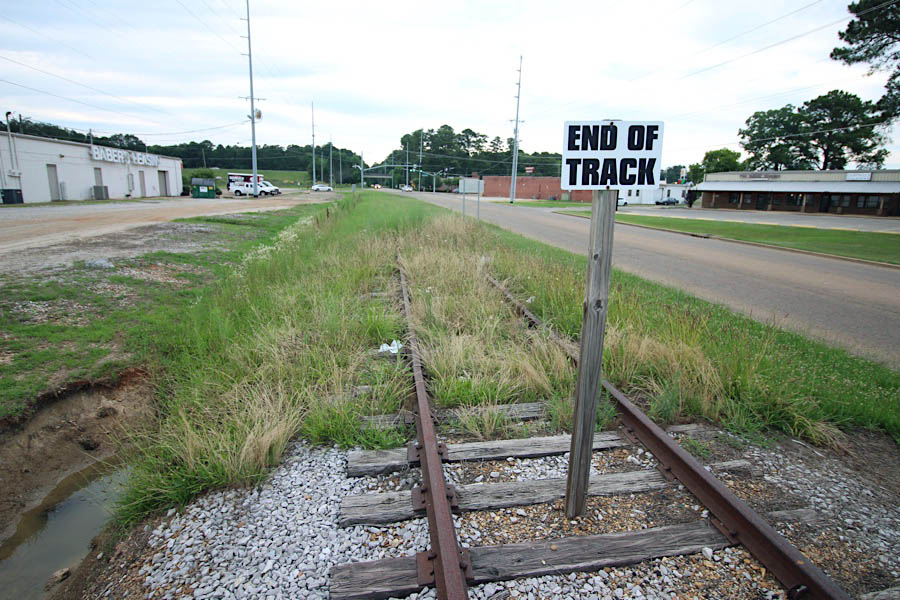
looking north / Columbus, Ms / Jun 2020 / RWH
Click to see this location plotted on a Google Maps page
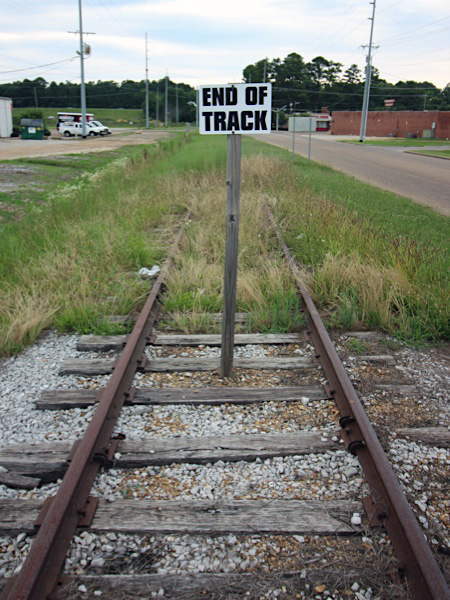
looking north / Jun 2020 / RWH
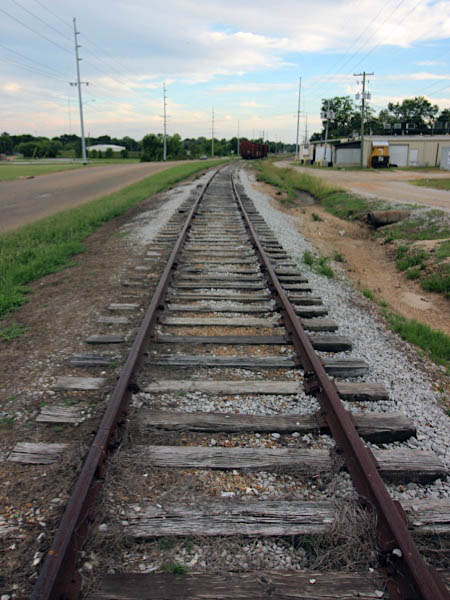
looking south / Jun 2020 / RWH
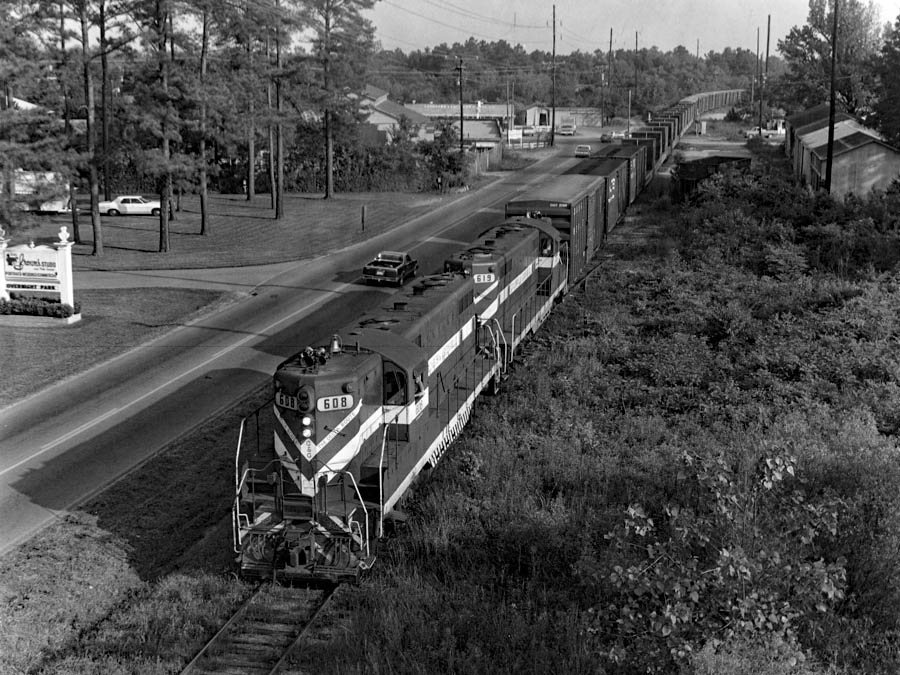
Columbus, Ms / 1980 / Louis Saillard
Moores Creek
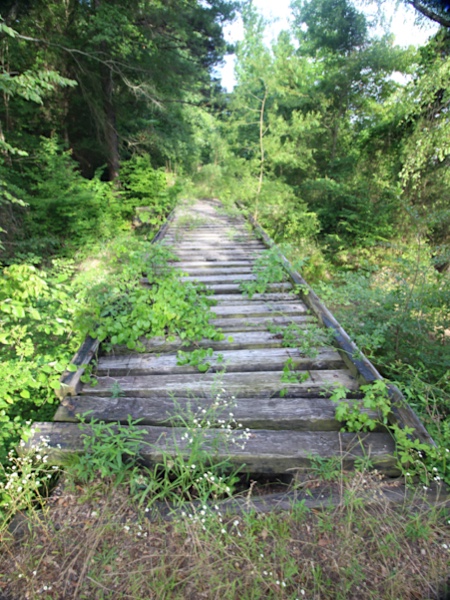
Jun 2020 / RWH
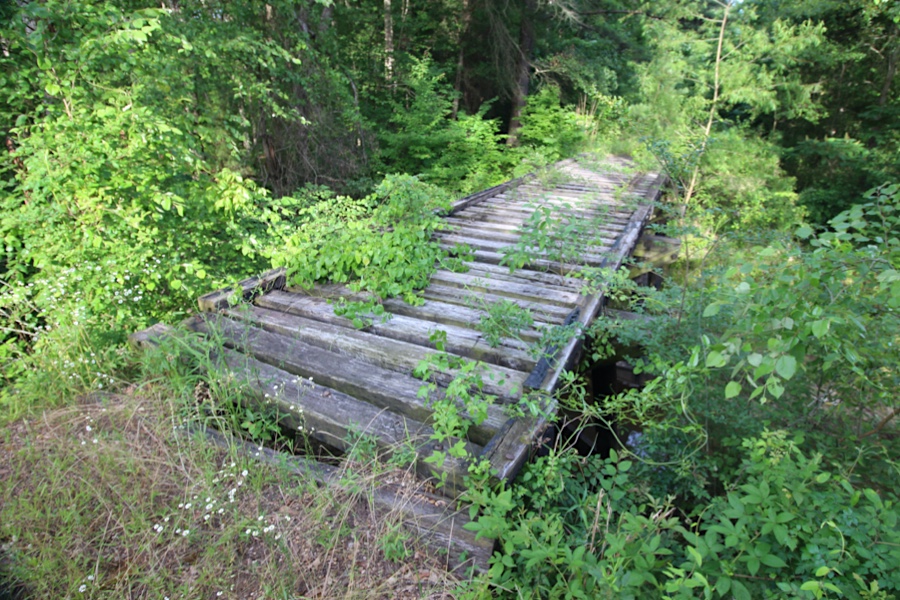
Columbus, Ms / Jun 2020 / RWH
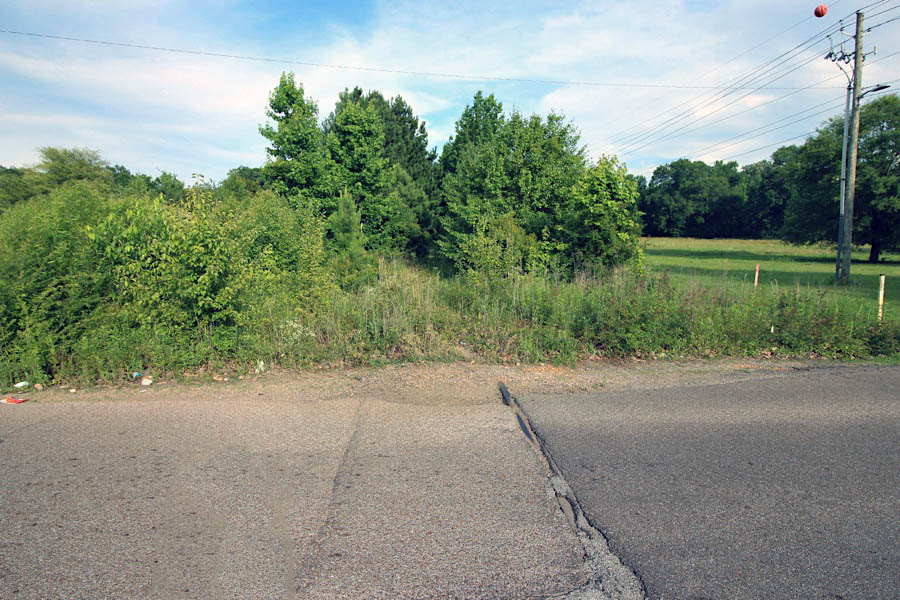
Columbus, Ms / Jun 2020 / RWH
Click to see the former Leigh Drive crossing plotted on a Google Maps page
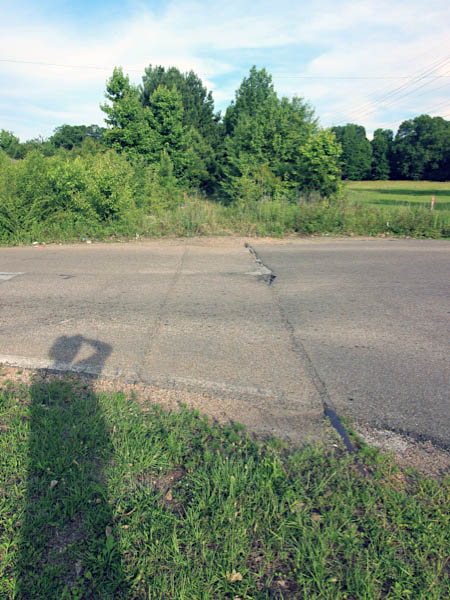
Jun 2020 / RWH
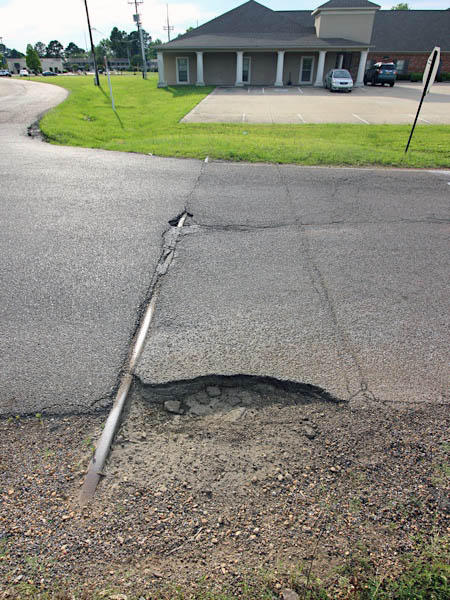
Jun 2020 / RWH
U.S. 45 crossing
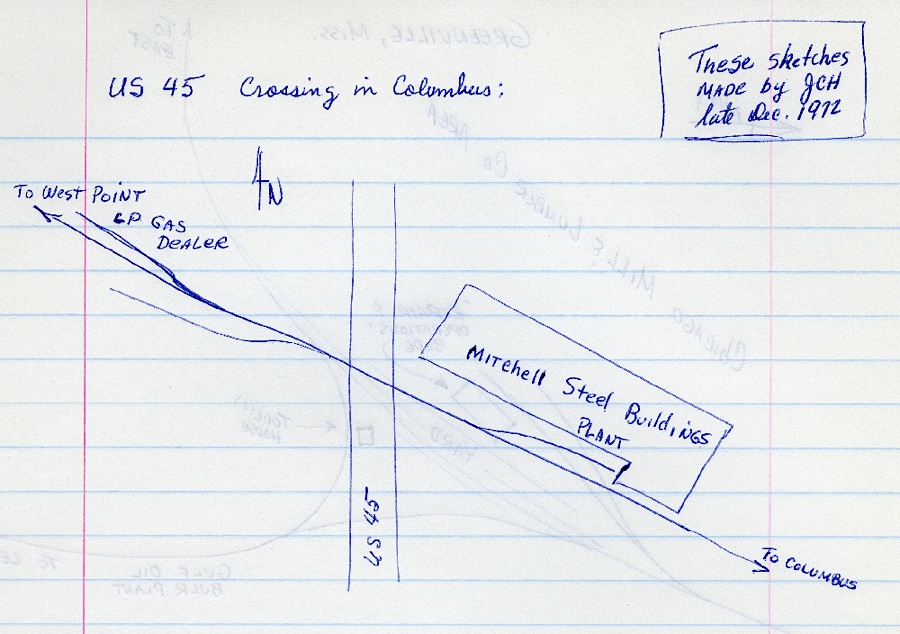
notes on US 45 crossing / Dec 1972 / JCH
Click to see the former US 45 crossing plotted on a Google Maps page
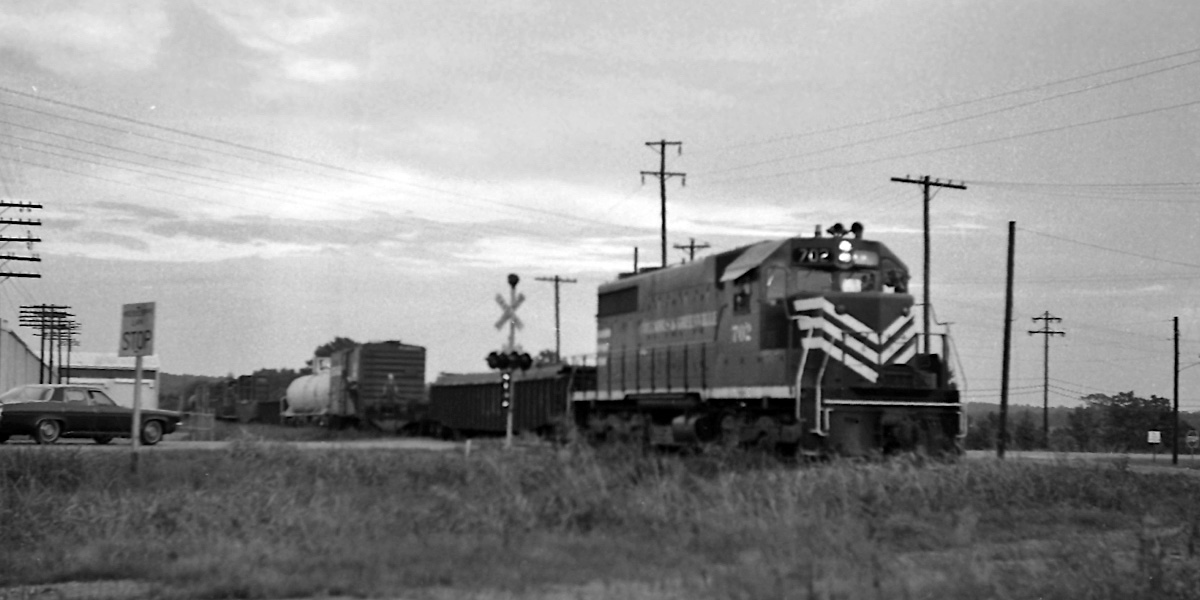
Train #51 crossing US 45 / Columbus, Ms / Jul 1971 / JCH
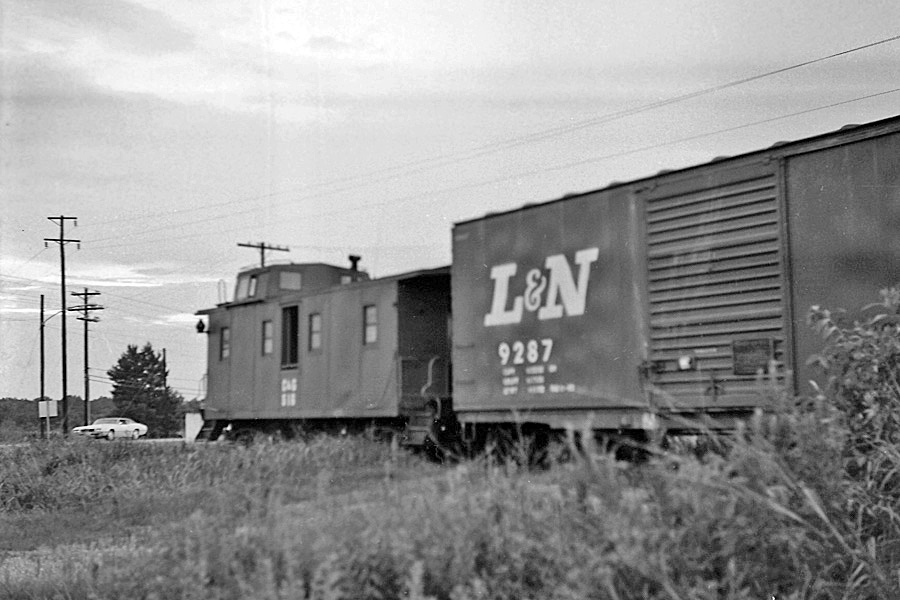
Columbus, Ms / Jul 1971 / JCH
Tombigbee River
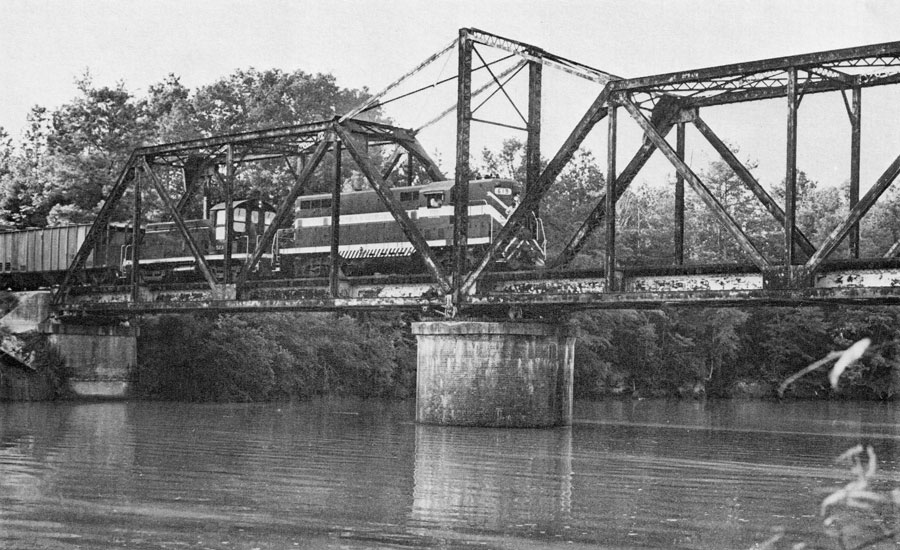
from The Delta Route: A History of the Columbus & Greenville Railway
/ collection
See next our Eastern Towns scrapbook to continue along the Delta Route line